

When your partner has ED: what the research says actually helps (and what makes it worse)
Summary
Summary: ED is a couple's condition — 79% of women have experienced a partner losing his erection, communication collapses in 71% of affected couples, and partners of men with ED are measurably more likely to develop sexual difficulties of their own. The research-backed playbook: it is almost never about you, blame is the single most damaging response, joint doctor visits work, and therapists' most reliable tool — sensate focus — is designed for two.
Reviewed by the Kam4eu Pharmacy Team on 29 July 2026 · Next review June 2027
Erectile dysfunction is diagnosed in one body but lived in two. A Journal of Sexual Medicine survey found 79% of women have experienced a partner losing his erection during sex — and 39% felt undesirable when it happened, though the overwhelming majority correctly suspected it had nothing to do with them. Meanwhile 71% of couples report communication declining after ED begins, and fewer than a third of urologists ever involve the partner in treatment. This guide is for the other person in the room.
First, the fact that changes everything: it's (almost) never about you
The evidence on causes is consistent: ED is overwhelmingly driven by vascular health, anxiety, medication side effects, alcohol, fatigue and stress — the full list. Attraction is rarely the driver, especially when desire is visibly present but the body doesn't cooperate. Yet 39% of women report feeling undesirable, and 14.7% have actually been blamed — and the blamed group showed measurably worse self-confidence and higher anxiety. Absorbing a partner's medical problem as your own inadequacy is the most common and most corrosive mistake couples make.
What the research says harms
Three responses reliably make ED worse. Blame or visible disappointment — it converts a physical stumble into performance anxiety, the self-sustaining loop (how the loop works). Pretending it didn't happen — the silence is louder; 71% of couples' communication decays exactly this way. Pressure to 'just fix it' — ultimatums drive men toward anonymous, unsafe purchases rather than doctors (94% of men with ED say they need their partner's support to address it). The kindest accurate framing after a failed attempt: it's common, it's fixable, and tonight doesn't need fixing.
What the research says helps
The expert consensus across 2025–26 clinical guidance: non-blaming 'I' language ('I miss us — can we figure this out together?'), attending the doctor visit together (couples who do report better outcomes; ED is also a health screen worth doing properly — why), and expanding sex beyond penetration while treatment proceeds — couples who keep intimacy alive through the fix report greater closeness afterwards. If he starts medication (the options), treat it neutrally — like glasses for eyes. Matter-of-factness from a partner strips the shame that feeds the problem.
The two-person technique therapists trust most
Sensate focus — the structured-touch method — is explicitly a couples exercise: staged sessions of non-genital, then genital touch with intercourse deliberately off-limits, removing the pass/fail test entirely. AASECT-certified therapist Jonah Taylor calls it the most reliable tool in sex therapy, with one caveat: it works best guided by a professional over ~6 weeks rather than improvised from an article. For couples who can't access therapy, the honest DIY version: scheduled intimacy with intercourse explicitly not the goal, several weeks running. It feels artificial; it works anyway.
Looking after yourself too
The FEMALES study established that partners of men with ED are significantly more likely to develop sexual difficulties of their own — desire fades when every encounter carries tension. So the partner's needs are legitimate clinical territory, not selfishness: keep your own pleasure in the picture (with or without penetration), say what you miss, and if the couple dynamic has calcified, couples therapy has good response rates. ED handled together is routinely survivable — the data's dark numbers come almost entirely from couples who stopped talking.
References & research
- Journal of Sexual Medicine — Female Perceptions of Erectile Dysfunction and the Role of Male Blame
- Fisher WA, et al. — the FEMALES study, Journal of Sexual Medicine
- University of Michigan couples-communication findings (2025 coverage)
- Sensate focus — clinical guidance (Jonah Taylor, LCSW; Masters & Johnson protocol)
General information, not medical advice. Consult a healthcare professional before starting any medication.
Key points to remember
- First, the fact that changes everything: it's (almost) never about you: The evidence on causes is consistent: ED is overwhelmingly driven by vascular health, anxiety, medication side effects, alcohol, fatigue and stress — the full list. Attraction is rarely the driver, especially when desire is visibly present but the body doesn't cooperate.
- What the research says harms: Three responses reliably make ED worse. Blame or visible disappointment — it converts a physical stumble into performance anxiety, the self-sustaining loop (how the loop works).
- What the research says helps: The expert consensus across 2025–26 clinical guidance: non-blaming 'I' language ('I miss us — can we figure this out together?'), attending the doctor visit together (couples who do report better outcomes; ED is also a health screen worth doing properly — why), and expanding sex beyond penetration while treatment proceeds — couples who keep intimacy alive through the fix report greater closeness afterwards. If he starts medication (the options), treat it neutrally — like glasses for eyes.
- The two-person technique therapists trust most: Sensate focus — the structured-touch method — is explicitly a couples exercise: staged sessions of non-genital, then genital touch with intercourse deliberately off-limits, removing the pass/fail test entirely. AASECT-certified therapist Jonah Taylor calls it the most reliable tool in sex therapy, with one caveat: it works best guided by a professional over ~6 weeks rather than improvised from an article.
- Looking after yourself too: The FEMALES study established that partners of men with ED are significantly more likely to develop sexual difficulties of their own — desire fades when every encounter carries tension. So the partner's needs are legitimate clinical territory, not selfishness: keep your own pleasure in the picture (with or without penetration), say what you miss, and if the couple dynamic has calcified, couples therapy has good response rates.
- References & research: - Journal of Sexual Medicine — Female Perceptions of Erectile Dysfunction and the Role of Male Blame
- Fisher WA, et al. — the FEMALES study, Journal of Sexual Medicine
- University of Michigan couples-communication findings (2025 coverage)
- Sensate focus — clinical guidance (Jonah Taylor, LCSW; Masters & Johnson protocol)
*General information, not medical advice.
Common questions
My partner can't stay hard — is it me?
Almost certainly not. ED is overwhelmingly driven by vascular health, anxiety, medications, alcohol and stress. 39% of women feel undesirable when it happens, but the research shows attraction is rarely the cause — and treating it as personal rejection feeds the anxiety loop.
What should I say when it happens?
Low-key reassurance beats analysis in the moment: it's common, it's fixable, tonight doesn't need fixing. Later, non-blaming 'I' language ('can we figure this out together?') opens treatment conversations without shame.
Should I go to the doctor with him?
Yes if he's open to it — couples who attend together report better outcomes, and fewer than a third of urologists otherwise involve partners at all. ED also warrants a general health check, which is easier to encourage than a 'sex problem' visit.
What is sensate focus?
A structured couples technique — staged touch sessions with intercourse deliberately off the table — that removes performance pressure. Therapists rate it the most reliable tool for anxiety-linked ED; it's designed for two, ideally guided over ~6 weeks.
References & further reading
- NHS: Sildenafil (Viagra) — uses, dosage, side effects — official UK guidance on the active ingredient.
- Goldstein I, et al. NEJM 1998 — the pivotal sildenafil trial — lead-authored by Dr. Irwin Goldstein (San Diego Sexual Medicine).
- Phosphodiesterase 5 Inhibitors — StatPearls, NCBI Bookshelf — clinical pharmacology reference.
This article is general information, not medical advice. Always consult a healthcare professional before starting any medication.
Frequently asked questions
My partner can't stay hard — is it me?+
Almost certainly not. ED is overwhelmingly driven by vascular health, anxiety, medications, alcohol and stress. 39% of women feel undesirable when it happens, but the research shows attraction is rarely the cause — and treating it as personal rejection feeds the anxiety loop.
What should I say when it happens?+
Low-key reassurance beats analysis in the moment: it's common, it's fixable, tonight doesn't need fixing. Later, non-blaming 'I' language ('can we figure this out together?') opens treatment conversations without shame.
Should I go to the doctor with him?+
Yes if he's open to it — couples who attend together report better outcomes, and fewer than a third of urologists otherwise involve partners at all. ED also warrants a general health check, which is easier to encourage than a 'sex problem' visit.
What is sensate focus?+
A structured couples technique — staged touch sessions with intercourse deliberately off the table — that removes performance pressure. Therapists rate it the most reliable tool for anxiety-linked ED; it's designed for two, ideally guided over ~6 weeks.
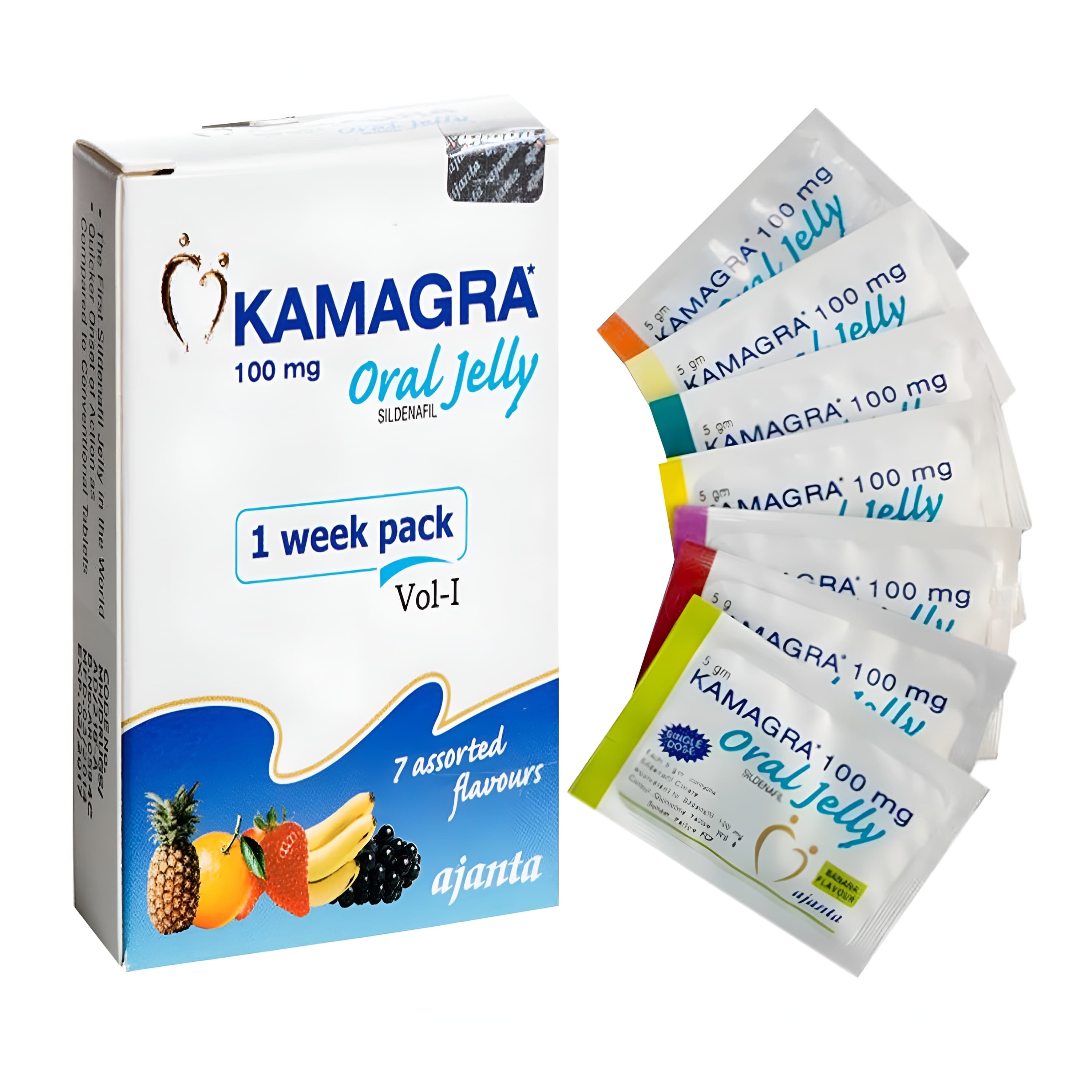
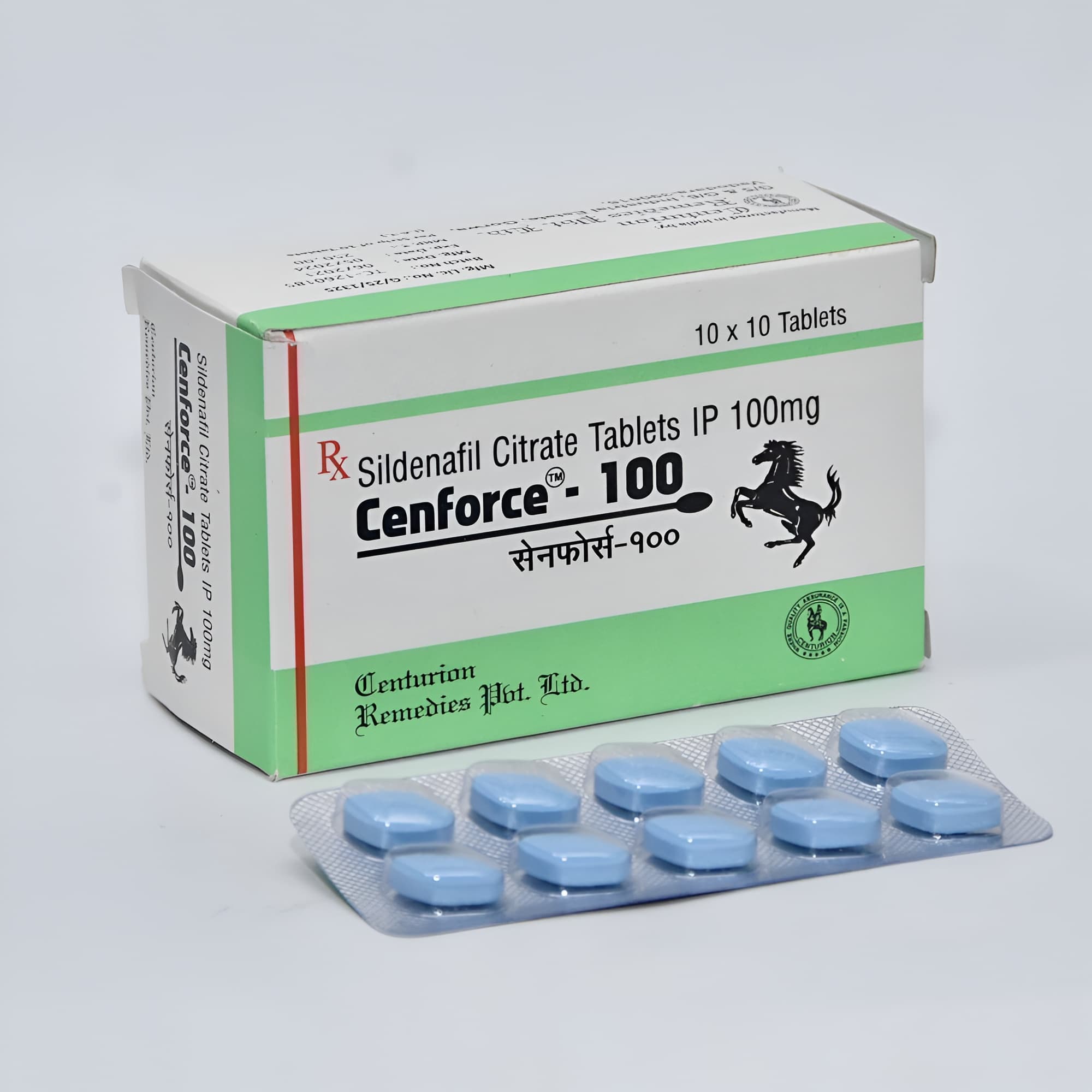
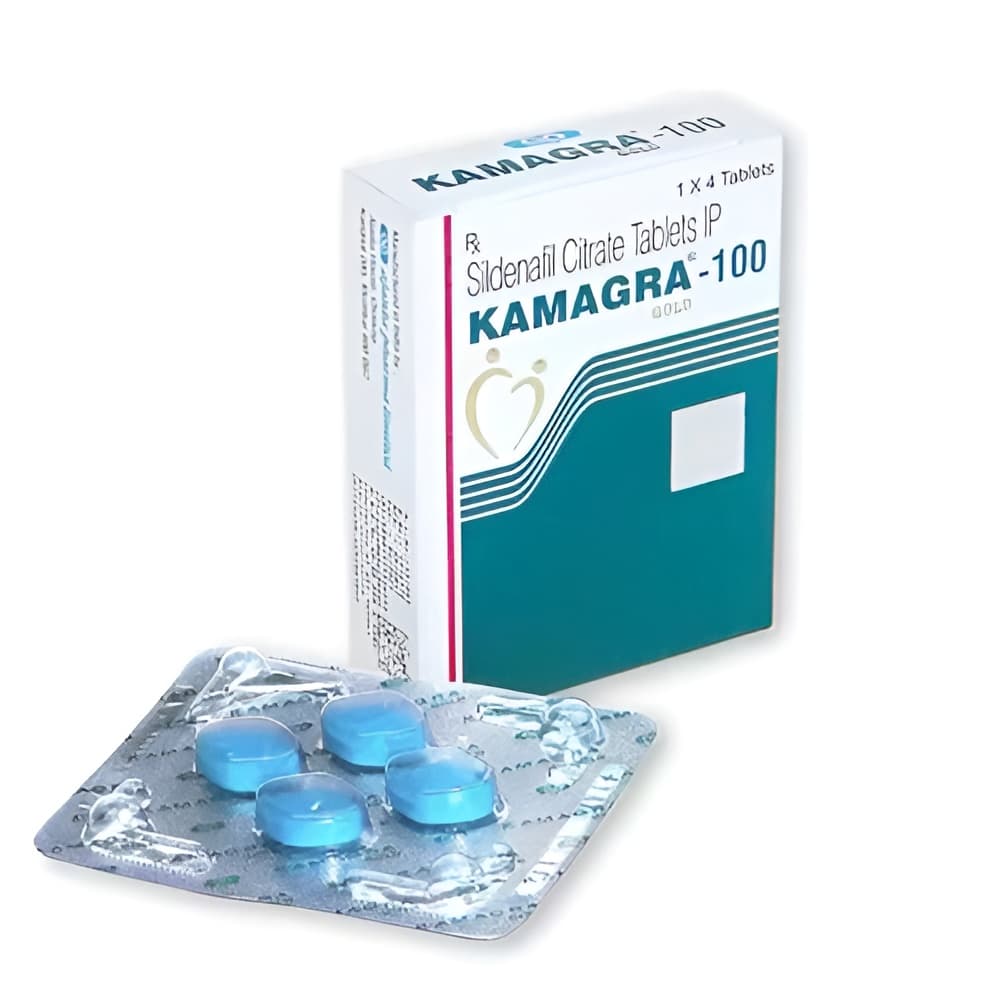
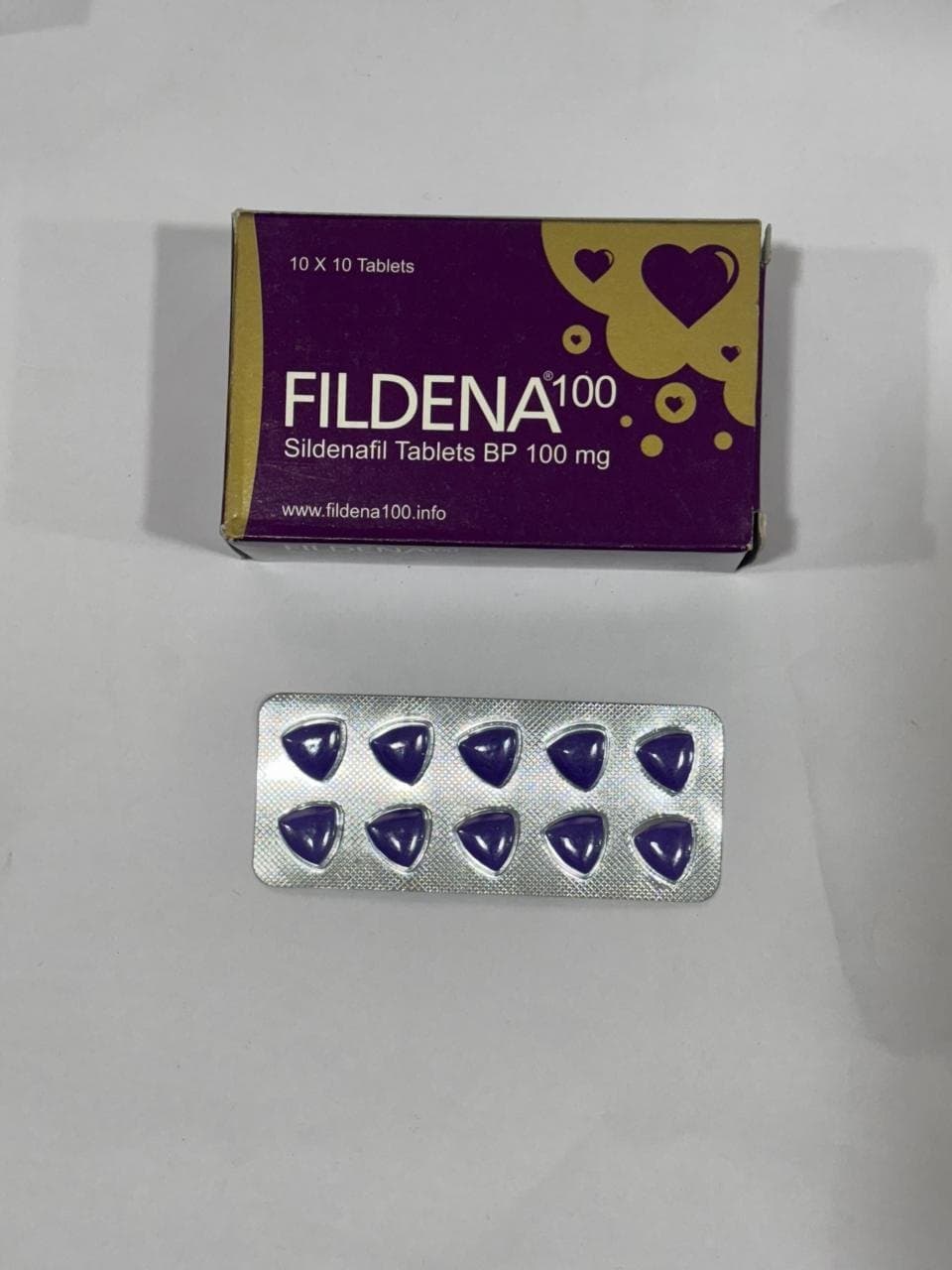
Mentioned in this guide
Shop the treatments covered here
Genuine medicines from the guide above — discreetly delivered across the UK & Europe.
Related treatments
Browse the medicines and conditions related to this guide: