

Antibiotics In stock
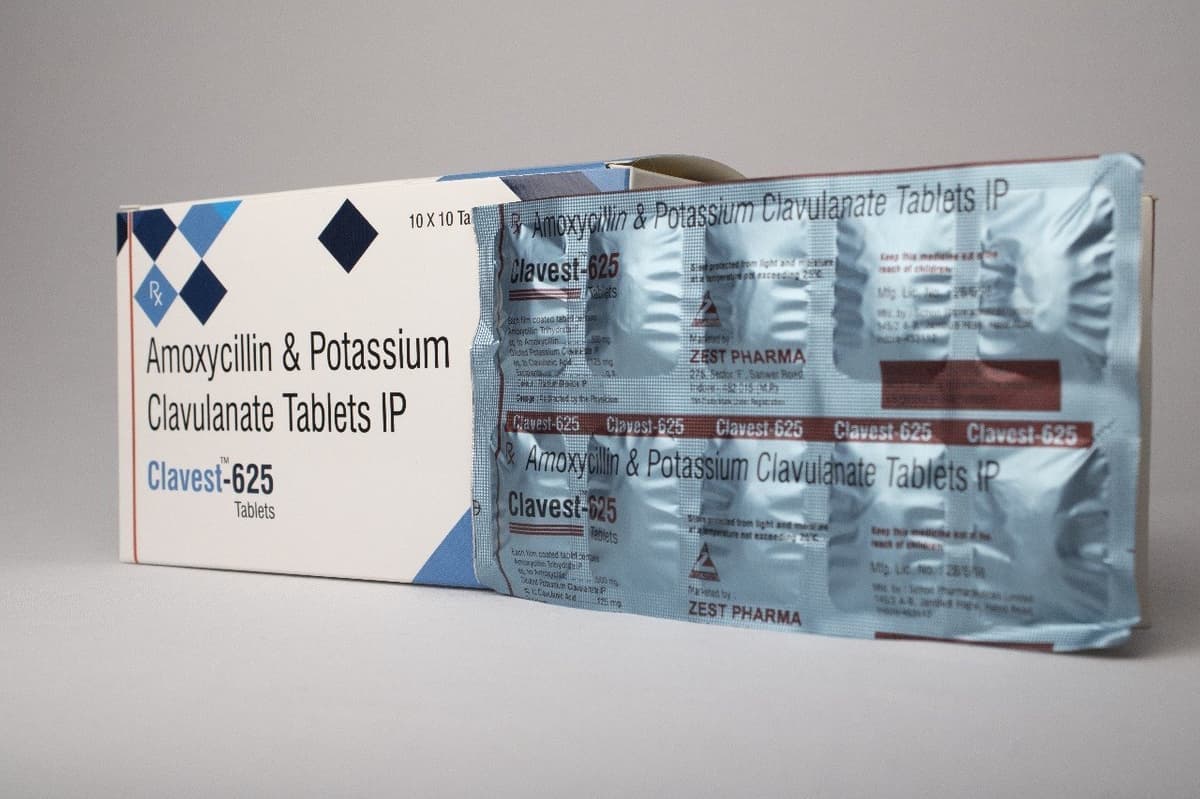
Amoxicillin 625mg
Amoxicillin
Dispatched in 1 working day
From
4 pack sizes€44.00
Active ingredient
Amoxicillin is a penicillin-type (beta-lactam) antibiotic and a prescription-only medicine in the EU/EEA. Its harmonised EU product information covers bacterial infections such as sinusitis, middle-ear and throat infections, pneumonia, bladder and kidney infections, dental abscesses, Lyme disease and H. pylori eradication. It does not work against viruses such as colds or flu.
Reviewed by the Kam4eu editorial team on 13 August 2026 · Next review August 2027
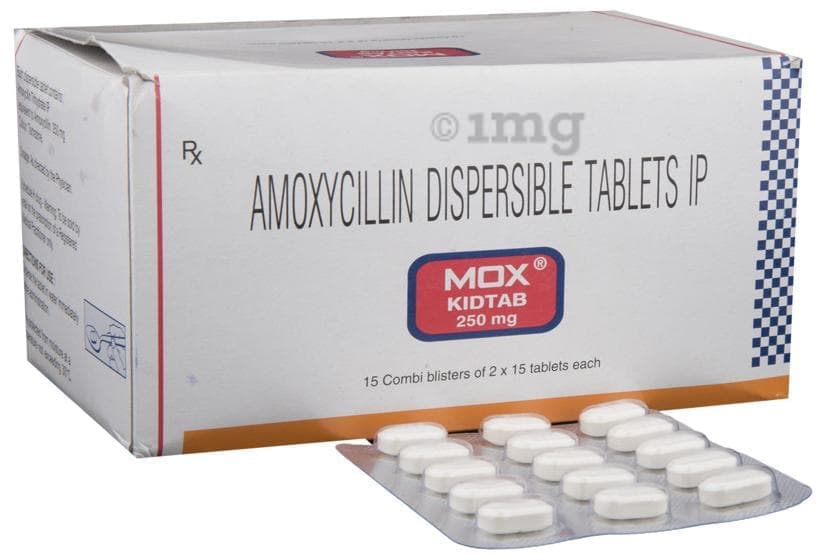
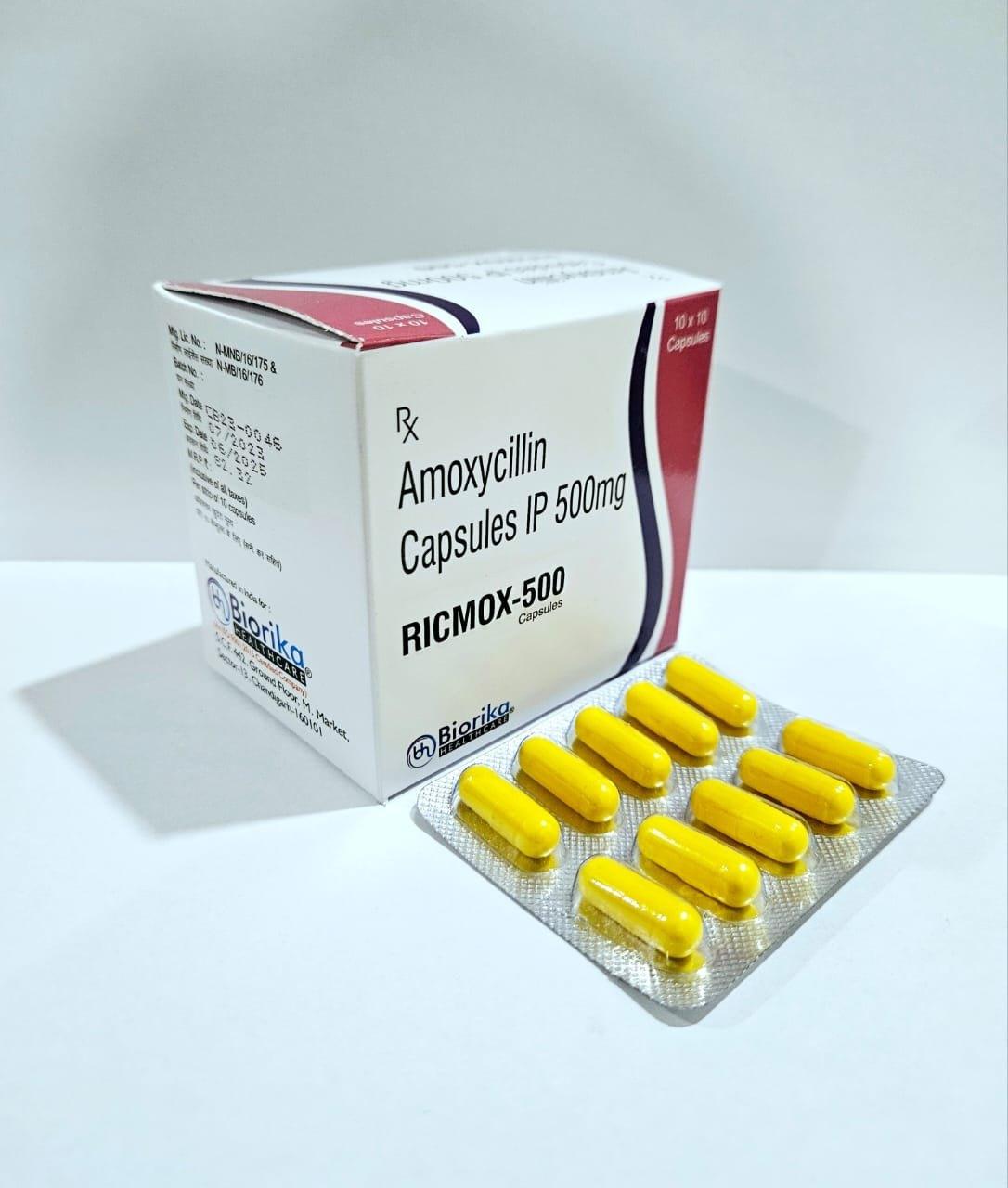
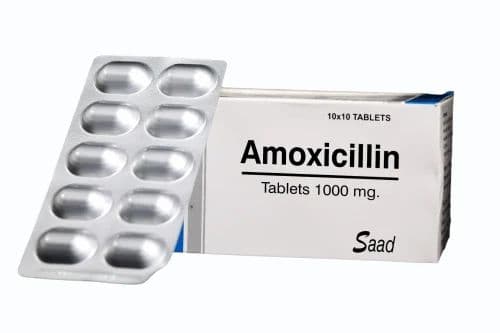
4 generic Amoxicillin products — same molecule, different brands, formats and pack sizes.
Amoxicillin
Dispatched in 1 working day
Amoxicillin
Dispatched in 1 working day
Amoxicillin
Dispatched in 1 working day
Amoxicillin
Dispatched in 1 working day
Source: EMA — Amoxil harmonised product information (Annex III, EU SmPC)
Source: EMA — Amoxil harmonised product information (Annex III, EU SmPC)
Source: EMA — Amoxil harmonised product information (Annex III, EU SmPC)
Amoxicillin interferes with the ability of bacteria to build and maintain their cell walls. By binding to specific proteins involved in cell-wall construction, it weakens the wall so that the bacterium cannot survive and multiply, leading to its death. Because human cells do not have this type of cell wall, the medicine targets bacteria selectively. It is bactericidal, meaning it kills susceptible bacteria rather than simply stopping their growth.
Always take amoxicillin exactly as prescribed and as described in the patient information leaflet. It is available as capsules, tablets and an oral liquid, and can usually be taken with or without food. Space the doses evenly through the day as directed. It is very important to complete the entire course, even if you feel better before it is finished, because stopping early can allow the infection to return and contributes to antibiotic resistance.
The EU product information names diarrhoea, nausea and skin rash as the most commonly reported side effects (common: 1 to 10 in 100 people); vomiting, hives and itching are uncommon. Severe allergic reactions, severe skin reactions and antibiotic-associated colitis are very rare.
Source: EMA — Amoxil harmonised product information (Annex III, EU SmPC)
Common (usually mild and temporary):
Stop and seek medical help if you experience:
Store in the original packaging below 25°C, away from heat, light and moisture, out of the sight and reach of children. Oral liquid is usually kept only a short time after mixing and may need refrigeration — follow the label. Do not use after the expiry date.
Yes. Amoxicillin is a semisynthetic penicillin in the beta-lactam family. The EU product information says it must not be taken by anyone allergic to any penicillin, or by anyone who has had a severe immediate allergic reaction, such as anaphylaxis, to another beta-lactam like a cephalosporin. Always tell the prescriber about any antibiotic allergy.
How amoxicillin compares with penicillin V, flucloxacillin and amoxicillin with clavulanic acid
Its EU pharmacotherapeutic group is 'penicillins with extended spectrum', but it does not cover every bacterium. Many bacteria resist it — the EU product information notes that almost all Staphylococcus aureus produce penicillinase and are resistant. That is why a prescriber chooses the antibiotic for the specific infection.
Strength is not the right measure. An antibiotic only works if the bacteria causing the infection are susceptible to it: amoxicillin kills susceptible bacteria by weakening their cell wall, but resistant bacteria are unaffected whatever the dose. A doctor chooses the antibiotic, dose and duration for the specific infection.
The same infections as the other strengths. The EU product information sets the dose by the infection, its severity and kidney function, so the strength you are given is the prescriber's choice for your infection rather than a different use. The EU-harmonised uses are listed on this page.
Per the EU product information, diarrhoea, nausea and skin rash are the most commonly reported (common: up to 1 in 10 people), and vomiting, hives and itching are uncommon. Very rare but serious: severe allergic reactions, severe skin reactions and severe or bloody diarrhoea. Stop and get urgent help if these occur — in an emergency call 112.
Alcohol does not usually stop amoxicillin from working, but it is sensible to limit alcohol while you are unwell so your body can recover. If you have concerns, ask your doctor or pharmacist.
Completing the full course helps ensure the infection is fully cleared and reduces the chance of bacteria surviving and becoming resistant. Stopping early because you feel better can allow the infection to return.
No. Colds and most cases of flu are caused by viruses, and antibiotics only work against bacteria. Taking it for a viral illness will not help and contributes to antibiotic resistance.
Important: This information is general and not a substitute for medical advice. Always read the patient information leaflet supplied with your medicine and consult a doctor or pharmacist before use — especially if you have existing health conditions or take other medication.
Peer-reviewed clinical reference: uses, dosing, allergy and side effects.
European guidance on antibiotic resistance: follow your doctor's advice and never use leftover antibiotics.
The harmonised EU SmPC text: what amoxicillin treats, who must not take it, interactions and side-effect frequencies.
The 2015 EU review that harmonised amoxicillin's indications, contraindications and warnings across Member States.
Summary: Moderate alcohol doesn't stop amoxicillin working or cause the violent reaction people fear; that belongs to metronidazole. Its product information lists no interaction with alcohol. The caveats: alcohol worsens illness symptoms and slows recovery, and a handful of other antibiotics genuinely are dangerous with drink, so know which one you're holding.
Read guideSummary: Amoxicillin is a penicillin antibiotic for bacterial infections, including chest, ear, sinus, throat, dental, urinary and some skin infections. It does nothing against colds, flu or other viral illnesses. The dose depends on the infection and is set by your prescriber; take it at evenly spaced times and finish the full course, even if you feel better.
Read guideSummary: Amoxicillin is a penicillin antibiotic for bacterial infections such as chest, ear, nose and throat, urinary and some dental and skin infections. It has no effect on viruses, so it will not help a cold, flu or most sore throats. If it is prescribed, finish the full course: stopping early lets infections return and feeds antibiotic resistance.
Read guideSummary: Amoxicillin can control a spreading dental infection, but it does not fix the tooth. An abscess usually needs drainage, a filling, root canal treatment or extraction. Antibiotics are mainly for infections causing facial swelling, fever or spread. See a dentist, finish any course prescribed, and get emergency help for swelling that affects breathing or swallowing.
Read guideConditions Amoxicillin treats
Other treatments for the same conditions