

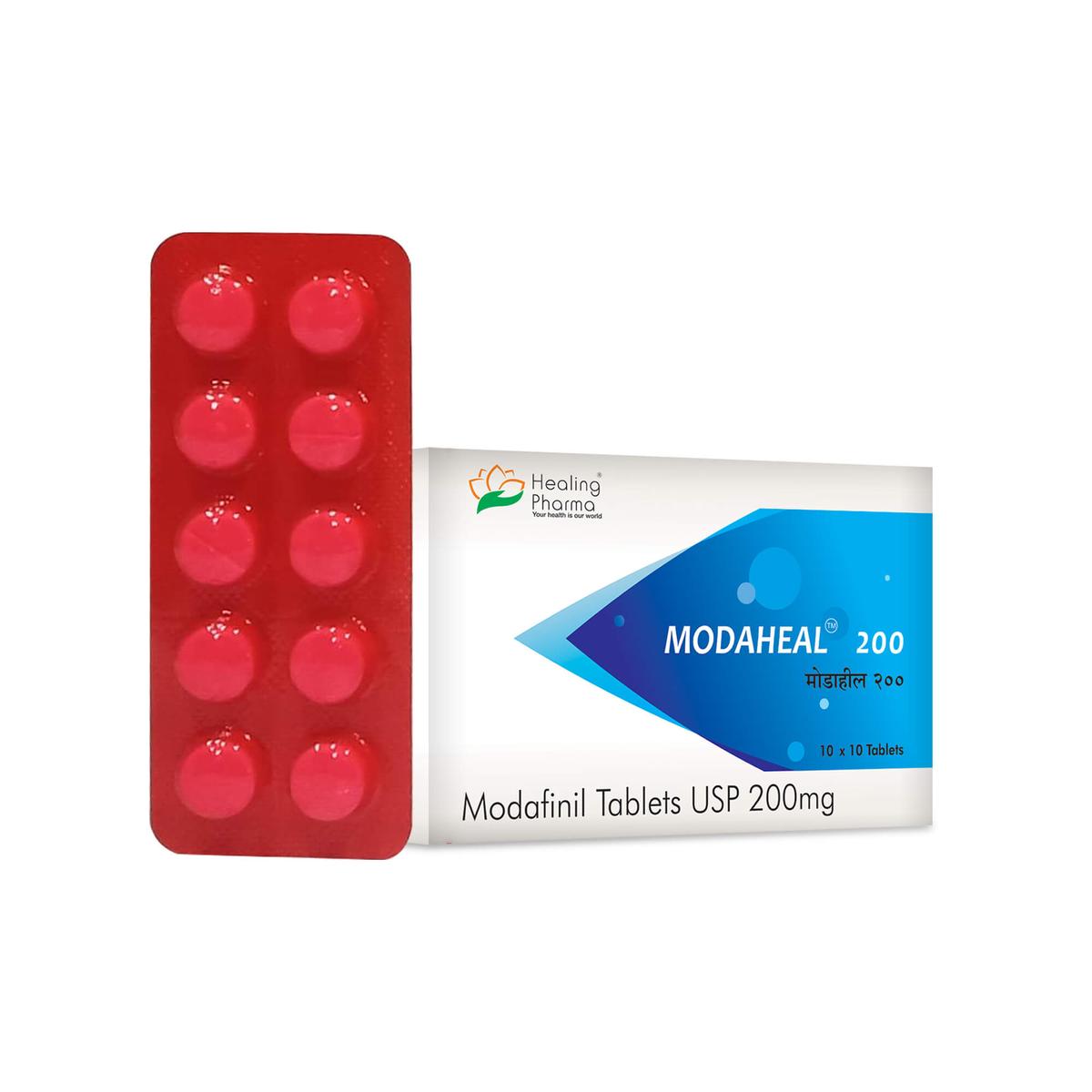
Sleep Aids & Wakefulness In stock
Modafinil 200mg Tablets
Modafinil
Dispatched in 1 working day
From
4 pack sizes€60.00
Active ingredient
Modafinil is a wakefulness-promoting medicine that is prescription-only in the EU/EEA. Since a 2010 EMA review, its EU use is restricted to adults with excessive sleepiness caused by narcolepsy; it should no longer be used for sleep apnoea, shift-work sleep disorder or idiopathic hypersomnia. Headache is its most common side effect.
Reviewed by the Kam4eu editorial team on 13 August 2026 · Next review August 2027
2 generic Modafinil products — same molecule, different brands, formats and pack sizes.
Modafinil
Dispatched in 1 working day
Modafinil
Dispatched in 1 working day
Source: EMA — Modafinil referral
Source: EMA — Modafinil Article 31 referral (2010): product information annexes I–IV
Source: EMA — Modafinil Article 31 referral (2010): product information annexes I–IV
Modafinil acts on the central nervous system to promote wakefulness and reduce excessive daytime sleepiness. Its exact mechanism is not fully understood, but it is thought to influence several chemical messengers in the brain involved in regulating the sleep-wake cycle, including dopamine. It helps you stay awake but does not replace a proper night's sleep.
Take modafinil exactly as prescribed and follow the patient information leaflet. The EU product information says the daily dose is taken either once in the morning or split between the morning and noon, and that treatment is started by, or under the supervision of, a doctor with appropriate knowledge of narcolepsy. To avoid difficulty sleeping, do not take it late in the day, and keep good sleep habits: modafinil is not a replacement for sleep.
The EU product information names headache as the most common side effect, affecting about 21% of patients — usually mild or moderate, dose-dependent and gone within a few days. Common (1 to 10 in 100): decreased appetite; nervousness, insomnia, anxiety, depression and confusion; dizziness, sleepiness and pins and needles; blurred vision; a fast heartbeat or palpitations; stomach pain, nausea, dry mouth, diarrhoea, indigestion and constipation; weakness and chest pain.
Source: EMA — Modafinil Article 31 referral (2010): product information annexes I–IV
Common (usually mild and temporary):
Stop and seek medical help if you experience:
Store in the original packaging at room temperature, below 25°C, away from moisture and direct light, out of the sight and reach of children. Return unused tablets to a pharmacy for safe disposal.
Only excessive sleepiness caused by narcolepsy in adults. After reviewing the evidence, the EMA's committee concluded in November 2010 that the benefits outweigh the risks only in narcolepsy, and the European Commission's decision followed in January 2011. Doctors should no longer use it for obstructive sleep apnoea, shift-work sleep disorder or idiopathic hypersomnia.
Headache is the most common, affecting about 21% of patients in clinical trials and usually mild and short-lived. Common ones include nervousness, insomnia, anxiety, dizziness, decreased appetite, nausea, dry mouth, a fast heartbeat and chest pain. Less common but serious: severe skin reactions, psychiatric reactions and raised blood pressure — stop and get medical help; in an emergency call 112.
Yes. The EU product information warns that it can make hormonal contraceptives less effective (use other methods during treatment and for two months after), may slow the clearance of warfarin and phenytoin, and may lower the levels of ciclosporin and of medicines such as midazolam, triazolam and some statins and calcium-channel blockers. Tell your doctor about everything you take.
Yes. Modafinil can reduce the effectiveness of hormonal contraceptives, increasing the risk of unintended pregnancy. Use an additional or alternative non-hormonal method during treatment and for up to two months after stopping, and discuss this with your doctor.
No. It reduces excessive sleepiness and promotes wakefulness but does not remove your body's need for sleep or treat the underlying cause of tiredness. Continue any other treatment your doctor has recommended.
Because it promotes wakefulness, taking it too late in the day can make it hard to fall asleep. It is usually taken in the morning to lower this risk. If insomnia is a problem, speak to your doctor rather than changing the timing yourself.
Important: This information is general and not a substitute for medical advice. Always read the patient information leaflet supplied with your medicine and consult a doctor or pharmacist before use — especially if you have existing health conditions or take other medication.
Peer-reviewed clinical pharmacology and licensed indications.
The EU-wide review that restricted modafinil to treating narcolepsy.
The 2019 EU safety review that changed modafinil's product information to say it should not be used during pregnancy, because it is suspected to cause congenital malformations.
The SmPC text set by the 2010 EU review: narcolepsy-only indication, contraindications, skin, psychiatric and heart warnings, interactions and side effects. Its pregnancy section was strengthened in 2019.
Summary: In the EU, modafinil is authorised only for excessive sleepiness caused by narcolepsy. In 2010 the EMA concluded its benefits did not outweigh its risks for shift-work sleep disorder. Shift-work sleepiness is managed first with lighting, planned naps and steady routines. Modafinil also makes hormonal contraception less reliable, so any use needs a doctor's supervision.
Read guideSummary: Armodafinil is a wakefulness medicine closely related to modafinil, whose EU use is restricted to narcolepsy since the EMA's 2010 review. It manages sleepiness but does not treat the underlying cause, and it is not a study aid. It can make hormonal contraception less reliable and needs a doctor's supervision.
Read guideSummary: Armodafinil contains one of the two mirror-image forms that make up modafinil, so the two wakefulness medicines are very closely related. They share side effects and cautions, including less reliable hormonal contraception. In the EU, modafinil is restricted to narcolepsy. Both need a prescription and a doctor's supervision.
Read guide