

Pain Relief In stock
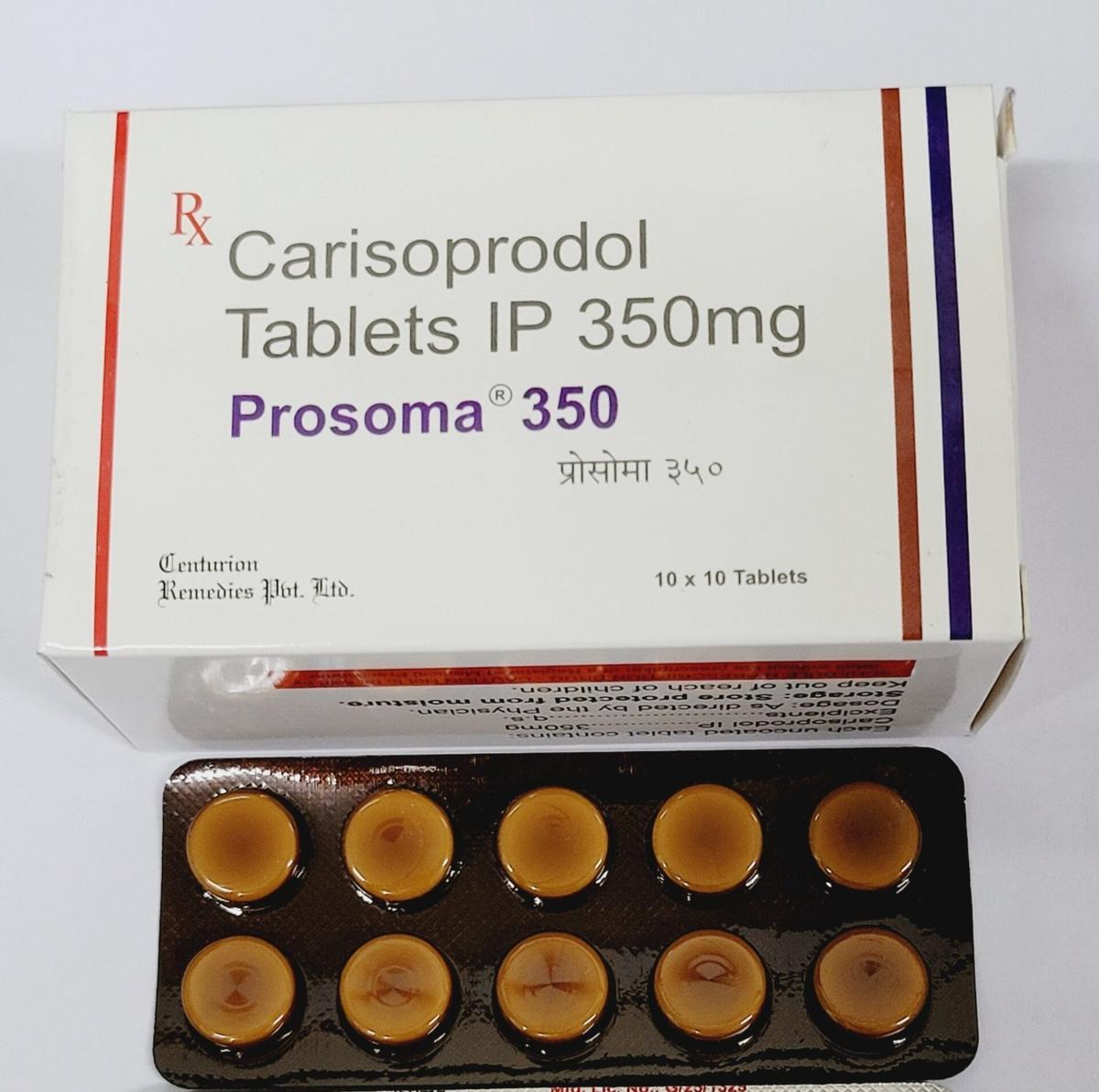
Prosoma 350 — Carisoprodol Tablets
Carisoprodol
Dispatched in 1 working day
From
4 pack sizes€52.00
Active ingredient
Carisoprodol is a centrally acting muscle relaxant that was used mainly for acute lower back pain. In 2007 the European Medicines Agency concluded that its risks of abuse, addiction, intoxication and impaired coordination outweigh its benefits, and recommended suspending every carisoprodol marketing authorisation in the EU; prescribers were told to stop issuing new prescriptions.
Reviewed by the Kam4eu editorial team on 13 August 2026 · Next review August 2027
4 generic Carisoprodol products — same molecule, different brands, formats and pack sizes.
Carisoprodol
Dispatched in 1 working day

Carisoprodol
Dispatched in 1 working day
Carisoprodol
Dispatched in 1 working day
Carisoprodol
Dispatched in 1 working day
Source: EMA — Carisoprodol referral
Source: EMA — Carisoprodol referral
Carisoprodol does not act directly on skeletal muscle. Instead, it works within the central nervous system, where it is thought to alter activity between neurons in the spinal cord and brain, producing a sedative effect and reducing the perception of muscle discomfort. In the body it is partly metabolised to meprobamate, a compound with sedative properties, which contributes to its effects and to its potential for dependence.
There is no current EU product information for carisoprodol to give dosing instructions from: the EMA recommended suspending all its marketing authorisations in the EU and told prescribers to switch patients to an alternative treatment if necessary. If you already take carisoprodol, do not stop abruptly — ask your doctor about other treatment options — and never take more than prescribed.
Reported side effects:
Stop and seek medical help if you experience:
Store in the original packaging at room temperature, away from excess heat, moisture and direct light, out of the sight and reach of children. Do not use after the expiry date, and dispose of unused medicine safely through a pharmacy.
In November 2007 the EMA's scientific committee concluded that the benefits of carisoprodol medicines no longer outweigh their risks and recommended suspending all their marketing authorisations in the EU; the European Commission's decision followed in February 2008. Before that, carisoprodol was authorised in 12 European countries and available only on prescription.
The EMA identified a risk of abuse and addiction, intoxication and psychomotor impairment (unusual thoughts and difficulty co-ordinating movements). It found that blood levels are often higher than expected even at the recommended dose, and that alternative medicines for lower back pain seem as effective with a better safety profile.
Drowsiness, dizziness and headache are commonly reported, and it can impair coordination. The EMA's review highlighted the more serious risks: abuse and addiction, intoxication and psychomotor impairment. Do not combine it with alcohol or other sedatives, and ask a doctor before stopping rather than stopping abruptly.
No. Carisoprodol is intended only for short-term use, generally no more than two to three weeks. For ongoing or chronic muscle problems, speak to your doctor about more suitable approaches.
No. Alcohol can greatly increase the sedative effects, leading to severe drowsiness, impaired coordination and breathing problems. Avoid alcohol entirely during treatment.
Yes, particularly with prolonged use or higher-than-prescribed doses, partly because it is metabolised to meprobamate. Take it only as prescribed, and ask your doctor before stopping a long course.
Important: This information is general and not a substitute for medical advice. Always read the patient information leaflet supplied with your medicine and consult a doctor or pharmacist before use — especially if you have existing health conditions or take other medication.
Peer-reviewed reference on the muscle relaxant, including dependence risk.
The EU review that recommended suspending every carisoprodol marketing authorisation in the EU in 2007, over abuse, addiction and intoxication risks; the European Commission's decision followed in 2008.
Summary: Carisoprodol 500mg, sold as Pain-O-Soma 500, is a muscle relaxant for short courses of acute muscle pain. The EMA recommended suspending all EU carisoprodol authorisations in 2007 because of abuse, addiction and impairment risks. It causes drowsiness, must never be mixed with alcohol and carries genuine dependence potential. Use it only as a prescriber directs.
Read guideSummary: Carisoprodol (Pain O Soma) is a muscle relaxant for short courses of acute muscle pain, used alongside rest and physiotherapy. It acts on the nervous system, so it commonly causes drowsiness and dizziness: don't drive, and never mix it with alcohol. It can be habit-forming, so use it only for the short period your doctor advises.
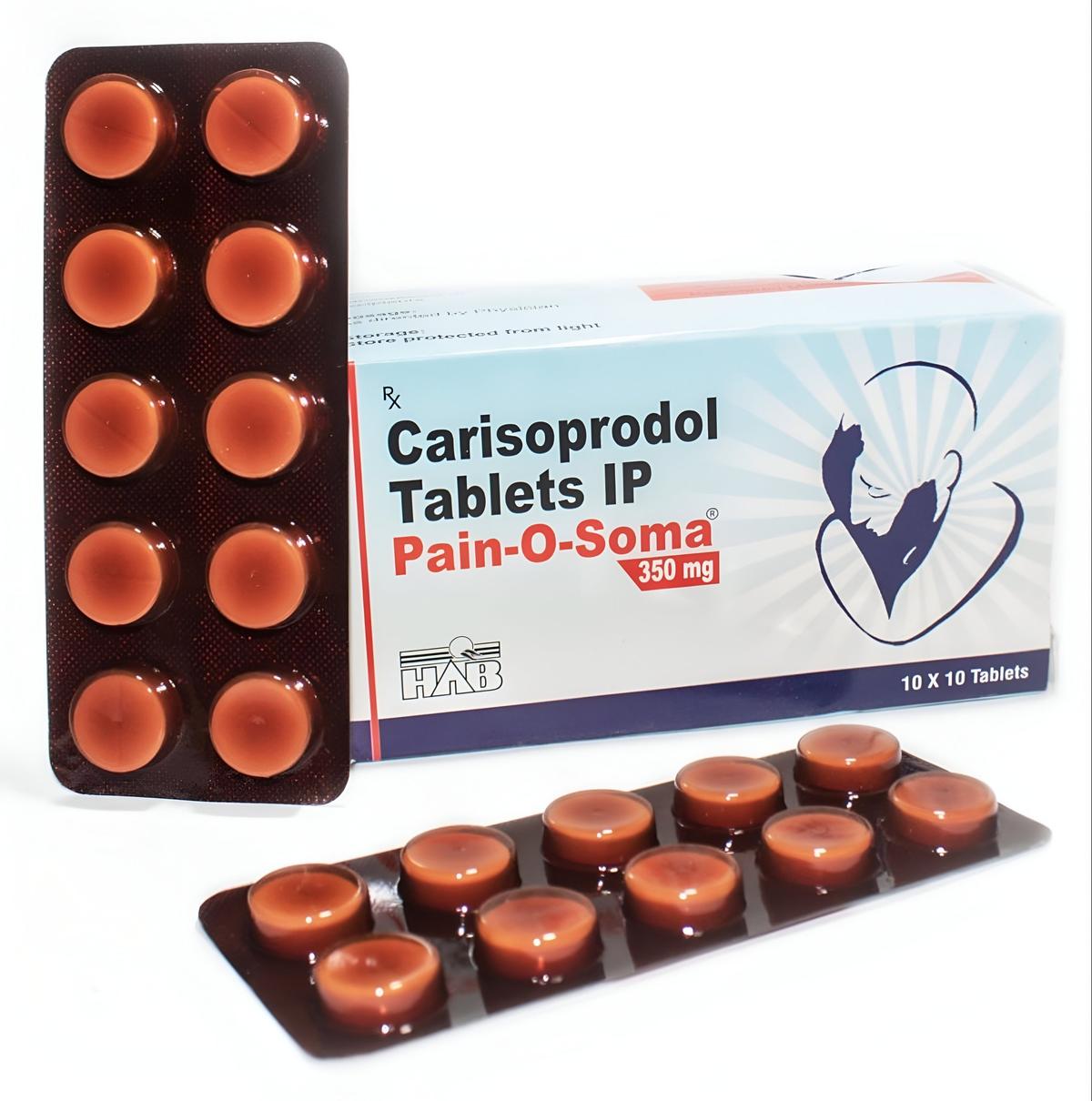
Read guideSummary: Pain-O-Soma 350 and 500 both contain carisoprodol, a muscle relaxant; the number is the strength in milligrams. The higher strength mainly brings more drowsiness and dizziness. Either is for short courses only, because carisoprodol can be habit-forming. Avoid alcohol, don't drive if drowsy, and let a doctor choose the lowest strength that helps.
Read guideSummary: Pain-O-Soma is carisoprodol, a muscle relaxant for short-term relief of acute muscle strains and spasms, usually alongside rest and physiotherapy. It acts on the nervous system rather than the muscle. Courses are short, usually no more than a couple of weeks, because dependence and tolerance can develop. It causes drowsiness, so avoid alcohol and driving.
Read guide