

Carisoprodol as a muscle relaxer: when it helps and when it doesn't
Summary
Summary: carisoprodol is a centrally-acting muscle relaxant best for short-term acute muscle pain — strains, spasms and injuries — alongside rest and physiotherapy. It's not for chronic pain or long-term use. Here's when it genuinely helps and the safer alternatives to consider.
Reviewed by the Kam4eu Pharmacy Team on 27 July 2026 · Next review June 2027
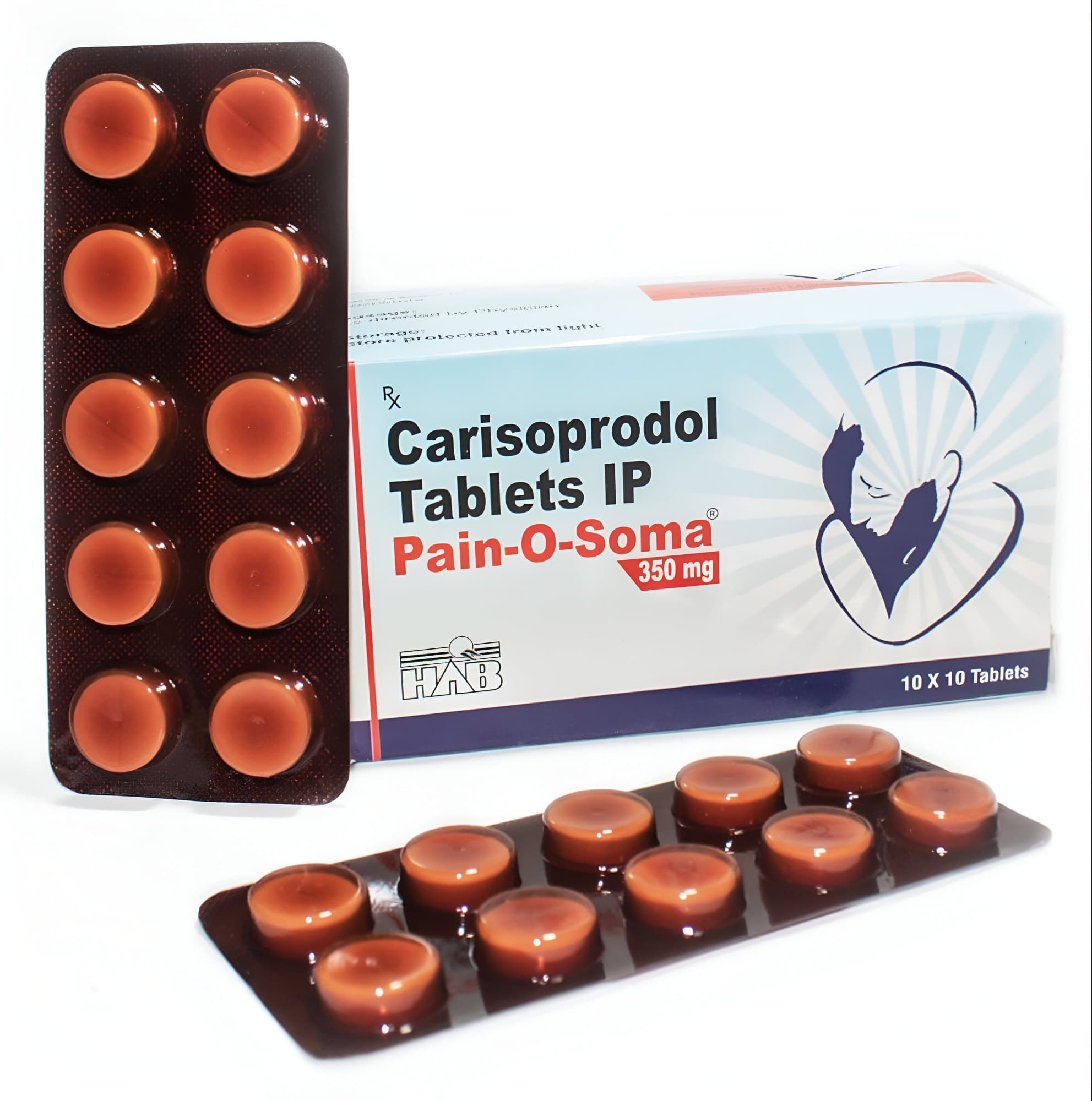
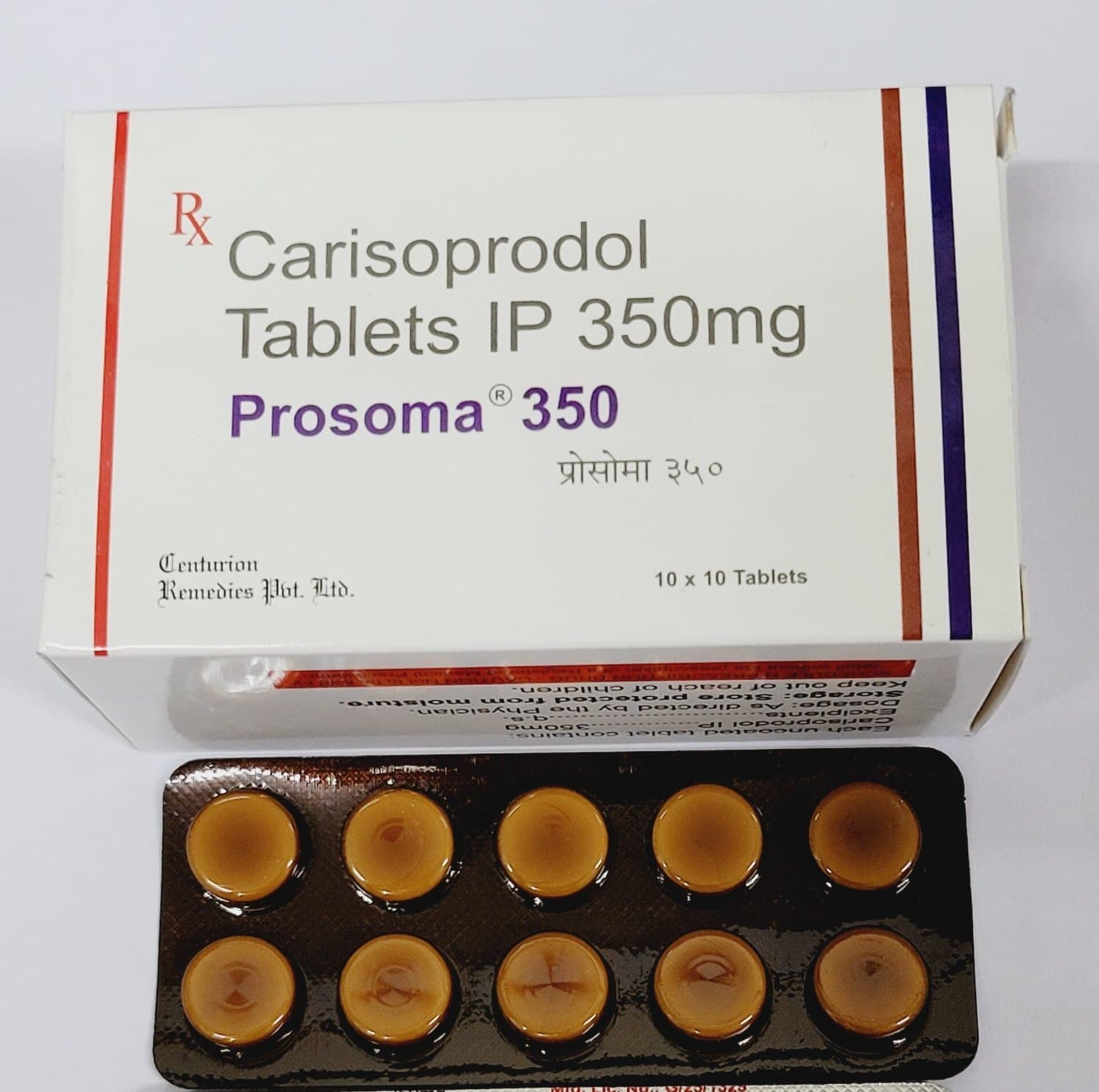
"Muscle relaxer" covers several different medicines, and carisoprodol (sold as Pain-O-Soma and Prosoma) is one of the most searched. This guide is about using it well: the situations where it genuinely helps, where it doesn't, and how it compares to the alternatives — so you use the right tool for the problem.
What kind of muscle relaxer it is
Carisoprodol is a centrally-acting muscle relaxant — it works in the brain and spinal cord rather than on the muscle fibres directly, interrupting pain signals and producing a calming, sedative effect that eases muscle tension. This is different from peripheral relaxants used in surgery. Its sedative nature is both its benefit (relaxation, easier sleep through pain) and its main limitation (drowsiness, dependence risk).
When it genuinely helps
It's most useful for acute, short-lived muscle problems: a pulled back, a neck spasm, a sports strain — the painful few days to couple of weeks after an injury, used alongside rest, gentle movement and physiotherapy. In that acute window, easing the spasm can break the pain-tension-pain cycle and help you move enough to recover. That's the scenario it's designed for.
When it doesn't help
Carisoprodol is not a good fit for chronic, long-standing pain — the evidence for long-term benefit is weak, and the dependence risk grows with time, which is why it's licensed for 2–3 weeks only. It also doesn't treat the underlying cause (a disc problem, poor posture, an unaddressed injury). For persistent pain, especially nerve pain, other approaches — including pregabalin for nerve pain — may be more appropriate.
Using it safely
Take the lowest effective dose for the shortest time, avoid alcohol, opioids and other sedatives, and don't drive until you know how it affects you. Don't stop abruptly after prolonged use. It's not for under-17s, pregnancy or breastfeeding without medical advice, and it can be habit-forming — treat it with respect. Dosage detail is in the Pain-O-Soma guide.
The bigger picture
A muscle relaxant works best as one part of recovery, not the whole plan. Rest, graded movement, heat or ice, physiotherapy and time do most of the healing; carisoprodol helps you tolerate the acute phase. If pain persists beyond a few weeks, that's a signal to see a doctor rather than continue the medicine — see the pain and nerve-pain guides.
Key points to remember
- What kind of muscle relaxer it is: Carisoprodol is a centrally-acting muscle relaxant — it works in the brain and spinal cord rather than on the muscle fibres directly, interrupting pain signals and producing a calming, sedative effect that eases muscle tension. This is different from peripheral relaxants used in surgery.
- When it genuinely helps: It's most useful for acute, short-lived muscle problems: a pulled back, a neck spasm, a sports strain — the painful few days to couple of weeks after an injury, used alongside rest, gentle movement and physiotherapy. In that acute window, easing the spasm can break the pain-tension-pain cycle and help you move enough to recover.
- When it doesn't help: Carisoprodol is not a good fit for chronic, long-standing pain — the evidence for long-term benefit is weak, and the dependence risk grows with time, which is why it's licensed for 2–3 weeks only. It also doesn't treat the underlying cause (a disc problem, poor posture, an unaddressed injury).
- Using it safely: Take the lowest effective dose for the shortest time, avoid alcohol, opioids and other sedatives, and don't drive until you know how it affects you. Don't stop abruptly after prolonged use.
- The bigger picture: A muscle relaxant works best as one part of recovery, not the whole plan. Rest, graded movement, heat or ice, physiotherapy and time do most of the healing; carisoprodol helps you tolerate the acute phase.
Common questions
What is carisoprodol used as a muscle relaxer for?
Short-term relief of acute muscle pain — strains, spasms and injuries — used alongside rest and physiotherapy. It works centrally, in the brain and spinal cord, to ease pain and muscle tension.
Is carisoprodol good for chronic pain?
No — it's for short-term acute pain (2–3 weeks). Evidence for long-term benefit is weak and dependence risk rises with time. Chronic or nerve pain may need different treatment.
How is carisoprodol different from other muscle relaxers?
It's centrally-acting and notably sedative, which helps relaxation but causes drowsiness and a dependence risk. Other relaxants differ in mechanism and side-effect profile.
How long can I take carisoprodol?
It's licensed for short-term use only, typically 2–3 weeks. Longer use increases the risk of dependence with limited added benefit — see a doctor if pain persists.
References & further reading
- NHS: Sildenafil (Viagra) — uses, dosage, side effects — official UK guidance on the active ingredient.
- Goldstein I, et al. NEJM 1998 — the pivotal sildenafil trial — lead-authored by Dr. Irwin Goldstein (San Diego Sexual Medicine).
- Phosphodiesterase 5 Inhibitors — StatPearls, NCBI Bookshelf — clinical pharmacology reference.
This article is general information, not medical advice. Always consult a healthcare professional before starting any medication.
Frequently asked questions
What is carisoprodol used as a muscle relaxer for?+
Short-term relief of acute muscle pain — strains, spasms and injuries — used alongside rest and physiotherapy. It works centrally, in the brain and spinal cord, to ease pain and muscle tension.
Is carisoprodol good for chronic pain?+
No — it's for short-term acute pain (2–3 weeks). Evidence for long-term benefit is weak and dependence risk rises with time. Chronic or nerve pain may need different treatment.
How is carisoprodol different from other muscle relaxers?+
It's centrally-acting and notably sedative, which helps relaxation but causes drowsiness and a dependence risk. Other relaxants differ in mechanism and side-effect profile.
How long can I take carisoprodol?+
It's licensed for short-term use only, typically 2–3 weeks. Longer use increases the risk of dependence with limited added benefit — see a doctor if pain persists.
Mentioned in this guide
Shop the treatments covered here
Genuine medicines from the guide above — discreetly delivered across the UK & Europe.
Related treatments
Browse the medicines and conditions related to this guide: