

Modafinil and Shift-Work Sleep Disorder
Summary
In the EU, modafinil is authorised only for excessive sleepiness caused by narcolepsy. In 2010 the EMA concluded its benefits did not outweigh its risks for shift-work sleep disorder. Shift-work sleepiness is managed first with lighting, planned naps and steady routines. Modafinil also makes hormonal contraception less reliable, so any use needs a doctor's supervision.
Last reviewed 21 June 2026 by the Kam4eu editorial team · Next review August 2027
Working through the night goes against the body's natural clock. For some people this leads to shift-work sleep disorder — excessive sleepiness during working hours and trouble sleeping when off shift. Modafinil is often mentioned for this, but in the EU it is no longer a treatment for shift-work sleep disorder. This guide explains why, what helps instead, and the safety points to know about modafinil.
What shift-work sleep disorder is
The body's circadian rhythm pushes us towards sleep at night and alertness by day. Night and rotating shifts force activity at the "wrong" time, which can cause:
- Persistent drowsiness during shifts
- Difficulty falling or staying asleep afterwards
- Reduced concentration and a higher risk of errors
Lighting, scheduled naps and consistent routines are the main measures. If sleepiness persists, see a doctor: it can also signal another sleep disorder that needs its own assessment.
How Modafinil promotes wakefulness
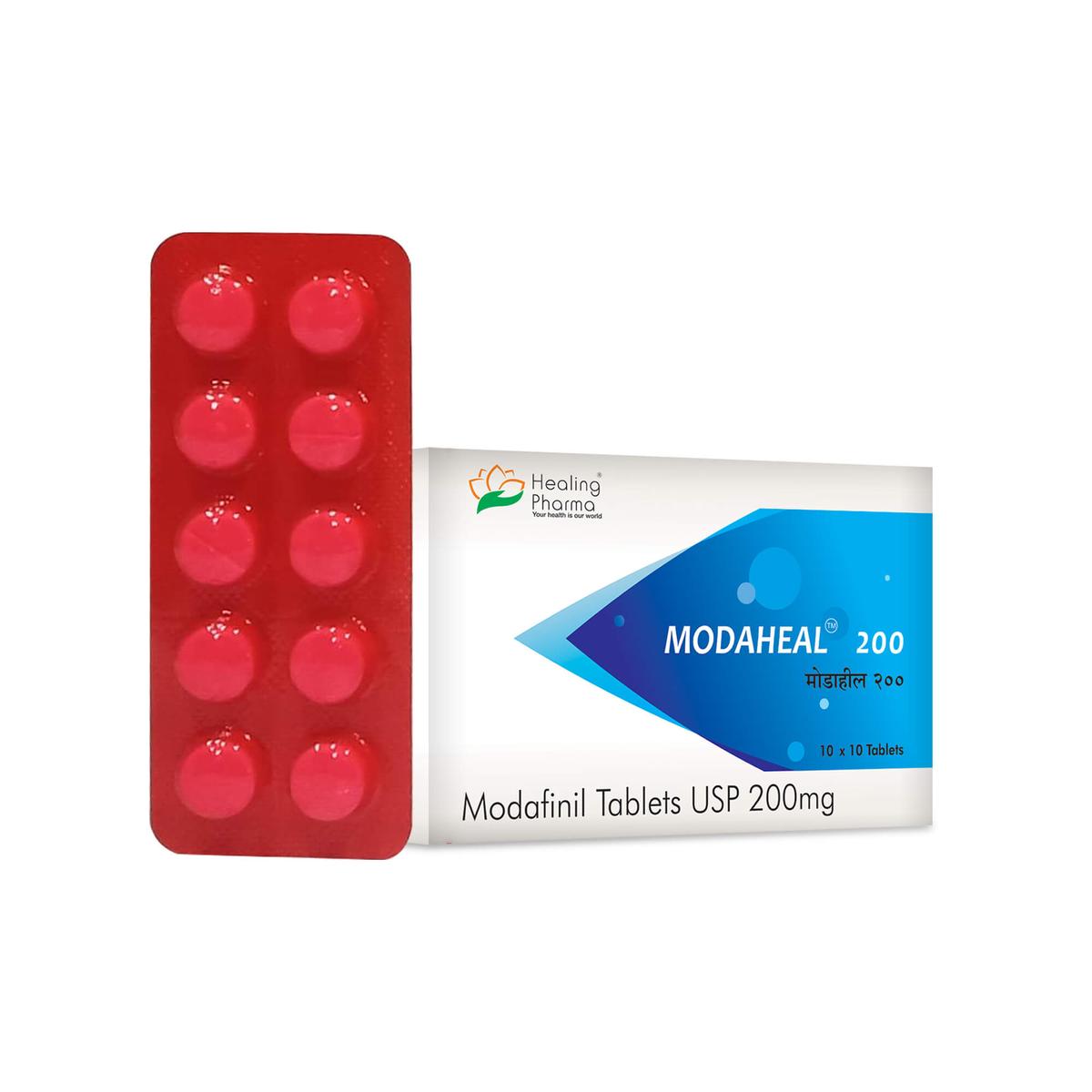
Modafinil is a wakefulness-promoting prescription medicine. Rather than acting as a general stimulant in the way caffeine does, it influences brain chemicals involved in the sleep-wake cycle to reduce excessive sleepiness. It does not replace sleep — it helps you stay alert during the hours you genuinely need to be awake.
In the EU, modafinil is authorised only to treat excessive sleepiness caused by narcolepsy: in 2010 the EMA concluded that its benefits outweigh its risks only in narcolepsy, and recommended removing obstructive sleep apnoea, shift work sleep disorder and idiopathic hypersomnia from its uses (EMA: modafinil referral). For a comparison of related options, see our explainer on Modafinil vs Armodafinil.
What the EU review concluded
The EMA reviewed modafinil's benefits and risks in 2010, weighing serious, life-threatening skin reactions, psychiatric adverse reactions and cardiovascular effects such as hypertension. It concluded that, for shift work sleep disorder, the benefits did not outweigh these risks, and the indication was removed from EU product information; the European Commission issued its decision in January 2011. Modafinil remains authorised in the EU only for narcolepsy.
Practical habits that help with shift-work sleepiness include:
- Keeping a consistent sleep window when off shift
- Using blackout curtains and minimising noise during daytime sleep
- Limiting caffeine late in the shift so it does not compound any sleep difficulty
- Planning short naps before a night shift and taking extra care on the drive home
The contraceptive-pill interaction
This is a particularly important point. Modafinil can reduce the effectiveness of hormonal contraceptives, including the combined and progestogen-only pill, patches, implants and some other methods. The interaction may continue for a period after stopping the medicine.
If you use hormonal contraception, speak to your doctor or pharmacist before starting Modafinil. They may recommend an additional or alternative method of contraception during treatment and for a time afterwards. Do not assume your usual method remains fully reliable.
Other safety considerations
- Side effects can include headache, nausea, nervousness and difficulty sleeping after the shift.
- Heart and blood pressure. Tell your doctor about any cardiovascular conditions, as monitoring may be needed.
- Mood and mental health. Report anxiety, low mood or unusual thoughts.
- Serious reactions. Although uncommon, a rash can rarely signal a serious reaction — seek medical help promptly if one appears.
- Other medicines. Modafinil interacts with several drugs, so give your clinician a full list of what you take.
Modafinil is a controlled, prescription-only medicine and should be used only under medical guidance, never shared, and never relied upon as a substitute for adequate rest.
When to review with your doctor
If sleepiness during shifts persists, or you feel unsafe at work or driving, see a doctor. Adjusting schedules and the sleep environment usually achieves more than any tablet.
You can explore related products across the shop all catalogue, and read about our sourcing and standards on the about Kam4eu page. For shift-work sleepiness itself, lighting, naps and routine — and a doctor's assessment if it persists — are the approaches that fit EU guidance.
General information only — not medical advice. Always read the patient information leaflet and consult a doctor or pharmacist before starting any medication.
Official sources & further reading
Treatment options
Treatments discussed in this guide
Speak to a doctor and get a valid prescription before ordering. Discreet delivery across the EU & EEA.

Learn more about these medicines and conditions: