

Modafinil vs Armodafinil: How These Wakefulness Aids Compare
Summary
Armodafinil contains one of the two mirror-image forms that make up modafinil, so the two wakefulness medicines are very closely related. They share side effects and cautions, including less reliable hormonal contraception. In the EU, modafinil is restricted to narcolepsy. Both need a prescription and a doctor's supervision.
Last reviewed 21 June 2026 by the Kam4eu editorial team · Next review August 2027
Two related medicines
Modafinil and armodafinil are closely related wakefulness-promoting medicines. Their EU status differs: modafinil is authorised in the EU only for excessive sleepiness caused by narcolepsy, after the EMA's 2010 review removed obstructive sleep apnoea, shift work sleep disorder and idiopathic hypersomnia from its uses (EMA: modafinil referral). Armodafinil is not authorised in the EU: no armodafinil medicine holds an EU marketing authorisation, so there is no EU-approved use for it. Both are controlled medicines in many countries and require careful, supervised use.
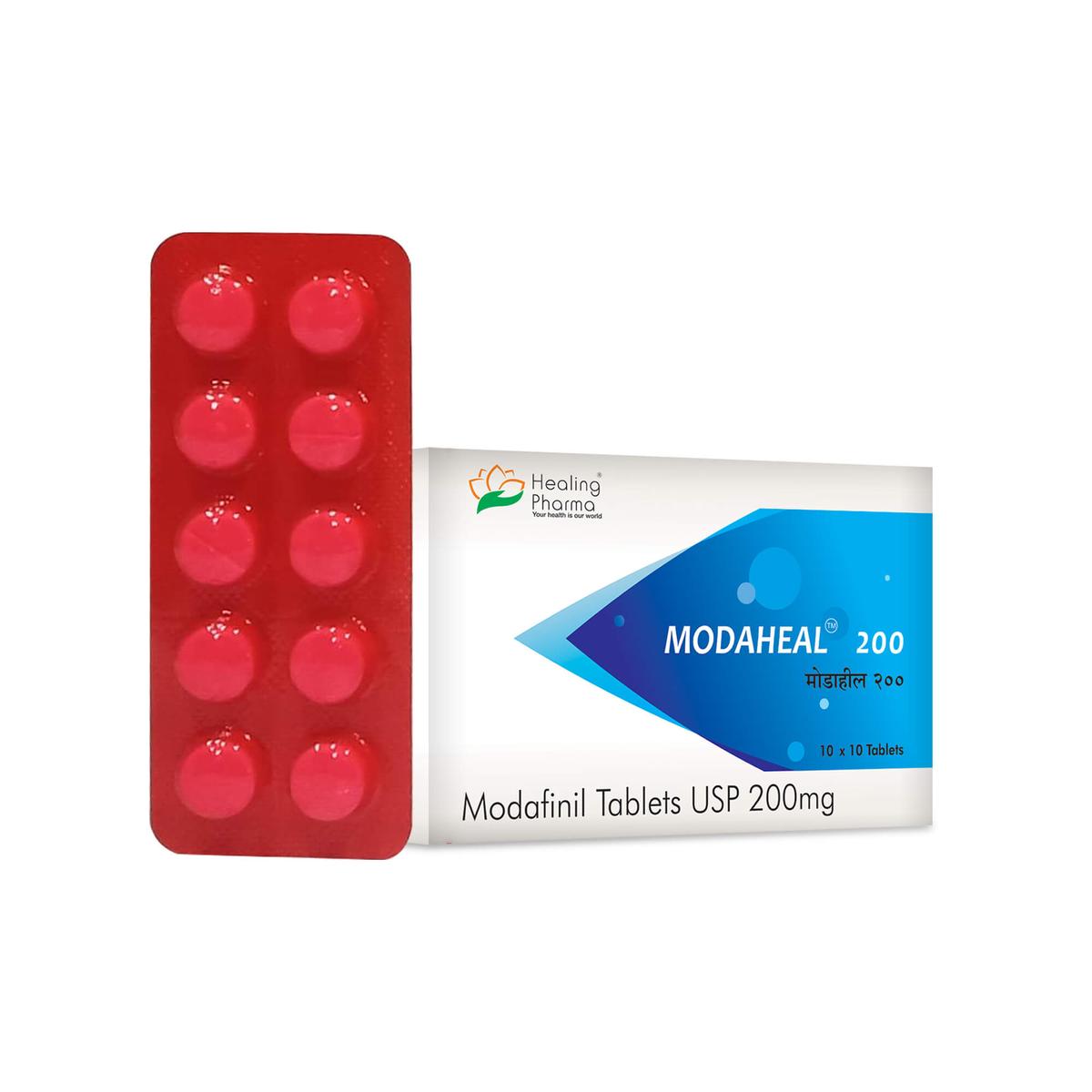
If you have read our Modafinil 200mg page, much here will feel familiar, because the two share a great deal.
What the difference actually is
Modafinil is made up of two mirror-image forms of the same molecule, often described as left- and right-handed versions. Armodafinil contains only one of those forms. In plain terms, armodafinil is a refined version of part of modafinil.
Because of this, the two can behave slightly differently in the body, for example in how long their effects are felt across the day. However, both are intended to do the same job: promote wakefulness. Which one suits a person better is an individual matter for a doctor to judge.
What they have in common
For most practical purposes, modafinil and armodafinil share the same essentials:
- Both are wakefulness aids, not substitutes for sleep.
- Both are controlled medicines requiring medical supervision.
- Both can cause similar side effects, such as headache, nausea, nervousness, and difficulty sleeping if taken too late in the day.
- Both can, rarely, cause serious skin reactions, mood changes, or effects on heart rate and blood pressure.
The contraception caution applies to both
This point is important and applies to both medicines. Modafinil and armodafinil can reduce the effectiveness of hormonal contraceptives, including the pill, implants, and some other methods. This can increase the risk of unintended pregnancy.
If you use hormonal contraception, raise this with your doctor before starting either medicine. Additional or alternative contraception is often advised during treatment and for a period afterwards. Check the patient information leaflet for the specifics of your product.
Who needs extra caution
For either medicine, tell your prescriber if you have or have had:
- Heart problems, high blood pressure, or an irregular heartbeat
- A history of mental health conditions
- Liver or kidney problems
- A history of substance misuse
Both interact with a range of medicines, so share a complete list of everything you take. Avoid alcohol, and seek medical attention promptly if you develop a rash, blistering, or mouth sores.
Choosing between them
There is no single "better" option for everyone. In the EU the question is largely settled by authorisation: only modafinil is authorised, and only for narcolepsy. Beyond that, the choice depends on your condition, how you respond, side effects and other medicines you take. This is a decision for you and your doctor, not something to settle alone.
Neither medicine fixes the underlying need for sleep. If excessive sleepiness is a problem, the most useful step is a proper assessment to find and treat the cause, which may be an undiagnosed sleep disorder.
You can explore the sleep aids range or browse shop all. Whichever option is considered, professional guidance is essential for these controlled medicines.
General information only — not medical advice. Always read the patient information leaflet and consult a doctor or pharmacist before starting any medication.
Official sources & further reading
Treatment options
Treatments discussed in this guide
Speak to a doctor and get a valid prescription before ordering. Discreet delivery across the EU & EEA.
Learn more about these medicines and conditions: