

ED is your heart's early-warning light — what the Viagra pioneer wants you to know
Summary
Summary: Dr. Irwin Goldstein — lead author of the original 1998 Viagra trial — calls ED 'the canary in the coal mine' for heart disease: erection problems typically precede cardiac symptoms by about three years, and most men who have heart attacks had ED first. The 2024 Princeton IV consensus he co-authored says every man with unexplained ED deserves a cardiovascular check — and confirms PDE5 inhibitors are heart-safe, with nitrates the one absolute no.
Reviewed by the Kam4eu Pharmacy Team on 29 July 2026 · Next review June 2027
The artery feeding the penis is narrower than the arteries feeding the heart — so when arteries start silently clogging, erections fail years before chest pain appears. That's why Dr. Irwin Goldstein, Director of San Diego Sexual Medicine and lead author of the original 1998 sildenafil trial, calls ED 'the canary in the coal mine... an early glimpse of the health of your vasculature.' Italian research puts the head start at about three years. Used correctly, ED is the most useful health warning a man ever gets.
The evidence linking ED and the heart
The numbers are hard to argue with: 80–90% of men who suffer heart attacks had erectile dysfunction first (Goldstein), and Prof. Emmanuele Jannini's Italian data shows ED precedes cardiac symptoms by 3+ years in roughly 2 of 3 affected men — with ED patients showing +6% cardiovascular events, +7% diabetes and +17% overweight. The mechanism is plumbing, not psychology: endothelial dysfunction (stiffening, narrowing vessels) shows up first in the smallest arteries. The penile artery is 1–2mm; coronaries are 3–4mm. Small pipe clogs first.
What Princeton IV says your doctor should do
The Princeton IV Consensus (Mayo Clinic Proceedings, 2024), co-authored by Goldstein, formally classifies ED as a cardiovascular risk-enhancing factor and recommends men with unexplained ED get a cardiac workup — blood pressure, lipids, glucose, and where appropriate a coronary artery calcium (CAC) scan to see actual artery status. That's the reframe: new ED in a man over 35 isn't just a prescription moment, it's a screening moment. Ask your GP for the numbers — the erection problem may have just bought you a decade of prevention.
The good news: PDE5 inhibitors are heart-safe
Princeton IV also settles a fear that keeps men from treatment: sildenafil and tadalafil are cardiovascularly safe as first-line therapy — some studies even associate PDE5-inhibitor use with fewer cardiac events. The one absolute contraindication is nitrate medicines (GTN sprays, isosorbide) — the combination crashes blood pressure and is genuinely dangerous, as is mixing with 'poppers'. If you're on nitrates, other ED treatments exist. Everyone else: sildenafil and tadalafil at correct doses are among the most-studied safe medicines in the world — see the safety guide.
Treat the cause AND the symptom
Goldstein's consensus is explicit: lifestyle first, pills alongside. The same changes that protect the heart restore erections — weight loss, exercise (multiple trials show aerobic exercise alone measurably improves erectile scores), quitting smoking/vaping, moderating alcohol, sleep. The tablet handles tonight; the lifestyle handles your fifties. And ED that arrives with no obvious anxiety trigger deserves a doctor visit even if a generic tablet solves the bedroom problem — solving the symptom while ignoring a vascular cause wastes the warning.
A 5-minute action plan
1) New, persistent ED with no obvious psychological trigger → book a GP check (BP, lipids, HbA1c). 2) Ask whether a CAC scan makes sense for your age/risk. 3) Fix the reversible: smoking, drinking, sleep, waistline. 4) Use a PDE5 inhibitor for reliable function meanwhile — one dose per 24h, never with nitrates (which medicine suits you). 5) Re-test annually. The men who treat ED as data — not shame — are the ones for whom the canary sang early enough to matter.
References & research
- Princeton IV Consensus — Mayo Clinic Proceedings 2024 (Goldstein et al.)
- Goldstein I, et al. — the pivotal 1998 NEJM sildenafil trial
- Prof. E. Jannini, University of Rome Tor Vergata — ED precedes cardiac events by 3+ years (2026, Adnkronos)
- ICSM 2024 — Evolving medical management of ED, Sexual Medicine Reviews 2025
General information, not medical advice. Consult a healthcare professional before starting any medication.
Key points to remember
- The evidence linking ED and the heart: The numbers are hard to argue with: 80–90% of men who suffer heart attacks had erectile dysfunction first (Goldstein), and Prof. Emmanuele Jannini's Italian data shows ED precedes cardiac symptoms by 3+ years in roughly 2 of 3 affected men — with ED patients showing +6% cardiovascular events, +7% diabetes and +17% overweight.
- What Princeton IV says your doctor should do: The Princeton IV Consensus (Mayo Clinic Proceedings, 2024), co-authored by Goldstein, formally classifies ED as a cardiovascular risk-enhancing factor and recommends men with unexplained ED get a cardiac workup — blood pressure, lipids, glucose, and where appropriate a coronary artery calcium (CAC) scan to see actual artery status. That's the reframe: new ED in a man over 35 isn't just a prescription moment, it's a screening moment.
- The good news: PDE5 inhibitors are heart-safe: Princeton IV also settles a fear that keeps men from treatment: sildenafil and tadalafil are cardiovascularly safe as first-line therapy — some studies even associate PDE5-inhibitor use with fewer cardiac events. The one absolute contraindication is nitrate medicines (GTN sprays, isosorbide) — the combination crashes blood pressure and is genuinely dangerous, as is mixing with 'poppers'.
- Treat the cause AND the symptom: Goldstein's consensus is explicit: lifestyle first, pills alongside. The same changes that protect the heart restore erections — weight loss, exercise (multiple trials show aerobic exercise alone measurably improves erectile scores), quitting smoking/vaping, moderating alcohol, sleep.
- A 5-minute action plan: 1) New, persistent ED with no obvious psychological trigger → book a GP check (BP, lipids, HbA1c). 2) Ask whether a CAC scan makes sense for your age/risk.
- References & research: - Princeton IV Consensus — Mayo Clinic Proceedings 2024 (Goldstein et al.)
- Goldstein I, et al. — the pivotal 1998 NEJM sildenafil trial
- Prof.
Common questions
Is erectile dysfunction a sign of heart disease?
It can be — and often is the earliest one. ED typically precedes cardiac symptoms by about three years, and most men who have heart attacks experienced ED first. New unexplained ED deserves a cardiovascular check-up.
Are Viagra-type pills safe for the heart?
Yes — the 2024 Princeton IV consensus affirms PDE5 inhibitors as cardiovascularly safe first-line treatment. The one absolute rule: never combine them with nitrate medicines or poppers.
Why do erections fail before the heart shows symptoms?
The penile artery (1–2mm) is much narrower than the coronary arteries (3–4mm), so arterial narrowing shows there first. Failing erections can be the first visible sign of vascular disease.
What tests should I ask for if I have ED?
Blood pressure, cholesterol, blood glucose/HbA1c — and per Princeton IV, potentially a coronary artery calcium (CAC) scan depending on age and risk factors. Ask your GP.
References & further reading
- NHS: Sildenafil (Viagra) — uses, dosage, side effects — official UK guidance on the active ingredient.
- Goldstein I, et al. NEJM 1998 — the pivotal sildenafil trial — lead-authored by Dr. Irwin Goldstein (San Diego Sexual Medicine).
- Phosphodiesterase 5 Inhibitors — StatPearls, NCBI Bookshelf — clinical pharmacology reference.
This article is general information, not medical advice. Always consult a healthcare professional before starting any medication.
Frequently asked questions
Is erectile dysfunction a sign of heart disease?+
It can be — and often is the earliest one. ED typically precedes cardiac symptoms by about three years, and most men who have heart attacks experienced ED first. New unexplained ED deserves a cardiovascular check-up.
Are Viagra-type pills safe for the heart?+
Yes — the 2024 Princeton IV consensus affirms PDE5 inhibitors as cardiovascularly safe first-line treatment. The one absolute rule: never combine them with nitrate medicines or poppers.
Why do erections fail before the heart shows symptoms?+
The penile artery (1–2mm) is much narrower than the coronary arteries (3–4mm), so arterial narrowing shows there first. Failing erections can be the first visible sign of vascular disease.
What tests should I ask for if I have ED?+
Blood pressure, cholesterol, blood glucose/HbA1c — and per Princeton IV, potentially a coronary artery calcium (CAC) scan depending on age and risk factors. Ask your GP.
Mentioned in this guide
Shop the treatments covered here
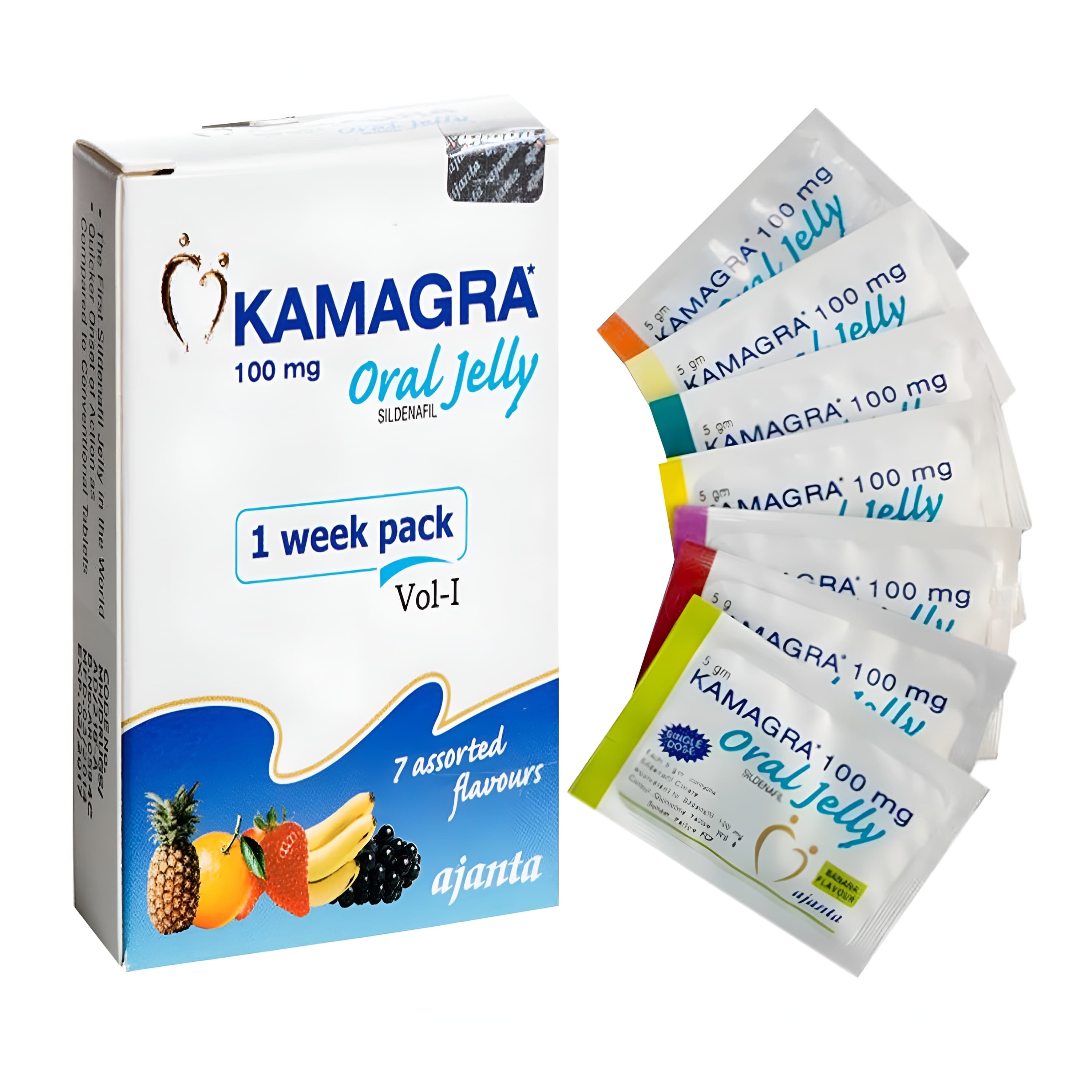
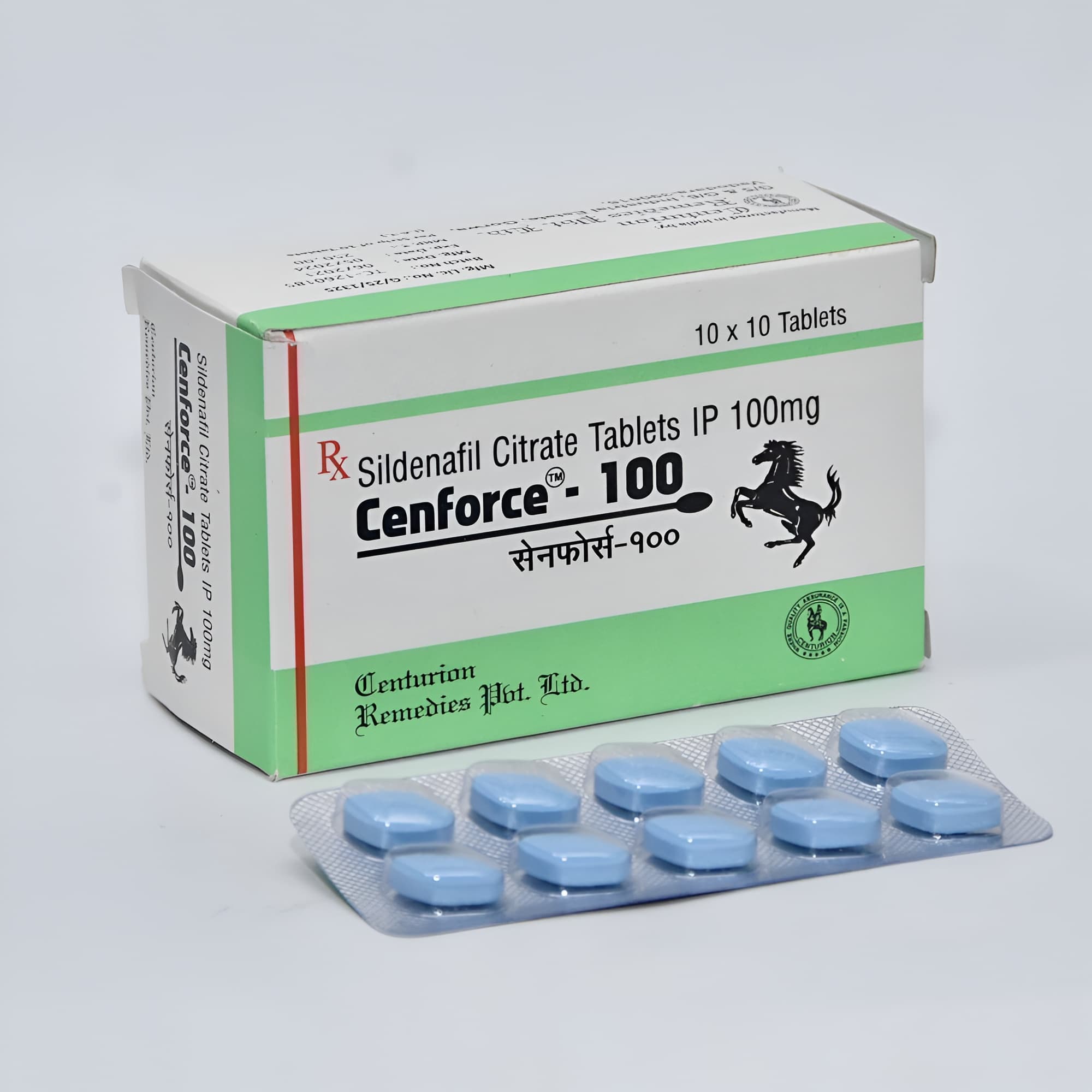
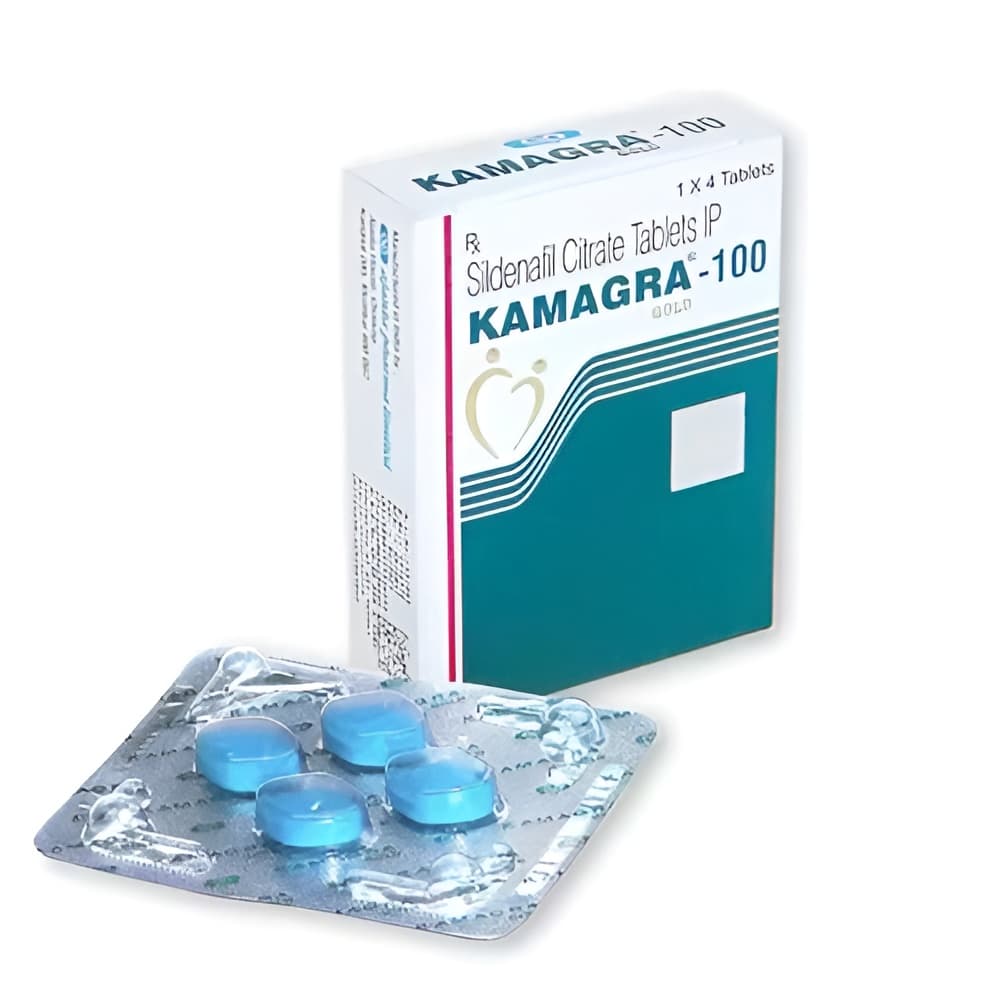
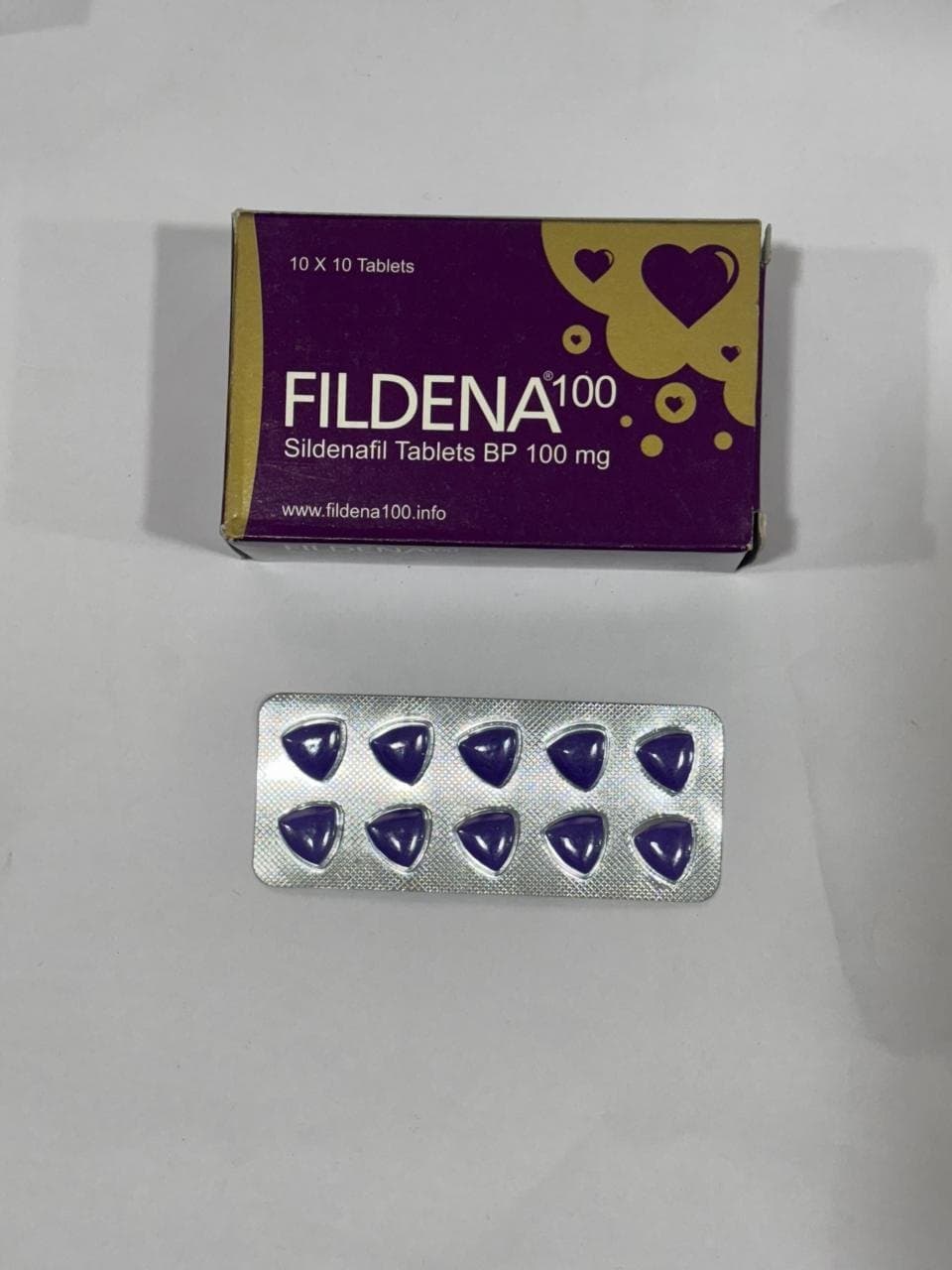
Genuine medicines from the guide above — discreetly delivered across the UK & Europe.
Related treatments
Browse the medicines and conditions related to this guide: