

Stress and Sexual Health: Breaking the Cycle
Summary
Stress lowers desire and makes erections harder, because its 'fight or flight' response works against the relaxed state an erection needs. Stress hormones add to the effect. After one difficult experience, worry can create a cycle of performance anxiety. Exercise, sleep, relaxation techniques, open communication and talking therapy help break it.
Last reviewed 21 June 2026 by the Kam4eu editorial team · Next review August 2027
How stress affects sexual function
Stress is one of the most common, and most underestimated, influences on sexual health. When you are under pressure, your body releases stress hormones and shifts into a state geared towards alertness rather than intimacy. This can lower desire, interfere with the relaxation needed for an erection, and leave little mental space for sex. Short bursts of stress are normal, but ongoing stress can have a lasting effect on both libido and erectile function.
The mind-body connection
An erection is not purely mechanical. It depends on a relaxed nervous system allowing blood to flow into the penis. Anxiety and stress activate the body's "fight or flight" response, which works against this process. This is why even men with healthy blood vessels can struggle with erections when stressed, and why psychological factors are a genuine and common cause of ED. Our erectile dysfunction explained page describes how physical and psychological factors interact.
Performance anxiety and the vicious cycle
A particularly common pattern is performance anxiety. After one or two difficult experiences, a man may begin to worry about whether it will happen again. That worry itself makes an erection less likely, which deepens the anxiety, creating a self-reinforcing cycle. Recognising this cycle is the first step to breaking it. Understanding that an occasional difficulty is normal, and not a sign of permanent failure, can relieve a great deal of pressure.
Stress, relationships and libido
Stress rarely stays contained. Work pressure, financial worry and poor sleep spill into relationships, reducing closeness and desire. Tension between partners can further lower libido, and unspoken worries about sex can add to the strain. Open, supportive conversation, focused on understanding rather than blame, often eases this and helps intimacy recover.
Practical ways to reduce the pressure
Managing stress benefits both your general and sexual health:
- Build regular physical activity into your week, as it lowers stress hormones
- Practise relaxation techniques such as breathing exercises or mindfulness
- Protect your sleep, since fatigue and stress feed each other
- Limit alcohol, which can worsen both mood and erections
- Make time for rest and activities you enjoy
- Consider talking therapies, which are effective for anxiety and stress
For performance anxiety specifically, psychosexual therapy or counselling can be very helpful, sometimes alongside other treatment.
Where ED treatments fit
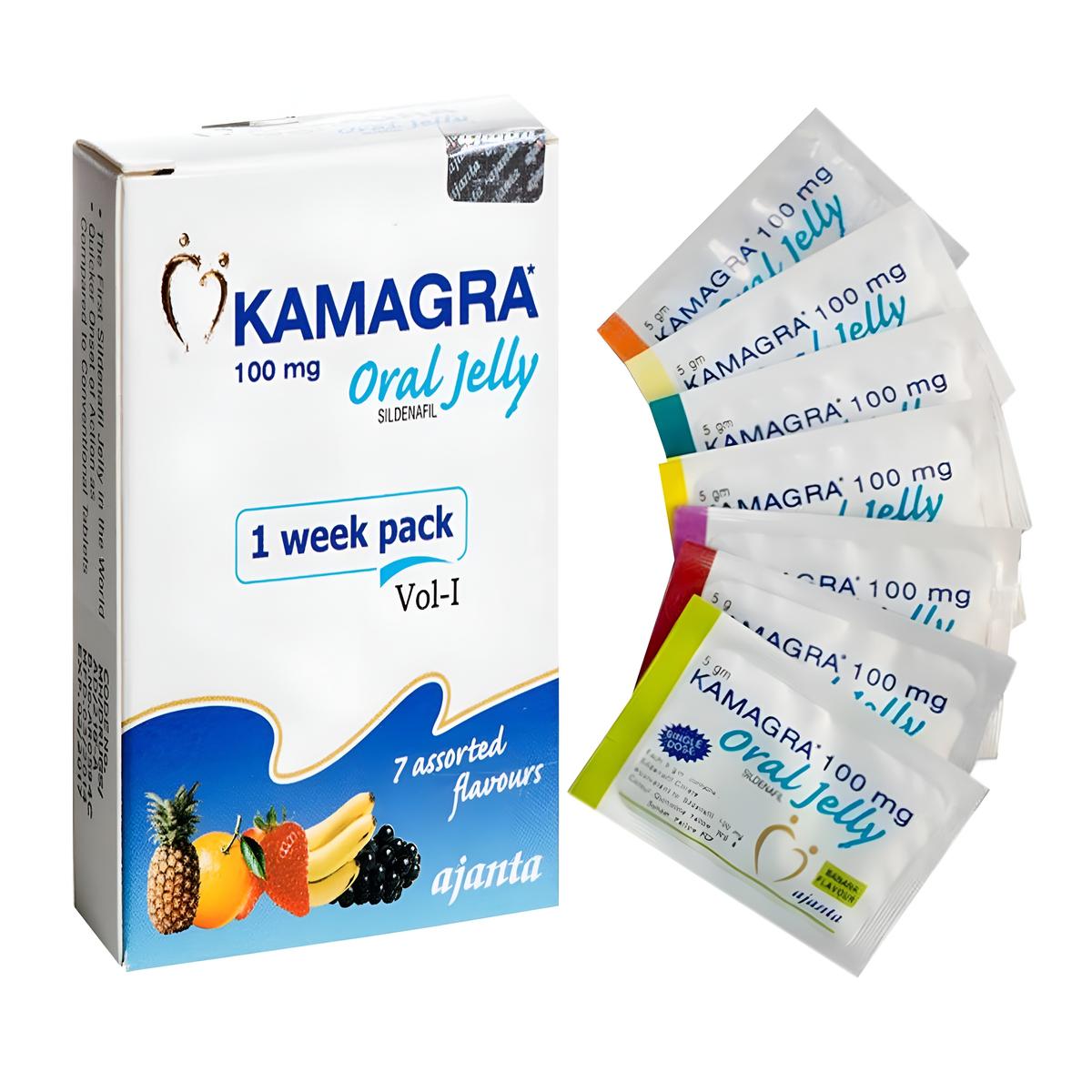
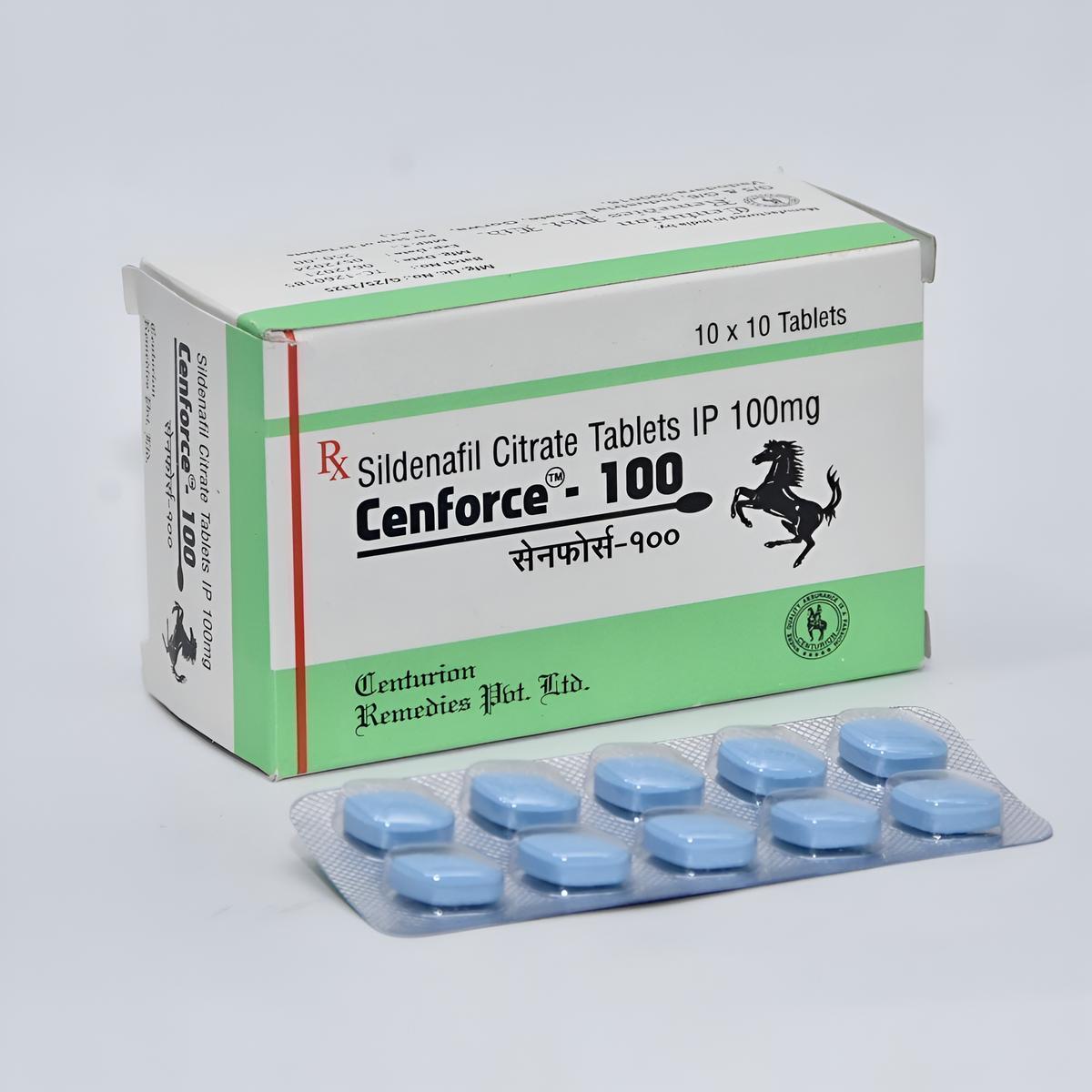
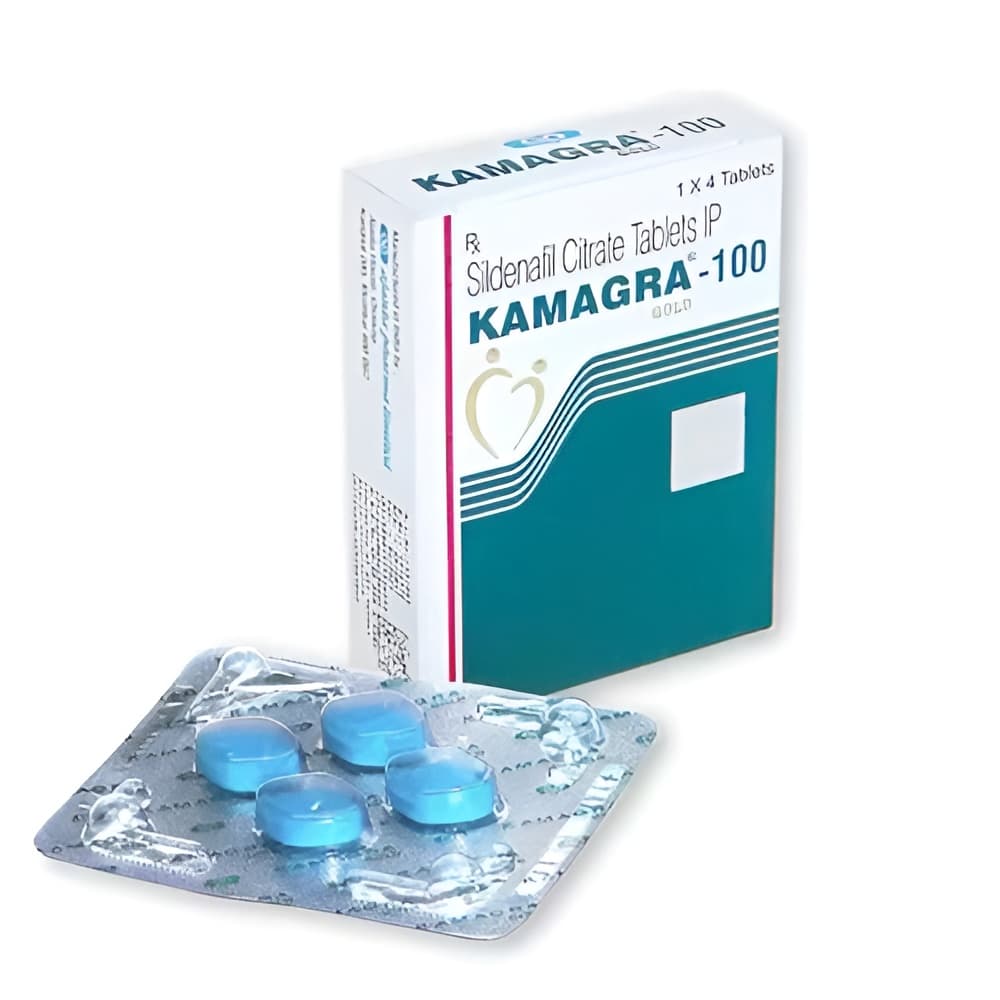
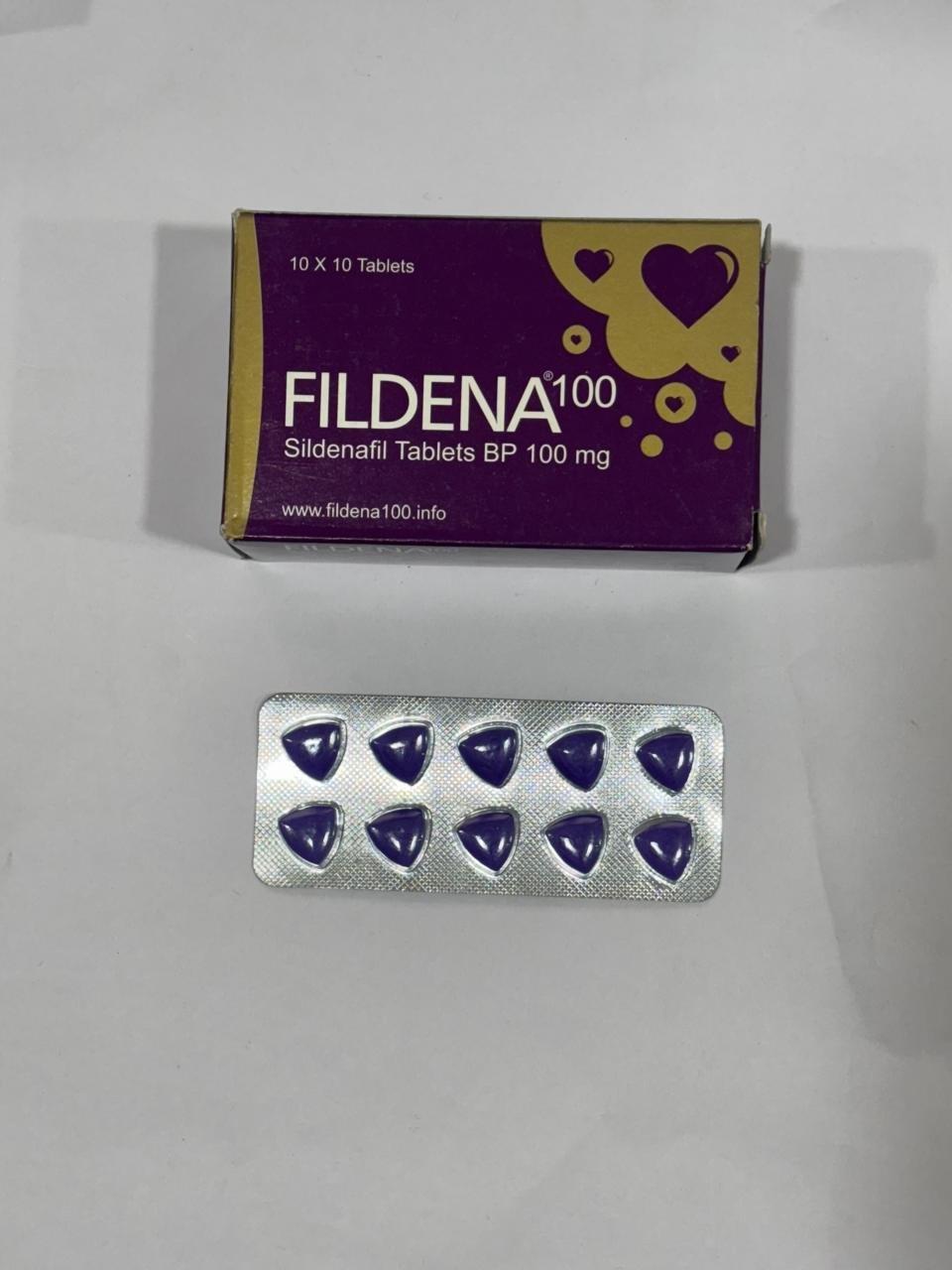
When stress-related erectile difficulties persist, a doctor may discuss PDE5 inhibitors such as sildenafil or tadalafil. By making a reliable erection more likely, these can help break the anxiety cycle and rebuild confidence, often used alongside psychological approaches. They are prescription medicines, must never be combined with nitrate medicines, and require assessment first. You can read our Sildenafil guide or compare options in Tadalafil vs Sildenafil, and view the erectile-dysfunction range if a treatment has been recommended.
When to seek support
If stress is persistently affecting your mood, sleep, relationships or sex life, it is worth speaking to a doctor. Stress and anxiety are highly treatable, and addressing them often improves several areas of life at once. There is no need to push through alone.
The takeaway
Stress and sexual health are deeply intertwined, and the cycle of worry and difficulty can be broken. A combination of stress management, honest communication and, where appropriate, medical support offers a realistic path forward. To explore our wider men's health range, you can shop all.
General information only — not medical advice. Always read the patient information leaflet and consult a doctor or pharmacist before starting any medication.
Frequently asked questions
Can stress cause erectile dysfunction?+
Yes. Stress and anxiety activate the body's fight-or-flight response, which works against the relaxation needed for an erection. Psychological factors are a common and genuine cause of ED, even in men with healthy blood vessels.
What is performance anxiety?+
Performance anxiety is worry about whether you will achieve or maintain an erection, which itself makes difficulty more likely and creates a self-reinforcing cycle. Recognising the pattern and reducing the pressure, sometimes with therapy, helps break it.
Can ED tablets help with stress-related erection problems?+
PDE5 inhibitors can make a reliable erection more likely, which often helps rebuild confidence and ease the anxiety cycle. They are usually most effective alongside stress management or psychological support, and require a doctor's assessment first.
Should I see a doctor about stress affecting my sex life?+
Yes, particularly if stress is persistently affecting your mood, sleep, relationships or erections. Stress and anxiety are highly treatable, and addressing them often improves several areas of health at once.
Official sources & further reading
Treatment options
Treatments discussed in this guide
Speak to a doctor and get a valid prescription before ordering. Discreet delivery across the EU & EEA.
Learn more about these medicines and conditions: