

Psychological vs Physical ED: How to Tell the Difference
Summary
Psychological erectile dysfunction usually comes and goes with the situation or partner and starts suddenly. Morning erections and erections during masturbation stay intact. Physical ED tends to develop gradually, happens in every situation and comes with fewer morning erections. Many men have a mix of both, so a doctor's assessment helps choose the right treatment.
Last reviewed 21 June 2026 by the Kam4eu editorial team · Next review August 2027
Why the cause matters
Erectile dysfunction (ED) can stem from physical factors, psychological factors, or, very often, a combination of both. Working out where the problem mainly lies helps guide the right treatment. The mind and body are closely linked when it comes to erections, so the distinction is not always clear-cut, but some patterns offer useful clues.
How an erection works
An erection involves the brain, nerves, hormones and blood vessels all working together. Arousal triggers nerve signals that increase blood flow to the penis, and the pelvic muscles help keep that blood in place. A problem anywhere in this chain, whether mental or physical, can cause ED. For a fuller explanation, see erectile dysfunction explained.
Signs of psychological ED
Psychological ED tends to be linked to the mind rather than the body's plumbing. Clues include:
- Erections that come and go depending on the situation or partner
- Still having firm morning erections
- Being able to get an erection during masturbation but not with a partner
- A sudden onset linked to stress, a life event or relationship change
- Strong performance anxiety
Common contributors include stress, anxiety, depression, relationship difficulties and pressure to perform. Performance anxiety can be self-reinforcing: worry about ED makes it more likely to happen.
Signs of physical ED
Physical ED usually develops more gradually and is more consistent. Clues include:
- A slow, steady decline in erectile function over time
- Difficulty in all situations, including on waking
- A reduction or loss of morning erections
- The presence of conditions such as diabetes, high blood pressure or heart disease
- Links to smoking, obesity, certain medicines or excess alcohol
Because physical ED can be an early sign of cardiovascular problems, this pattern is particularly worth investigating with a doctor.
The overlap
In reality, the two often coexist. A man with a mild physical cause may develop performance anxiety on top of it, making the problem worse. This is why a good assessment looks at both the body and the mind rather than assuming a single cause.
Getting the right help
A doctor can help untangle the causes by asking about your history, checking your general and cardiovascular health, and arranging tests where needed. Depending on the findings, options may include:
- For psychological ED: stress management, counselling, psychosexual therapy and open communication with a partner
- For physical ED: addressing underlying conditions, lifestyle changes and, where appropriate, medication
- For mixed ED: a combination of the above
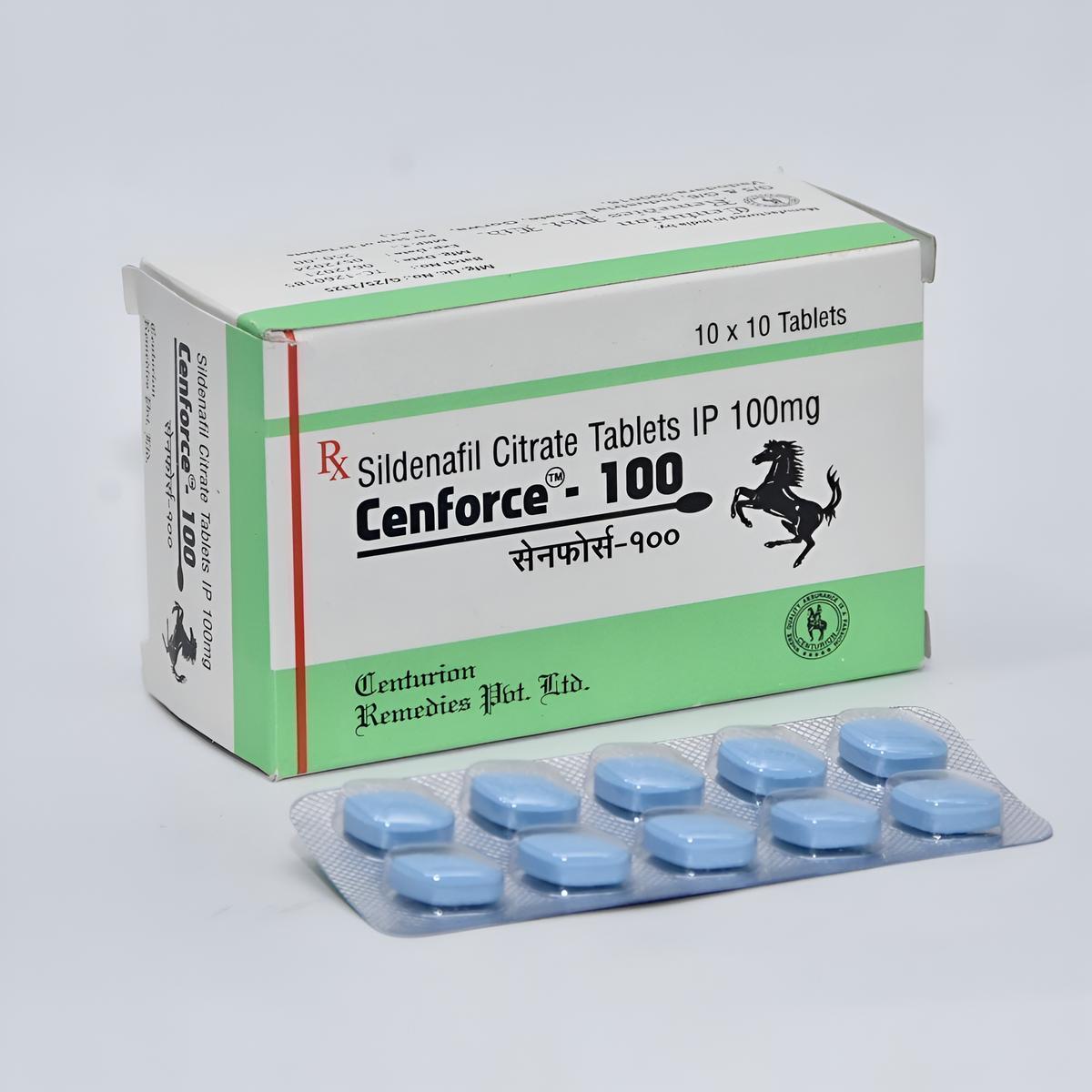
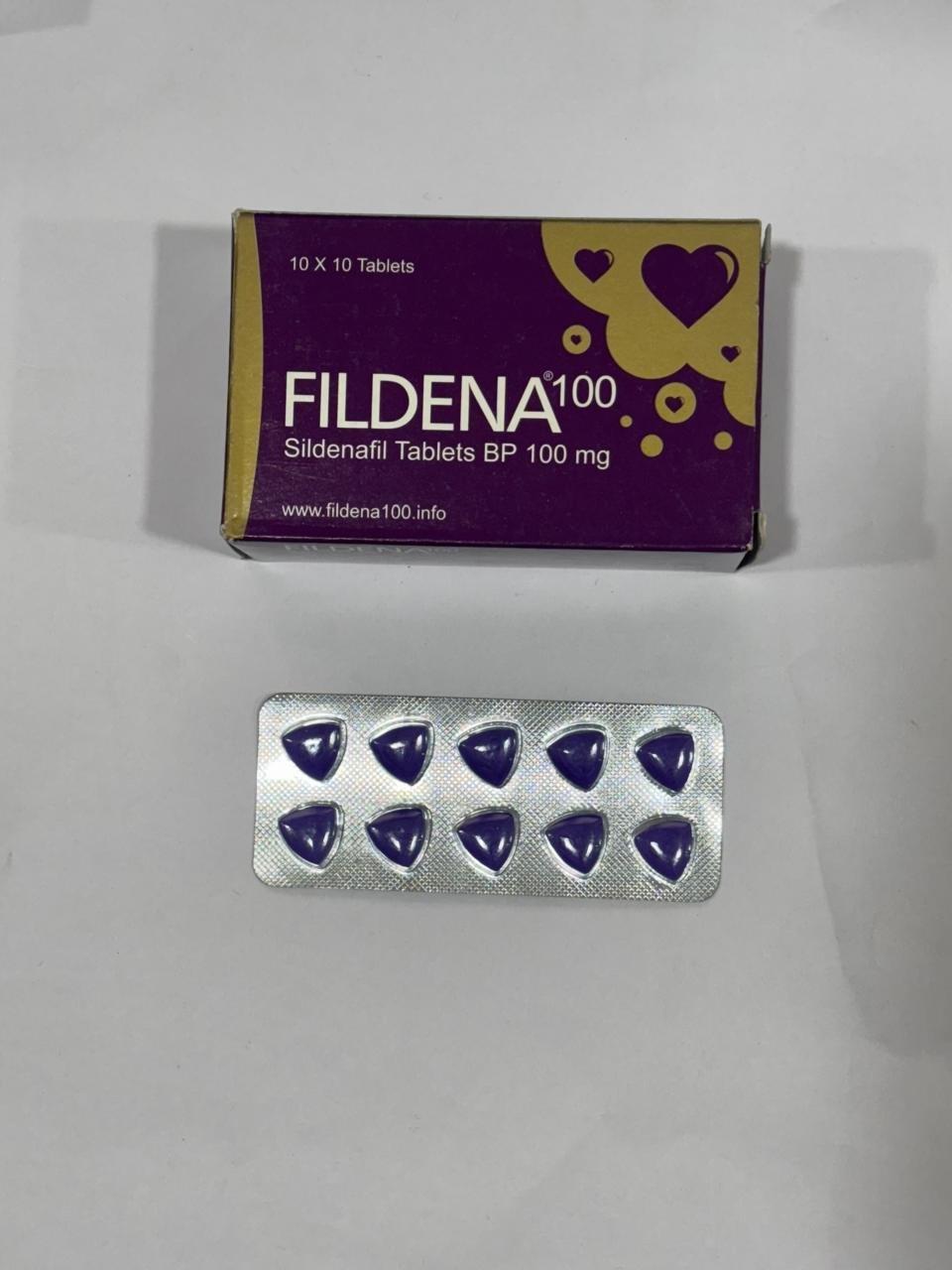
PDE5 inhibitors such as sildenafil or tadalafil are commonly used and improve blood flow during arousal, whatever the underlying cause. They can be especially helpful for breaking the cycle of performance anxiety by restoring confidence. These must never be combined with nitrate medicines, and you should always read the patient information leaflet. Compare options in Tadalafil vs Sildenafil or browse the erectile-dysfunction range.
The takeaway
Whether ED is mainly psychological, physical or both, it is common and treatable. Paying attention to the pattern of your symptoms can offer clues, but a proper assessment by a doctor or pharmacist is the best way to find the right path forward.
General information only — not medical advice. Always read the patient information leaflet and consult a doctor or pharmacist before starting any medication.
Frequently asked questions
How can I tell if my ED is psychological or physical?+
Psychological ED often varies by situation, comes on suddenly and spares morning erections, while physical ED tends to develop gradually and affect all situations including waking. The two frequently overlap, so a doctor's assessment is the most reliable way to tell.
If I still get morning erections, is my ED psychological?+
Often, yes. Having firm morning erections or erections during masturbation but not with a partner suggests the physical mechanism is working and points towards a psychological cause. A doctor can confirm this.
Can ED medication help with psychological ED?+
Yes. PDE5 inhibitors such as sildenafil or tadalafil improve blood flow during arousal and can help restore confidence, breaking the cycle of performance anxiety. They are often combined with counselling or therapy for the best results.
Should physical ED be investigated by a doctor?+
Yes. Physical ED can be an early sign of cardiovascular problems such as narrowed arteries, so a gradual, consistent loss of erections is worth investigating to protect your wider health.
Official sources & further reading
Treatment options
Treatments discussed in this guide
Speak to a doctor and get a valid prescription before ordering. Discreet delivery across the EU & EEA.


Learn more about these medicines and conditions: