

Premature Ejaculation: Causes, Treatment and Practical Tips
Summary
An overview of what premature ejaculation is, what causes it, how Dapoxetine works and the behavioural techniques that can help.
Reviewed by the Kam4eu Pharmacy Team on 20 June 2026 · Next review August 2027
What is premature ejaculation?
Premature ejaculation (PE) is when ejaculation happens sooner than a man or his partner would like, often with little sense of control, and on a regular basis. It is one of the most common sexual concerns in men and can affect any age group. An isolated occasion is not PE; the term applies when the pattern is persistent and causes frustration or distress.
PE is sometimes described as lifelong (present from early sexual experiences) or acquired (developing later after a period of normal control). Knowing which pattern applies can help a clinician suggest the most suitable approach.
What causes premature ejaculation?
There is rarely a single cause. Contributing factors are usually a blend of psychological and physical elements.
Psychological and emotional factors can include:
- Anxiety, including performance anxiety
- Stress or low mood
- Relationship tensions
- Early sexual experiences that set a fast pattern
Physical and biological factors can include:
- Differences in the body's serotonin signalling, which influences timing
- Hypersensitivity
- Prostate or hormonal issues in some cases
- An overlap with erectile dysfunction, where rushing to finish before losing an erection becomes a habit
Because PE and ED can occur together, it is worth mentioning both to a doctor if they apply.
Dapoxetine
Dapoxetine is a medicine developed specifically for premature ejaculation. It belongs to a group called selective serotonin reuptake inhibitors (SSRIs), but unlike SSRIs used for mood, it is short-acting and taken on demand a while before sex rather than every day. By adjusting serotonin activity, it can help extend the time to ejaculation and improve the sense of control for some men.
Dapoxetine is not right for everyone and can interact with other medicines, so reading the patient leaflet and speaking to a doctor or pharmacist first is important. They can confirm whether it is appropriate and explain what to expect.
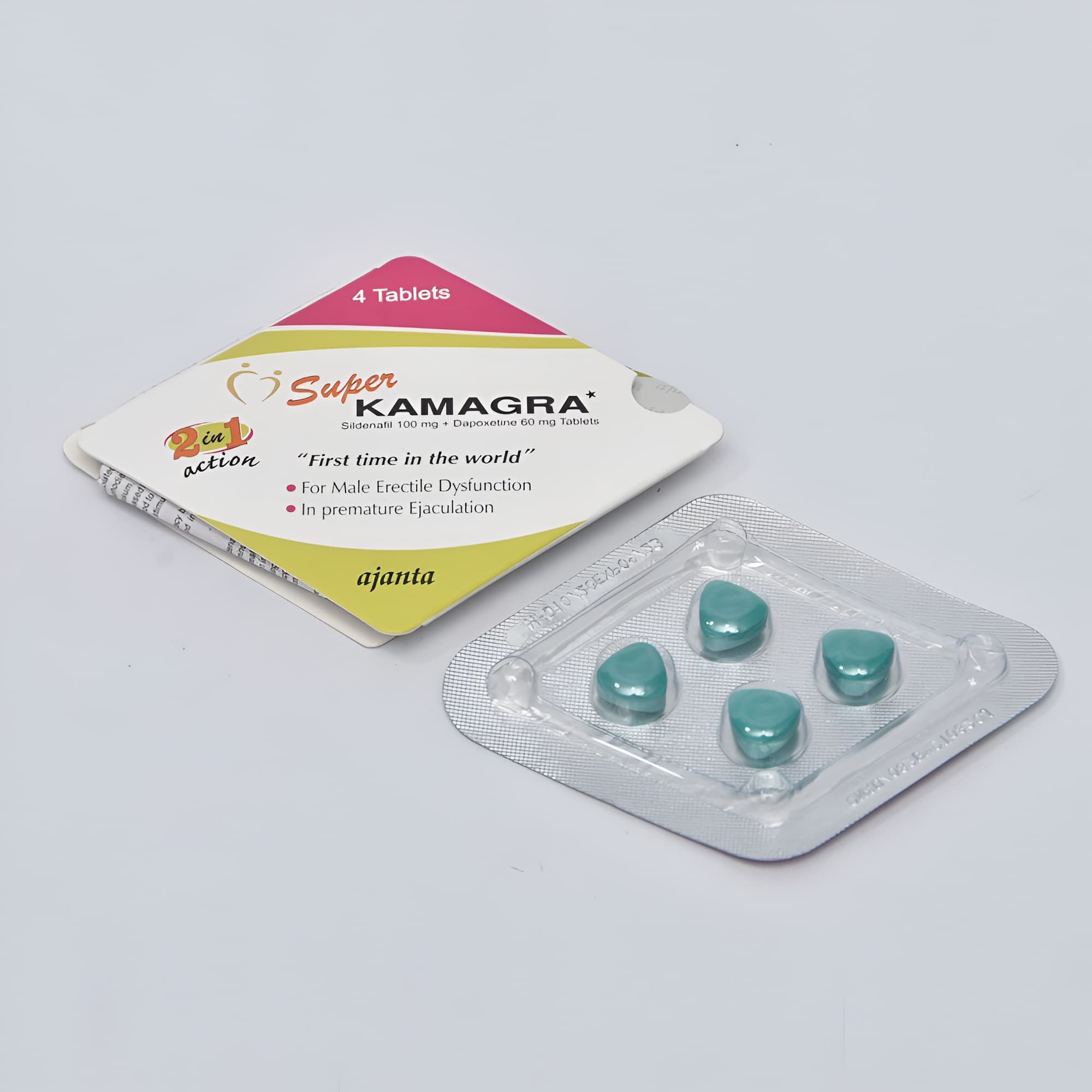
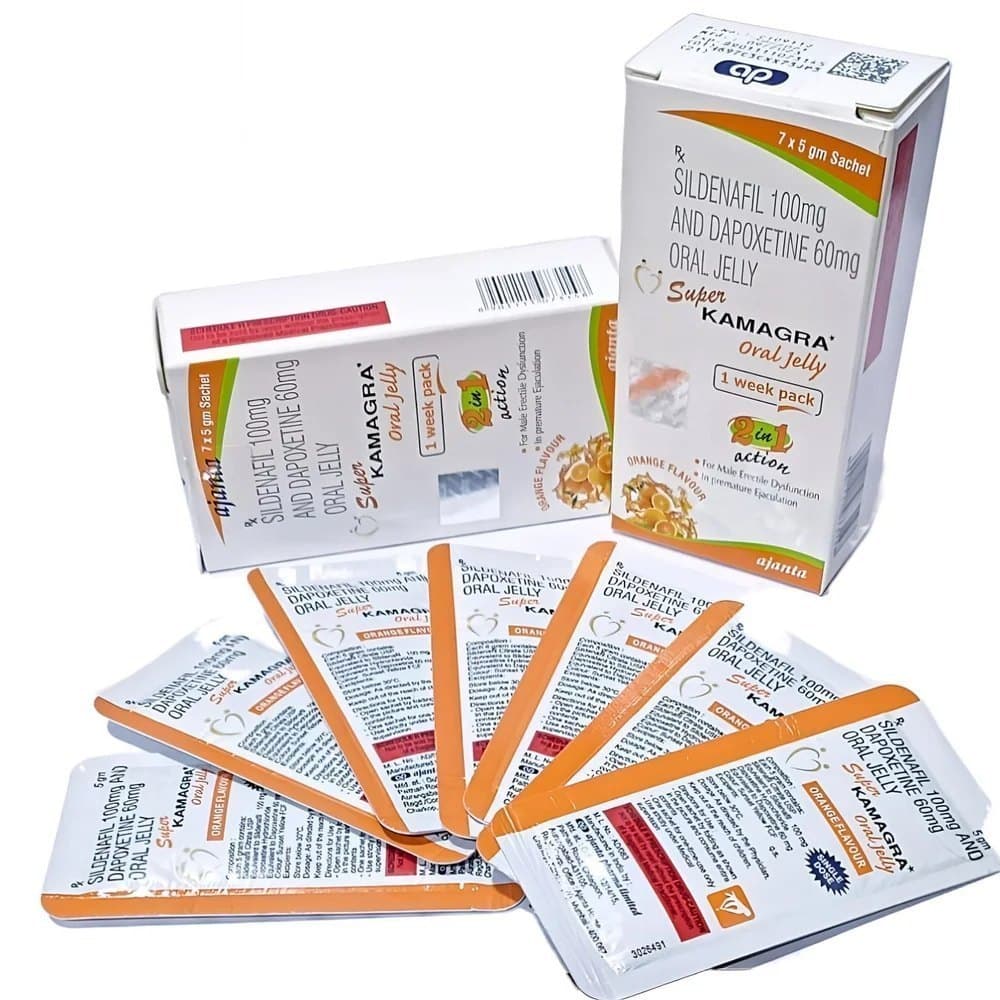
For men who experience both PE and erectile difficulties, combination products exist that pair an ED medicine with Dapoxetine. Our guide to Super Kamagra (Sildenafil and Dapoxetine) explains how that approach works.
Behavioural techniques
Medication is only one part of the picture. Several practical techniques can help, either alone or alongside treatment:
- The stop-start method — pausing sexual activity as you approach climax, then resuming once the urge settles, to build awareness and control.
- The squeeze technique — gently squeezing the head of the penis as you near climax to reduce arousal.
- Pelvic floor exercises — strengthening the muscles involved in ejaculation may improve control over time.
- Reducing performance pressure — slowing down, communicating openly with a partner, and focusing on the wider experience rather than a goal.
These methods take practice and patience, but many men find they help, particularly when anxiety is part of the picture.
When to seek help
Consider speaking to a doctor or pharmacist if PE is ongoing, is causing distress for you or your partner, or appears alongside erectile difficulties. A clinician can rule out underlying causes and discuss options ranging from behavioural approaches to medication. You may also find it useful to read more about related concerns across the erectile dysfunction range.
PE is common and treatable, and seeking advice is a practical step rather than something to feel embarrassed about.
General information only — not medical advice. Always read the patient information leaflet and consult a doctor or pharmacist before starting any medication.
Mentioned in this guide
Shop the treatments covered here
Genuine medicines from the guide above — discreetly delivered across the UK & Europe.
Related treatments
Browse the medicines and conditions related to this guide: