

Pain-O-Soma for Muscle Pain: Short-Term Relief, Used Carefully
Summary
Pain-O-Soma is carisoprodol, a muscle relaxant for short-term relief of acute muscle strains and spasms, usually alongside rest and physiotherapy. It acts on the nervous system rather than the muscle. Courses are short, usually no more than a couple of weeks, because dependence and tolerance can develop. It causes drowsiness, so avoid alcohol and driving.
Last reviewed 21 June 2026 by the Kam4eu editorial team · Next review August 2027
What Pain-O-Soma is
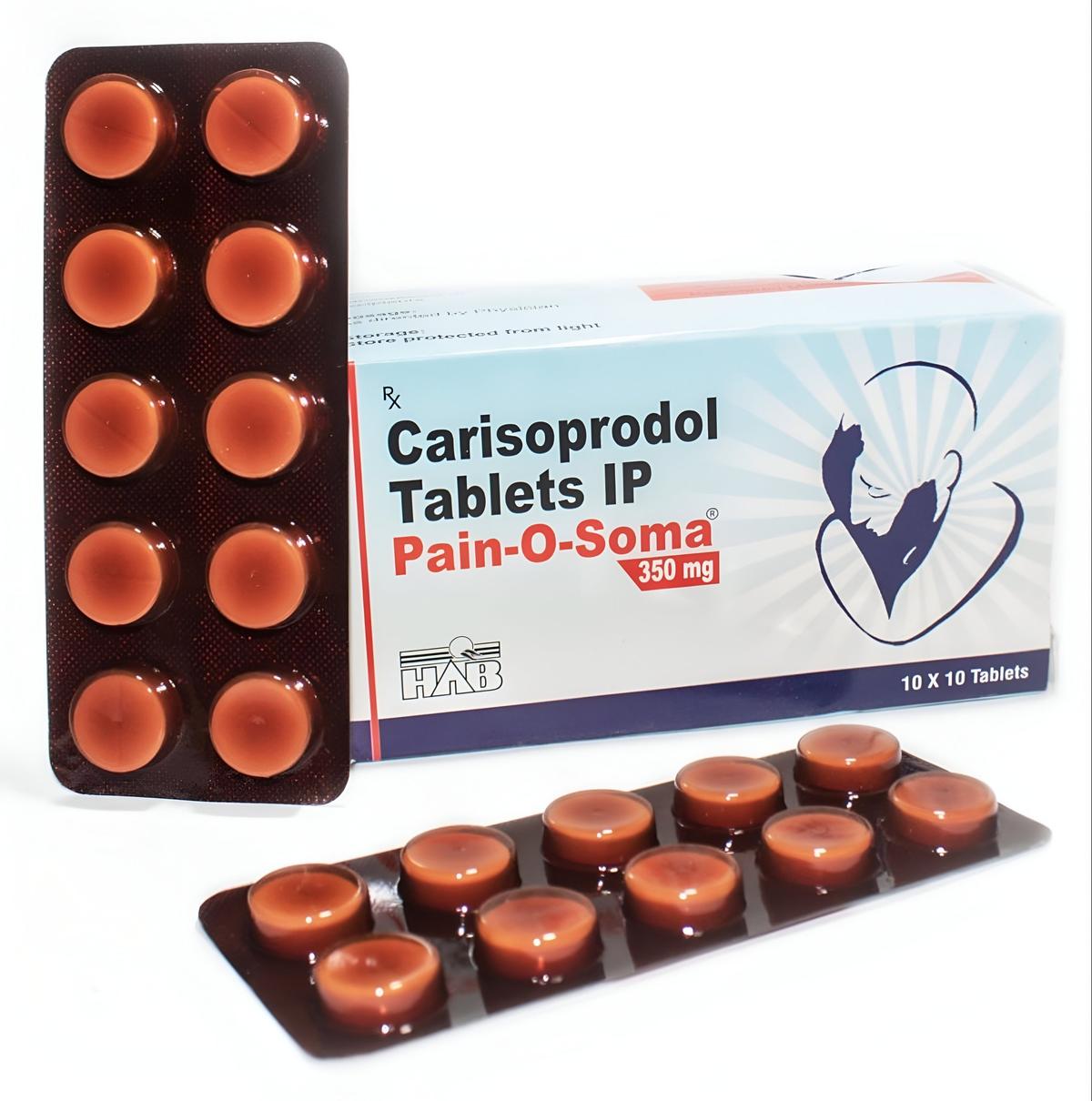
Pain-O-Soma is a brand name for carisoprodol, a muscle relaxant. It is used for the short-term relief of discomfort linked to acute, painful muscle conditions such as strains and spasms. It is usually combined with rest, physiotherapy, and other measures rather than used on its own.
EU regulatory status: in November 2007 the European Medicines Agency's medicines committee (CHMP) recommended suspending the marketing authorisations of all carisoprodol medicines throughout the EU, concluding that the risks — abuse and addiction, intoxication and psychomotor impairment — outweigh the benefits, and that alternatives seem as effective with a better safety profile. The European Commission issued its decision in February 2008 (EMA: carisoprodol referral).
Carisoprodol does not act directly on the muscle. Instead, it works on the central nervous system to reduce the sensation of muscle pain and the spasm that often accompanies an injury.
Why it is short-term only
This is the central message about carisoprodol: it is intended for short courses, usually no more than two to three weeks. There are clear reasons for this:
- Most acute muscle pain settles within a couple of weeks anyway.
- Carisoprodol can cause dependence, and the risk grows with longer use.
- Tolerance can develop, reducing its effect over time.
If muscle pain lasts beyond a short period, that is a signal to return to your doctor to look for an underlying cause rather than to continue the medicine indefinitely.
Sedation and daily activities
Carisoprodol commonly causes drowsiness and can affect coordination and judgement. Because of this:
- Do not drive or operate machinery until you know how it affects you.
- Avoid alcohol, which greatly increases sedation.
- Take particular care combining it with other sedating medicines, including some painkillers, sleep aids, and antihistamines.
Older adults can be especially sensitive and may be at greater risk of falls.
Other side effects
Reported side effects include:
- Dizziness
- Headache
- Nausea
- A feeling of lightheadedness when standing
Rarely, more serious reactions can occur. Seek medical help if you experience a severe allergic reaction, marked confusion, or difficulty breathing.
Dependence and stopping
With regular use over time, the body can become dependent on carisoprodol, and stopping suddenly may cause withdrawal effects such as anxiety, insomnia, and tremor. If you have taken it for more than a short period, ask your doctor how to stop safely rather than stopping abruptly.
Keep the medicine to yourself, take it only as prescribed, and tell your doctor if you feel you are relying on it.
Who should be cautious
Share your full history with your doctor or pharmacist, particularly if you have:
- A history of drug or alcohol misuse
- Liver or kidney problems
- Epilepsy or seizures
- A history of porphyria
If you are pregnant, planning pregnancy, or breastfeeding, seek advice before use.
A wider plan for muscle pain
Medication is only part of recovery. For most muscle injuries, gentle movement as comfort allows, gradual return to activity, heat or cold as advised, and good posture all support healing. Persistent or worsening pain, numbness, or weakness should always be assessed.
For related products see our pain range, or browse shop all. Carisoprodol can help during a difficult acute episode, but it works best as a brief, supervised part of recovery, not a long-term fix.
General information only — not medical advice. Always read the patient information leaflet and consult a doctor or pharmacist before starting any medication.
Official sources & further reading
Treatment options
Treatments discussed in this guide
Speak to a doctor and get a valid prescription before ordering. Discreet delivery across the EU & EEA.
Learn more about these medicines and conditions: