

Erectile dysfunction in your 30s and 40s: causes and what to do
Summary
Summary: ED in younger men is more common than most realise and is often driven by stress, anxiety, lifestyle and sometimes early vascular changes. It's very treatable — but because it can be an early health signal, a check-up matters. Korean data shows ED rises steadily with age but affects younger men too.
Reviewed by the Kam4eu Pharmacy Team on 28 July 2026 · Next review June 2027
Erectile difficulty isn't only an older man's issue. Korean epidemiological research shows ED prevalence climbs with age but is far from absent in the 30s and 40s. The causes in younger men differ, and — importantly — new ED can be an early health signal worth acting on. Here's what to know.
How common is it, really?
More common than the silence suggests. Large studies — including Korean population research in The Journal of Sexual Medicine — find meaningful rates of ED in men under 40, and much of it goes unspoken. If it's happening to you, you are genuinely not alone, and that matters because embarrassment is the main barrier to a quick fix.
The usual causes in younger men
Psychological factors lead: performance anxiety, stress, depression, and relationship pressure. Lifestyle follows: smoking, heavy drinking, poor sleep, obesity and lack of exercise. Pornography-related expectations and anxiety also feature. Medications (some antidepressants, blood-pressure drugs) can contribute.
Why a check-up matters
Here's the important part: in younger men, new ED can be an early marker of vascular or metabolic problems — the blood-vessel changes behind future heart disease or diabetes often show up here first. That's not a scare; it's an opportunity. A simple check of blood pressure, blood sugar and cholesterol is worth doing.
What actually helps
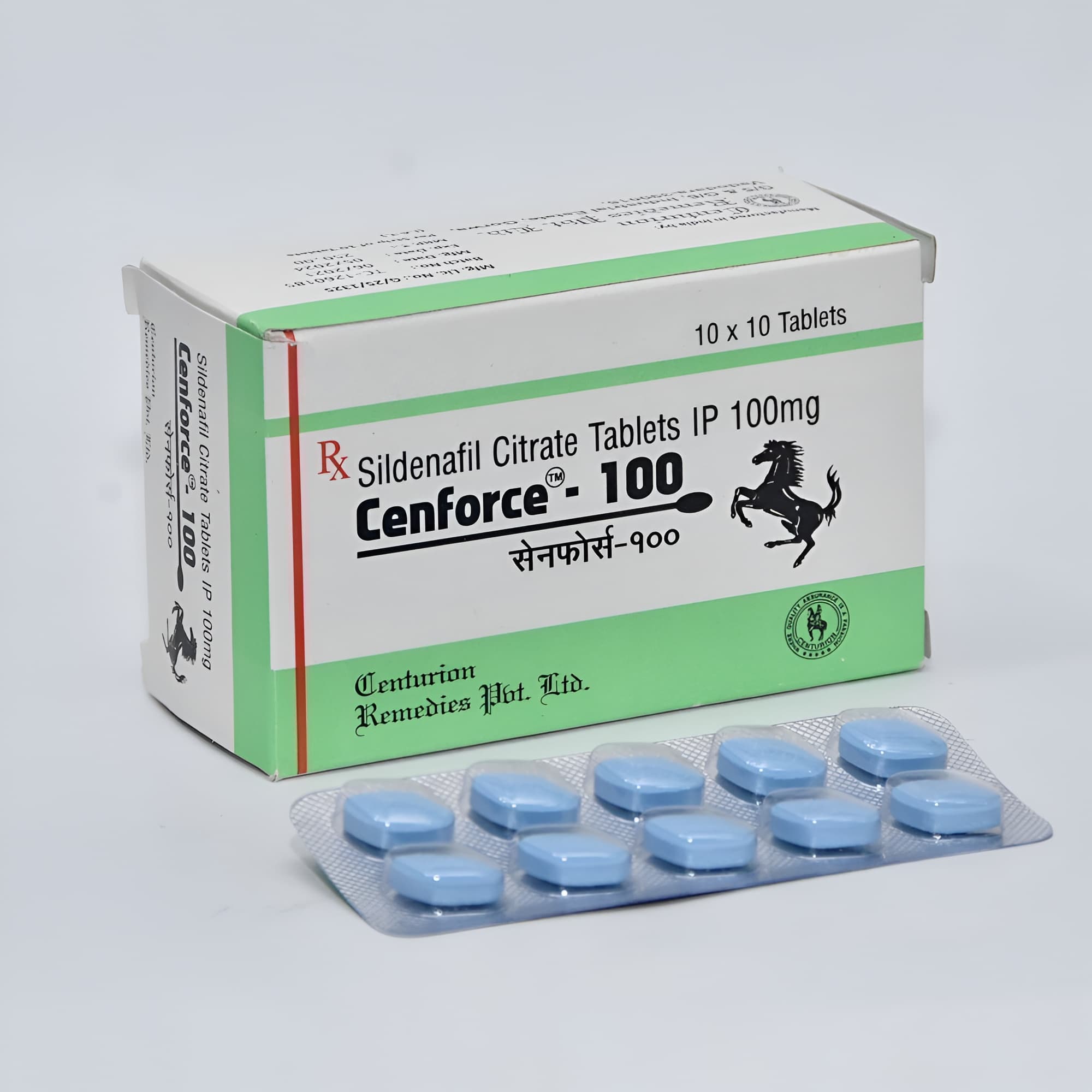
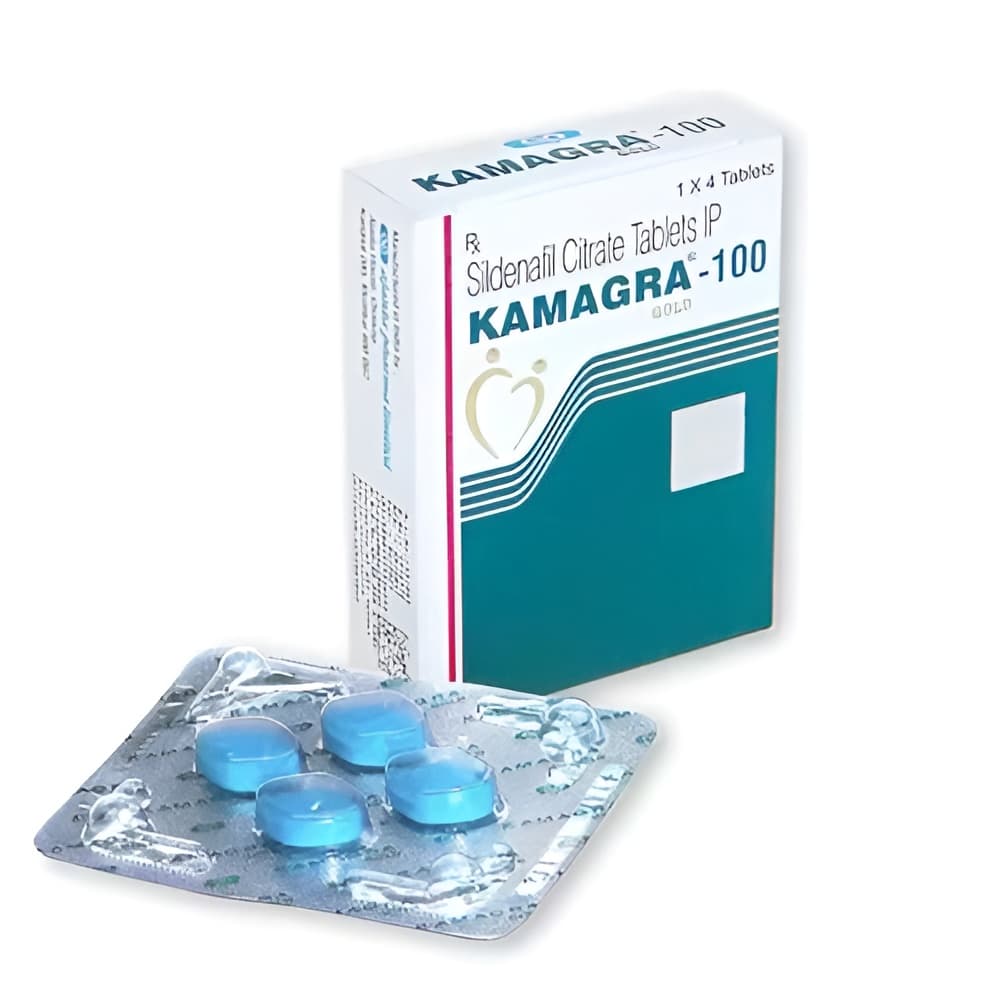
Lifestyle changes genuinely move the needle at this age — exercise, better sleep, less alcohol, quitting smoking. For immediate help, sildenafil (Kamagra, Cenforce) is effective and works with arousal; tadalafil suits spontaneity. And because anxiety is such a big driver in younger men, reducing performance pressure is often as powerful as any tablet.
The reassuring bottom line
ED in your 30s and 40s is common, usually very treatable, and frequently tied to fixable factors. Address the lifestyle and anxiety, use a proven medicine if you want immediate confidence, and get the quick health check — see which medicine is best for sex.
References & research
- Diagnosis and Treatment of Premature Ejaculation by Urologists in South Korea — World Journal of Men's Health (Prof. Lee et al., Samsung Medical Center, Sungkyunkwan University, Seoul) — Korean clinical practice on PE diagnosis and treatment.
- Prevalence and Risk Factors for Erectile Dysfunction in Korean Men — The Journal of Sexual Medicine (Ahn et al.) — large Korean epidemiological study.
- NHS: Sildenafil — uses, dosage, safety · Goldstein I, et al. NEJM 1998 · PDE5 inhibitors — StatPearls
General information, not medical advice. Consult a healthcare professional before starting any medication.
Key points to remember
- How common is it, really?: More common than the silence suggests. Large studies — including Korean population research in The Journal of Sexual Medicine — find meaningful rates of ED in men under 40, and much of it goes unspoken.
- The usual causes in younger men: Psychological factors lead: performance anxiety, stress, depression, and relationship pressure. Lifestyle follows: smoking, heavy drinking, poor sleep, obesity and lack of exercise.
- Why a check-up matters: Here's the important part: in younger men, new ED can be an early marker of vascular or metabolic problems — the blood-vessel changes behind future heart disease or diabetes often show up here first. That's not a scare; it's an opportunity.
- What actually helps: Lifestyle changes genuinely move the needle at this age — exercise, better sleep, less alcohol, quitting smoking. For immediate help, sildenafil (Kamagra, Cenforce) is effective and works with arousal; tadalafil suits spontaneity.
- The reassuring bottom line: ED in your 30s and 40s is common, usually very treatable, and frequently tied to fixable factors. Address the lifestyle and anxiety, use a proven medicine if you want immediate confidence, and get the quick health check — see which medicine is best for sex.
- References & research: - Diagnosis and Treatment of Premature Ejaculation by Urologists in South Korea — World Journal of Men's Health (Prof. Lee et al., Samsung Medical Center, Sungkyunkwan University, Seoul) — Korean clinical practice on PE diagnosis and treatment.
Common questions
Is it normal to have ED in your 30s?
It's more common than most men realise — large studies (including Korean population research) find meaningful rates under 40. It's usually very treatable, and often linked to stress, anxiety or lifestyle rather than a permanent problem.
What causes ED in younger men?
Mostly psychological (performance anxiety, stress, depression) and lifestyle factors (smoking, alcohol, poor sleep, weight), sometimes medication side effects, and occasionally early vascular changes — which is why a check-up matters.
Should a young man with ED see a doctor?
Yes — new ED can be an early sign of vascular or metabolic issues, so a simple check of blood pressure, sugar and cholesterol is worthwhile. It's also the fastest route to the right treatment.
Can ED in your 30s be reversed?
Often, yes — addressing lifestyle and anxiety frequently restores function, and proven medicines help in the meantime. It's one of the more reversible forms of ED.
References & further reading
- NHS: Sildenafil (Viagra) — uses, dosage, side effects — official UK guidance on the active ingredient.
- Goldstein I, et al. NEJM 1998 — the pivotal sildenafil trial — lead-authored by Dr. Irwin Goldstein (San Diego Sexual Medicine).
- Phosphodiesterase 5 Inhibitors — StatPearls, NCBI Bookshelf — clinical pharmacology reference.
This article is general information, not medical advice. Always consult a healthcare professional before starting any medication.
Frequently asked questions
Is it normal to have ED in your 30s?+
It's more common than most men realise — large studies (including Korean population research) find meaningful rates under 40. It's usually very treatable, and often linked to stress, anxiety or lifestyle rather than a permanent problem.
What causes ED in younger men?+
Mostly psychological (performance anxiety, stress, depression) and lifestyle factors (smoking, alcohol, poor sleep, weight), sometimes medication side effects, and occasionally early vascular changes — which is why a check-up matters.
Should a young man with ED see a doctor?+
Yes — new ED can be an early sign of vascular or metabolic issues, so a simple check of blood pressure, sugar and cholesterol is worthwhile. It's also the fastest route to the right treatment.
Can ED in your 30s be reversed?+
Often, yes — addressing lifestyle and anxiety frequently restores function, and proven medicines help in the meantime. It's one of the more reversible forms of ED.
Mentioned in this guide
Shop the treatments covered here
Genuine medicines from the guide above — discreetly delivered across the UK & Europe.

Related treatments
Browse the medicines and conditions related to this guide: