

ED and Relationships: Navigating Intimacy Together
Summary
Erectile dysfunction affects both partners: silence leaves the man feeling inadequate and the partner feeling undesired. Performance anxiety then worsens the problem. Talking at a calm moment, using 'we' language and reassuring each other about attraction break that cycle. Keeping intimacy broader than intercourse, and seeking treatment or counselling together, also helps.
Last reviewed 21 June 2026 by the Kam4eu editorial team · Next review August 2027
More than a physical issue
Erectile dysfunction (ED) rarely affects just one person. When it appears in a relationship, it can stir up anxiety, frustration and misunderstanding for both partners. The good news is that, handled openly, ED can be managed and even bring couples closer. The biggest obstacle is often silence, not the condition itself.
How ED can strain a relationship
When ED goes unspoken, both partners may draw the wrong conclusions:
- The man may feel inadequate, anxious or ashamed
- His partner may wonder if they are no longer desired
- Avoiding intimacy can be misread as rejection
- Performance anxiety can make the problem worse, creating a cycle
This emotional knock-on effect is why ED is often described as a couple's issue. Understanding the basics together can help; our erectile dysfunction explained guide is a good starting point to read side by side.
Opening up the conversation
Talking about ED is daunting, but a few principles help:
- Choose a calm moment, not the bedroom in the heat of the moment.
- Use 'we' language, framing it as a shared challenge.
- Reassure your partner that attraction and love are not the issue.
- Listen as well as talk, since both of you may have unspoken worries.
A partner's support can dramatically reduce performance anxiety and make seeking treatment feel less daunting.
Keeping intimacy alive
Sex is only one part of intimacy. While working through ED, couples can nurture closeness in other ways:
- Physical affection such as touch, massage and cuddling
- Focusing on pleasure rather than performance
- Exploring intimacy without pressure for a particular outcome
- Spending quality time together to rebuild connection
Taking the pressure off performance often helps erections return naturally, especially when anxiety is a factor.
Tackling the cause together
ED has many possible causes, both physical and psychological, and they often overlap. Encouraging your partner to see a doctor is supportive, not pushy, particularly because ED can be an early sign of cardiovascular issues worth investigating. A doctor can look at the whole picture and suggest options.
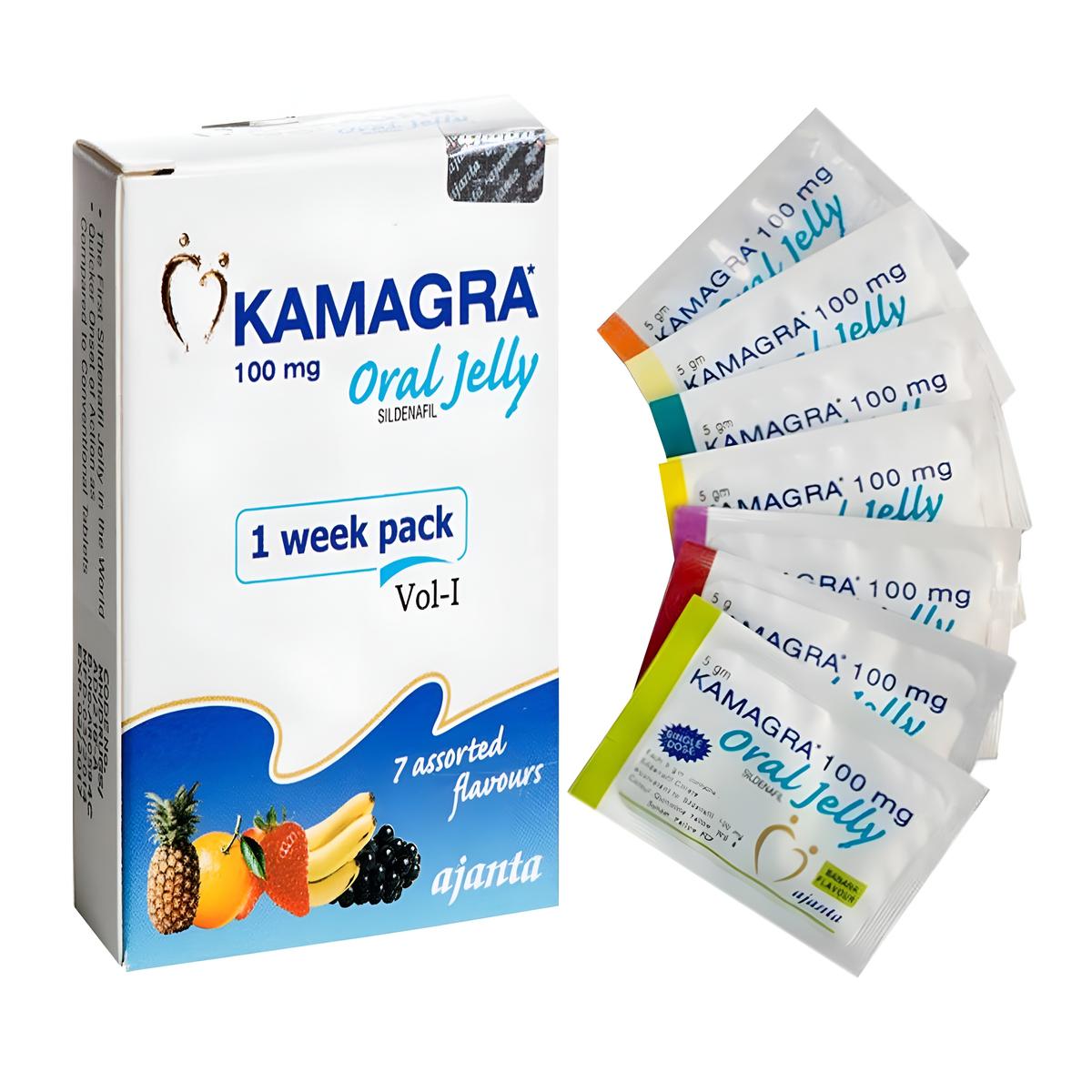
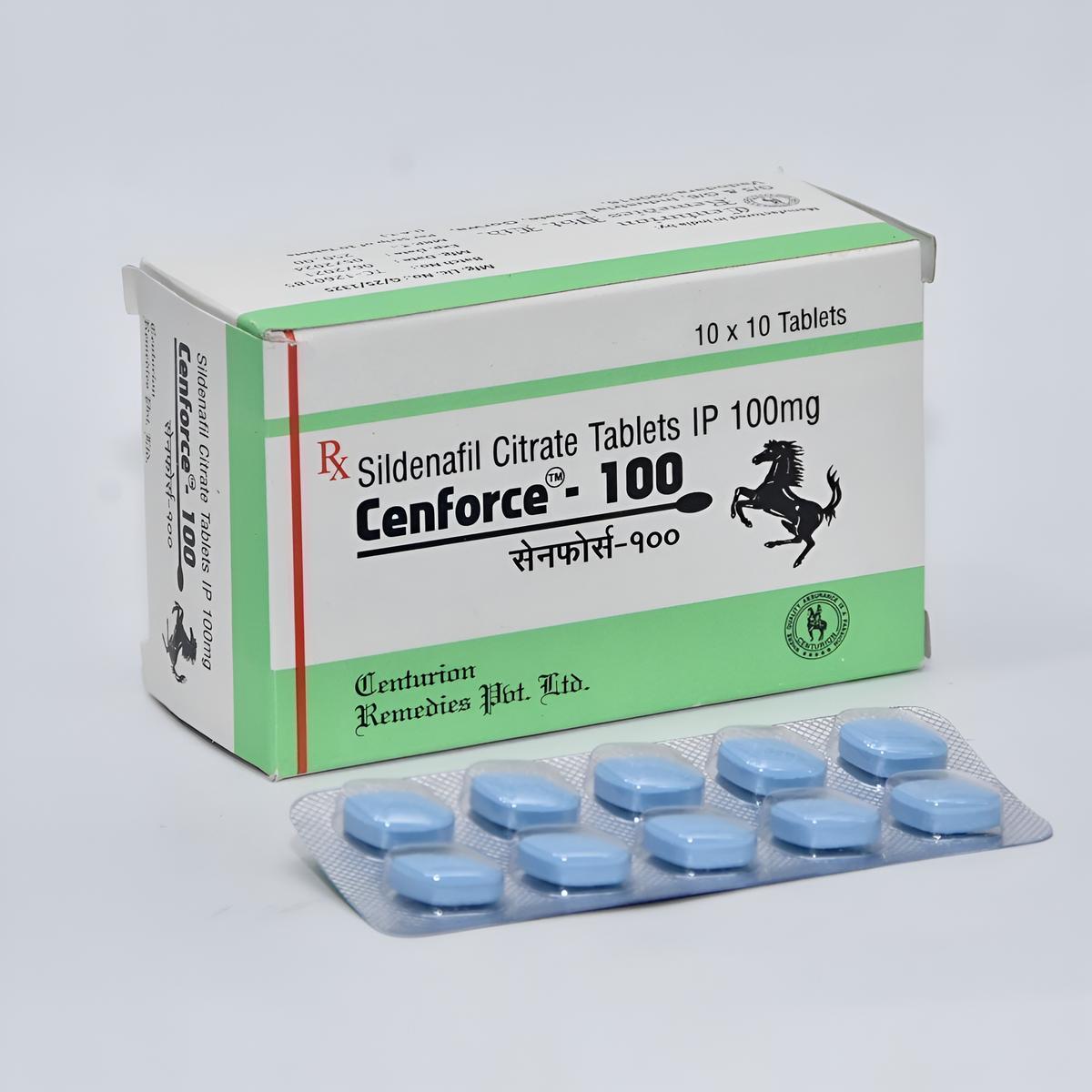
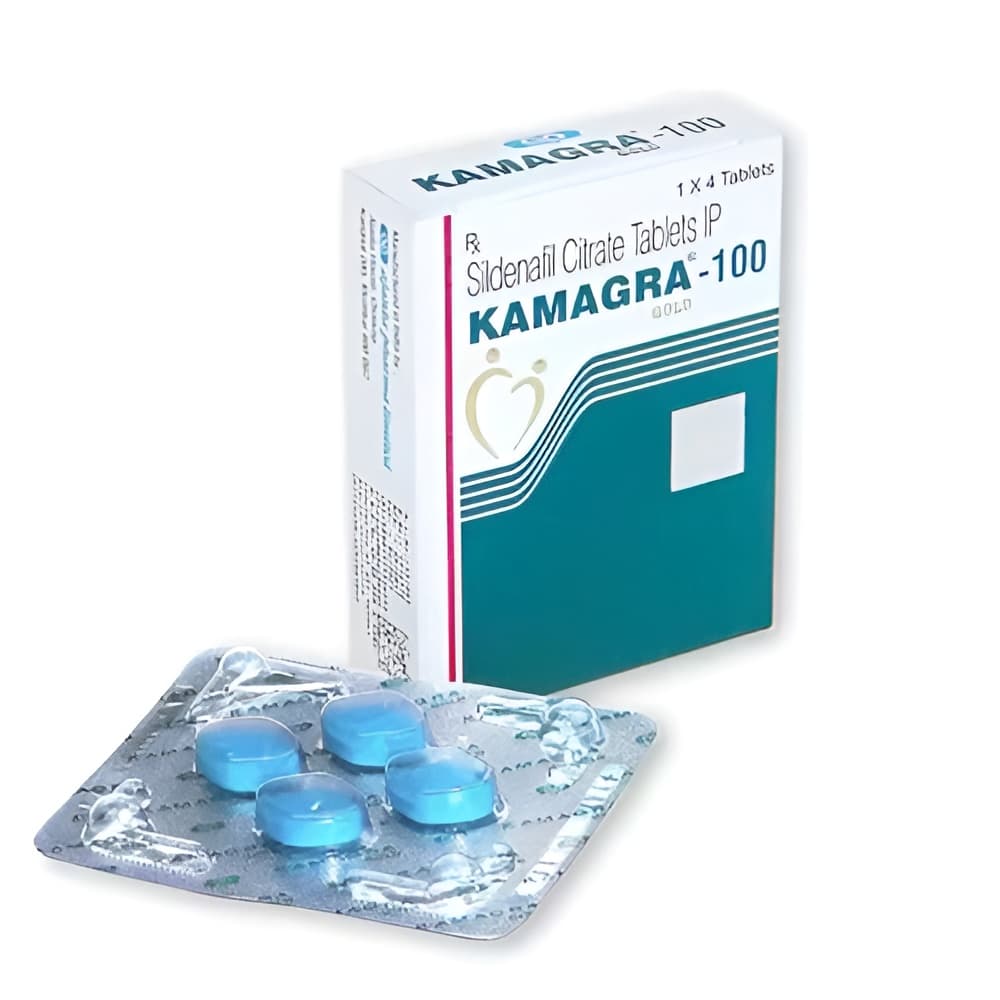
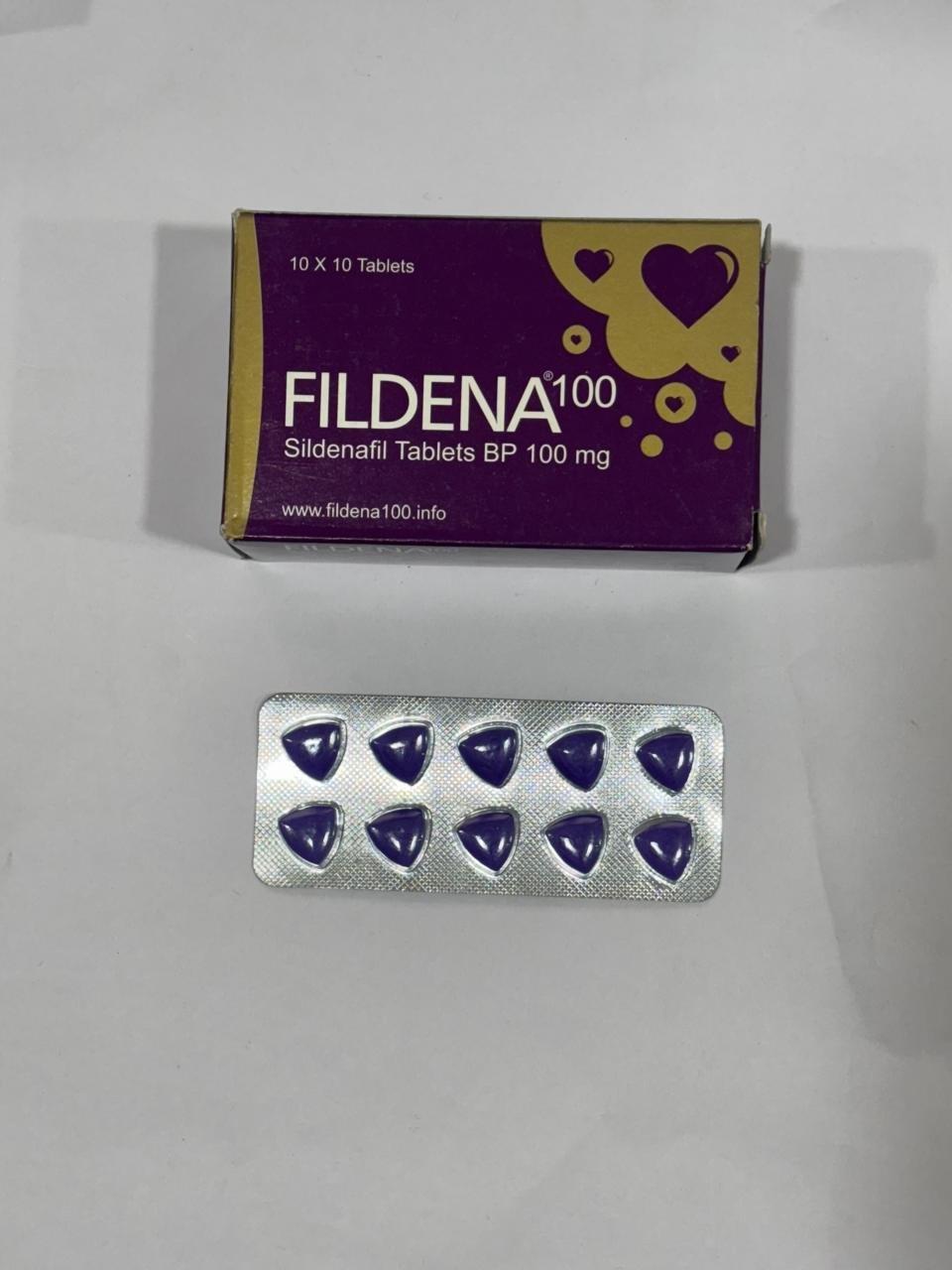
If treatment is appropriate, PDE5 inhibitors such as sildenafil or tadalafil are common choices that improve blood flow during arousal. They work best alongside arousal and open communication, not as a replacement for intimacy. These should never be combined with nitrate medicines, and the patient information leaflet should always be read first. You can compare options in Tadalafil vs Sildenafil or browse the erectile-dysfunction range.
When to seek extra support
Sometimes professional help beyond medication is valuable. Relationship counselling or psychosexual therapy can help couples who feel stuck, especially when anxiety, past experiences or communication breakdowns are involved. Seeking this kind of support is a sign of strength, not failure.
A shared journey
ED can test a relationship, but it can also deepen trust when partners face it as a team. With honest conversation, patience and the right medical advice, most couples find their way back to a satisfying intimate life.
General information only — not medical advice. Always read the patient information leaflet and consult a doctor or pharmacist before starting any medication.
Frequently asked questions
How do I talk to my partner about erectile dysfunction?+
Choose a calm, private moment outside the bedroom, use 'we' language to frame it as a shared challenge, and reassure your partner that attraction is not the problem. Listening to their worries is just as important as sharing your own.
Can relationship problems cause ED?+
Yes. Stress, conflict, anxiety and communication breakdowns can all contribute to ED, and the resulting performance anxiety can make it worse. Addressing the relationship alongside any physical causes often helps.
Does ED mean my partner is no longer attracted to me?+
Usually not. ED has many physical and psychological causes unrelated to attraction. Open conversation helps prevent this common and painful misunderstanding.
Should couples consider counselling for ED?+
Relationship counselling or psychosexual therapy can be very helpful, especially when anxiety, past experiences or communication issues are involved. It works well alongside any medical treatment.
Official sources & further reading
Treatment options
Treatments discussed in this guide
Speak to a doctor and get a valid prescription before ordering. Discreet delivery across the EU & EEA.
Learn more about these medicines and conditions: