

Zopiclone for Insomnia: A Short-Term Sleep Aid Explained
Summary
How zopiclone works for short-term insomnia, why courses are kept brief, and the dependence risks to discuss with your doctor.
Reviewed by the Kam4eu Pharmacy Team on 27 March 2026 · Next review August 2027
What zopiclone is
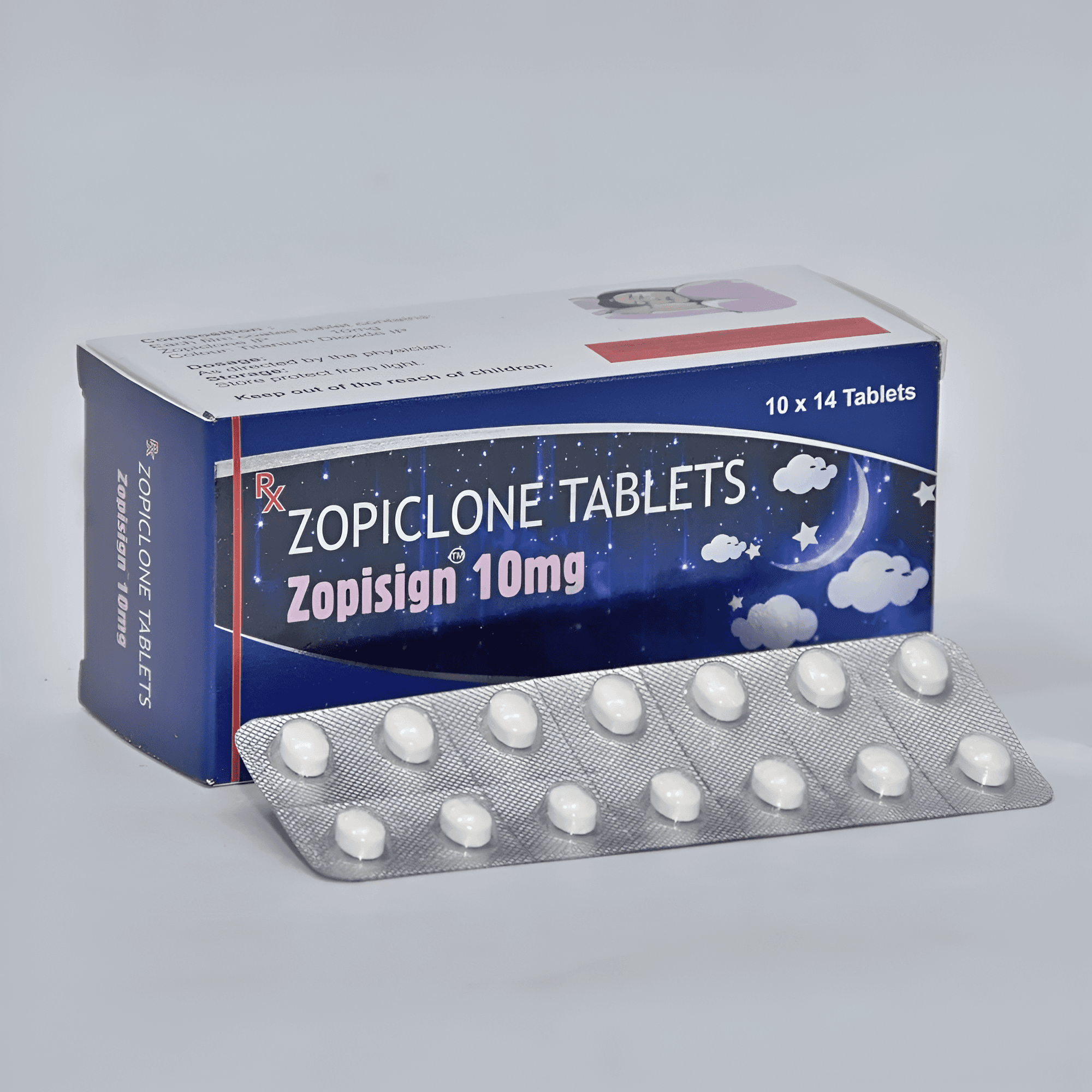
Zopiclone is a prescription medicine used for the short-term treatment of insomnia. It belongs to a group sometimes called the "Z-drugs", which work in a similar way to benzodiazepines but are chemically different. It is generally considered when sleep problems are severe, disabling, or causing significant distress, and when simpler measures have not been enough.
Zopiclone acts on the brain to promote calmness and sleep. People typically find it helps them fall asleep more quickly and wake less often during the night. It is not intended as a long-term solution to ongoing sleep difficulty.
Why courses are kept short
Doctors usually prescribe zopiclone for a brief period, often only a few days to a couple of weeks. There are good reasons for this:
- Tolerance can develop, meaning the same dose has less effect over time.
- Dependence can develop, both physical and psychological, so the body and mind come to rely on the medicine for sleep.
- Rebound insomnia can occur when the medicine is stopped, where sleep is temporarily worse than before.
Because of these risks, a short course paired with longer-term changes to sleep habits is the usual approach. Your prescriber will weigh the benefits against the risks for your situation.
Common side effects
Like all medicines, zopiclone can cause side effects. Frequently reported ones include:
- A bitter or metallic taste in the mouth
- Dry mouth
- Daytime drowsiness or a "hungover" feeling
- Dizziness or unsteadiness
Drowsiness can carry over into the next day and affect driving, operating machinery, or other tasks that need full attention. Alcohol increases sedation and should be avoided. Always read the patient information leaflet for the full list.
Who should be especially cautious
Tell your doctor or pharmacist about your full medical history before starting. Extra care is needed for:
- People with a history of alcohol or drug misuse
- Older adults, who may be more sensitive to sedation and falls
- People with breathing problems, liver problems, or certain mental health conditions
- Anyone pregnant, planning pregnancy, or breastfeeding
Zopiclone can interact with other sedating medicines, including some painkillers and antihistamines, so share a complete list of what you take.
Stopping zopiclone
If you have used zopiclone for more than a short period, do not stop suddenly without advice. Your doctor may suggest reducing the dose gradually to lower the chance of withdrawal symptoms and rebound insomnia. Withdrawal can include anxiety, restlessness, and disturbed sleep.
Building better sleep alongside medication
Medicines treat the symptom, not the cause. Lasting improvement usually comes from addressing sleep habits and any underlying issues such as stress, pain, or an irregular routine. Practical steps include keeping consistent sleep and wake times, limiting screens and caffeine in the evening, and making the bedroom dark and quiet. Our sleep hygiene tips guide covers this in more detail.
If insomnia persists, your doctor may explore other approaches, including cognitive behavioural therapy for insomnia (CBT-I), which has good evidence for long-term benefit.
Where to find more
You can browse our sleep aids range to see what is available, or visit shop all for the full catalogue. Whatever you choose, treat sleep medication as one short-term tool within a broader plan agreed with a healthcare professional.
General information only — not medical advice. Always read the patient information leaflet and consult a doctor or pharmacist before starting any medication.
Mentioned in this guide
Shop the treatments covered here
Genuine medicines from the guide above — discreetly delivered across the UK & Europe.

Related treatments
Browse the medicines and conditions related to this guide: