Free EU delivery over €110.00Ships to all 27 EU + 3 EEA countriesSealed manufacturer packs · plain packagingNow accepting Credit & Debit cards
New: pay by Credit or Debit card — we email you a secure payment link.

What is Pregabalin used for?

Summary

Pregabalin is authorised in the EU for nerve pain, add-on treatment of partial seizures in epilepsy, and generalised anxiety disorder. That is according to the EMA product information for Lyrica. It often causes drowsiness and dizziness, can cause dependence, and must not be stopped abruptly. Only take it as prescribed, and avoid alcohol.

K4Written by Kam4eu Editorial TeamPublished · Updated

Last reviewed 10 June 2026 by the Kam4eu editorial team · Next review August 2027

Educational information only — not medical advice. We ask every customer to get a valid prescription from a doctor before ordering any medicine we list; always consult a qualified healthcare professional before use. See our medical disclaimer and editorial policy.

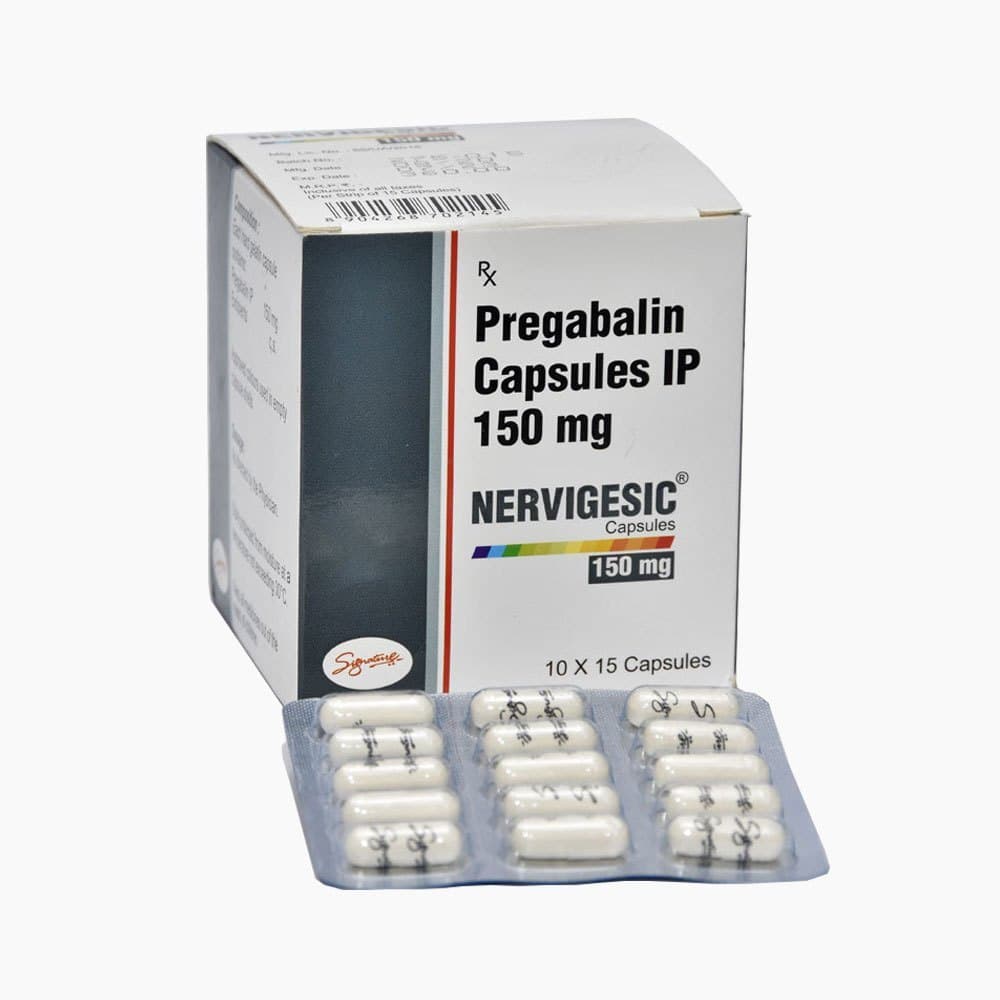
Pregabalin is a medicine sold under brand names like Pregagesic, Nervigesic, Neuro Seliron and Pregacare. In the EU it is authorised for three conditions, according to the EMA product information for the reference medicine, Lyrica.

What it treats

  • Neuropathic (nerve) pain — peripheral and central neuropathic pain in adults, for example diabetic neuropathy or post-herpetic neuralgia.
  • Partial seizures — as an add-on epilepsy treatment in adults.
  • Generalised anxiety disorder (GAD) — in adults.

Fibromyalgia is not among pregabalin's EU-authorised uses.

Common strengths

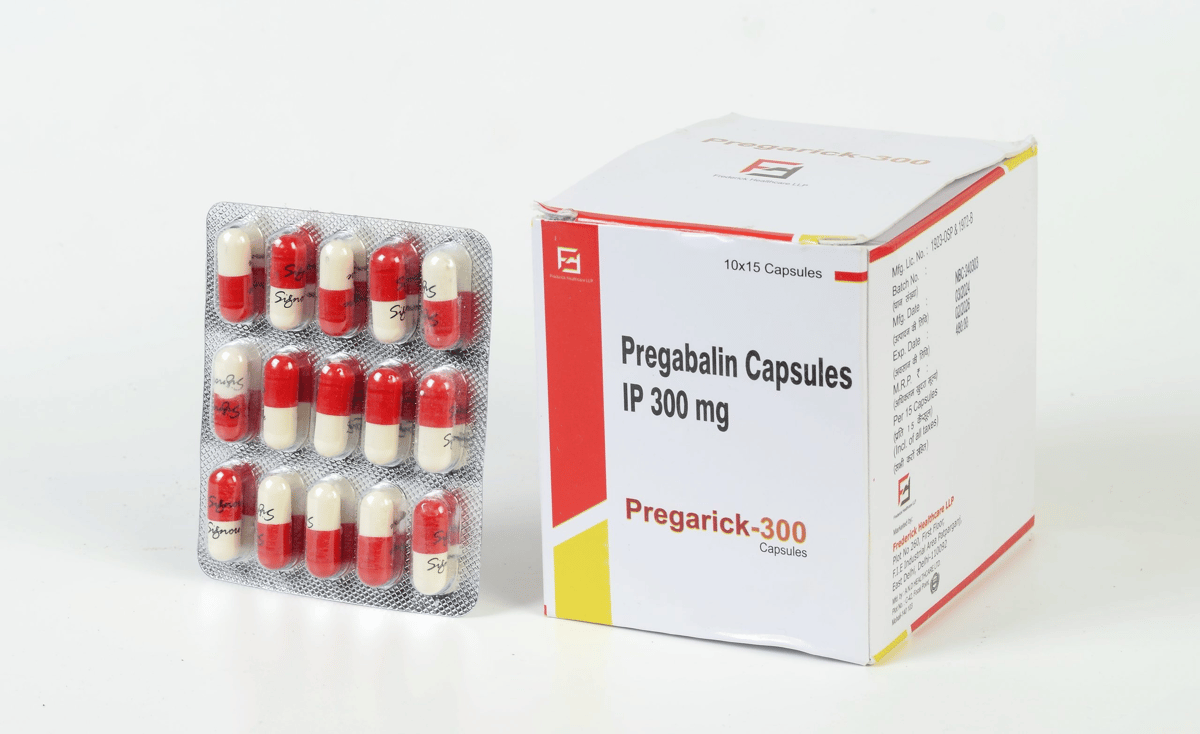
  • 150 mg and 300 mg capsules are the most common; some high-strength 450 mg options exist.
  • Doses are usually built up gradually and should always follow a doctor's instructions.

Important safety notes

  • Pregabalin can cause drowsiness and dizziness, especially at the start.
  • It should not be stopped abruptly — the dose is normally reduced gradually under medical supervision.
  • It has potential for dependence and is a controlled medicine in many countries — only use as prescribed.
  • Avoid alcohol; discuss other medicines with your doctor.

Browse our Pregabalin range with discreet European delivery, free over €110.

General information only — not medical advice. Pregabalin should be taken under the guidance of a doctor.

Official sources & further reading

  1. EMA — Lyrica (pregabalin): product information

Treatment options

Treatments discussed in this guide

Speak to a doctor and get a valid prescription before ordering. Discreet delivery across the EU & EEA.

Free delivery over €110 Genuine, sealed blisters
Shop all products

Learn more about these medicines and conditions:

Related guides

  • Neuropathic vs Nociceptive Pain: Understanding the Difference

    Summary: Nociceptive pain comes from tissue damage, such as a sprain or burn, feels aching or throbbing, and usually responds to simple painkillers. Paracetamol or anti-inflammatories are typical. Neuropathic pain comes from damaged or misfiring nerves, feels burning, shooting or electric, and often needs nerve-calming medicines such as pregabalin or certain antidepressants. Many conditions involve both.

  • Pregabalin vs Gabapentin: How These Nerve-Pain Medicines Differ

    Summary: Pregabalin and gabapentin are related nerve-pain medicines that calm overactive nerve signalling. Pregabalin is absorbed more predictably, while gabapentin's absorption varies more, so they are dosed differently and are not interchangeable like for like. Both can cause drowsiness and dependence, are controlled in many European countries, and must never be stopped abruptly.

  • Pregabalin for Anxiety: How It Works and What to Consider

    Summary: Pregabalin is authorised in the EU for generalised anxiety disorder, as well as nerve pain and epilepsy. That is according to the EMA product information for Lyrica. It calms overactive nerve signalling and is usually considered alongside or after talking therapies. It is a controlled medicine with a risk of dependence, and it must never be stopped suddenly.

  • Carpal Tunnel Syndrome: Causes, Symptoms and Relief

    Summary: Carpal tunnel syndrome is pressure on the median nerve in the wrist, causing tingling, numbness and pain in the fingers. It affects the thumb, index and middle fingers, is often worse at night, and sometimes weakens grip. Repetitive wrist movements, pregnancy, diabetes and arthritis raise the risk. Wrist splints, activity changes, steroid injections or surgery help.

All health guides

See also

Order on WhatsAppOrder on Telegram