

Premature Ejaculation: Causes, Triggers and What Can Help
Summary
Premature ejaculation is very common and has both psychological and physical causes. Psychological ones include anxiety, rushed early sexual habits, relationship problems and depression; physical ones include hormone imbalances, prostate inflammation and erectile dysfunction. Lifelong and acquired forms often differ, so a clinician can help choose between behavioural techniques, counselling and medicines such as dapoxetine.
Last reviewed 21 June 2026 by the Kam4eu editorial team · Next review August 2027
What is premature ejaculation?
Premature ejaculation (PE) is when ejaculation happens sooner than a man or his partner would like, often within a very short time of penetration and with little control. It is extremely common and can happen to men of any age. Occasional episodes are normal, but when it is persistent and causes distress, it is worth understanding and addressing.
Our overview of premature ejaculation gives a fuller picture; this guide focuses on causes and triggers.
Lifelong versus acquired PE
Doctors often distinguish two patterns:
- Lifelong (primary) PE — present from a man's first sexual experiences.
- Acquired (secondary) PE — develops later after a period of normal control.
The likely causes, and the most useful approaches, can differ between the two, which is one reason a conversation with a clinician helps.
Psychological causes and triggers
The mind plays a large role in ejaculatory control. Common contributors include:
- Anxiety — including performance anxiety and general stress.
- Early sexual experiences — habits of rushing formed in the past.
- Relationship issues — tension or unresolved conflict.
- Depression or low mood.
- Excitement and infrequent sex — long gaps can make control harder.
Physical and biological causes
PE is not only psychological. Physical factors can include:
- Hormonal imbalances.
- Inflammation or infection of the prostate or urethra.
- Abnormal levels of brain chemicals such as serotonin, which influence the timing of ejaculation.
- Erectile dysfunction — some men rush because they are anxious about losing an erection, so the two problems can overlap.
- Thyroid problems.
Because of this overlap, a doctor may ask about erections as well as ejaculation.
Self-help techniques
Several behavioural techniques can improve control over time:
- The stop-start method — pausing stimulation when close to climax, then resuming.
- The squeeze technique — gently squeezing the end of the penis to reduce arousal.
- Pelvic floor exercises — strengthening these muscles may help some men.
- Reducing anxiety — relaxation, communication with your partner and shifting the focus away from performance.
These take practice and patience, and they are most effective when a partner is involved supportively.
Medical treatments
Where self-help is not enough, several options exist and a doctor can advise on suitability:
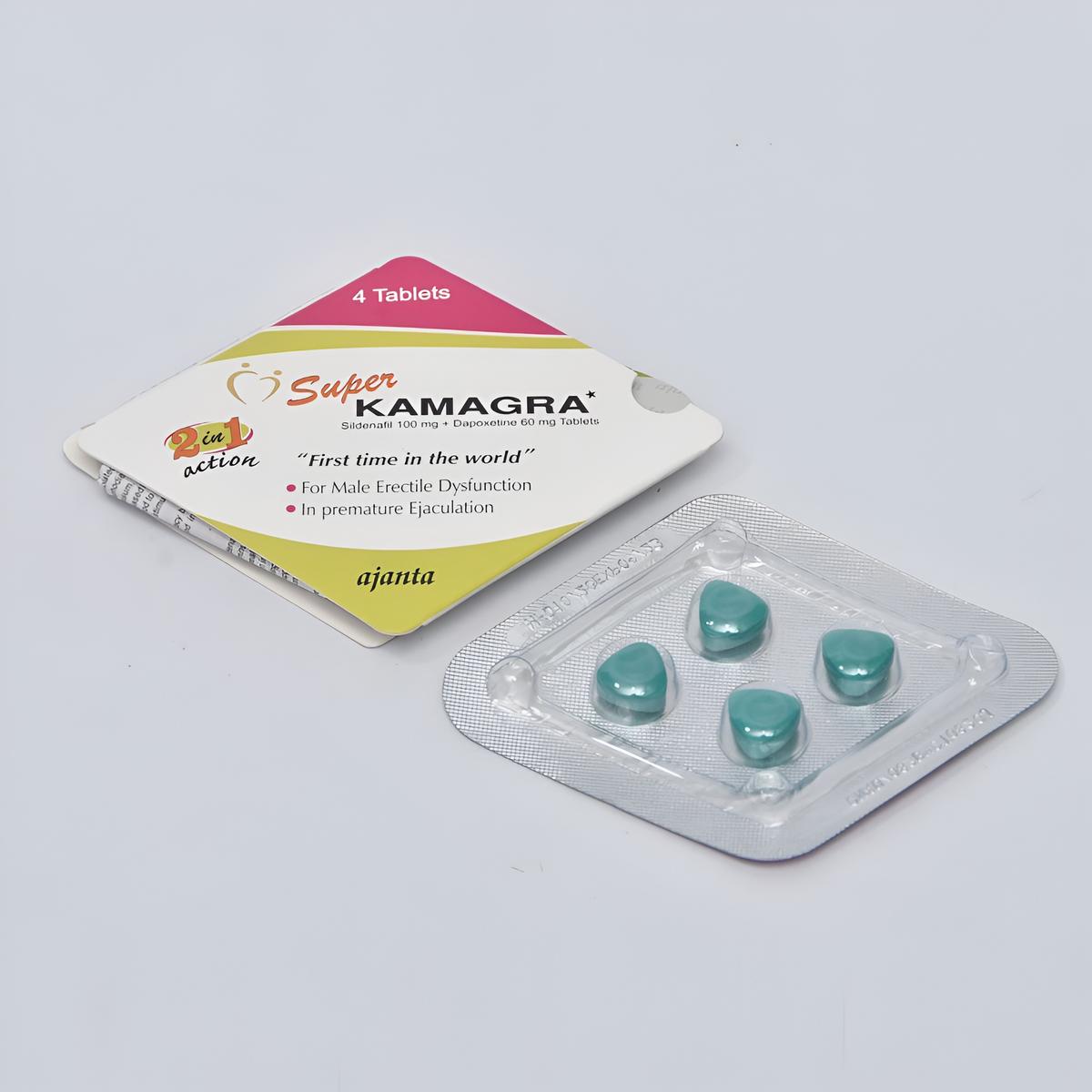
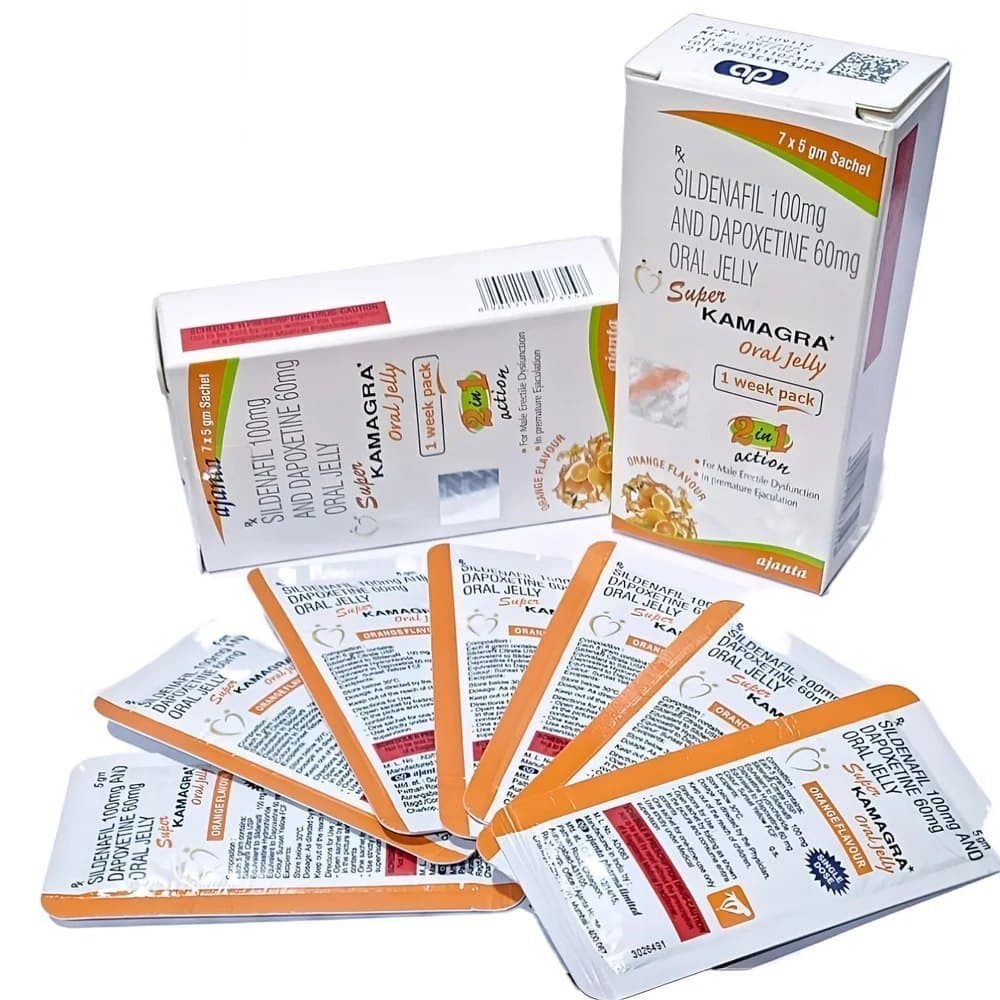
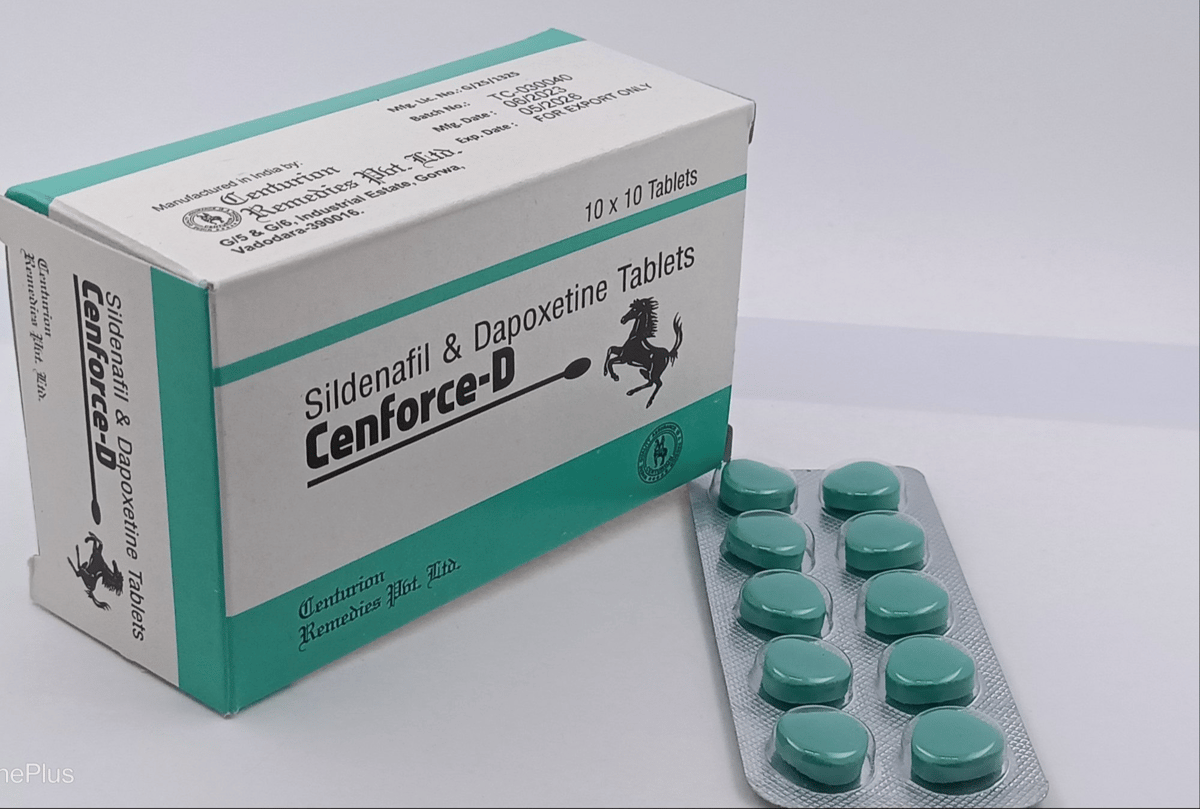
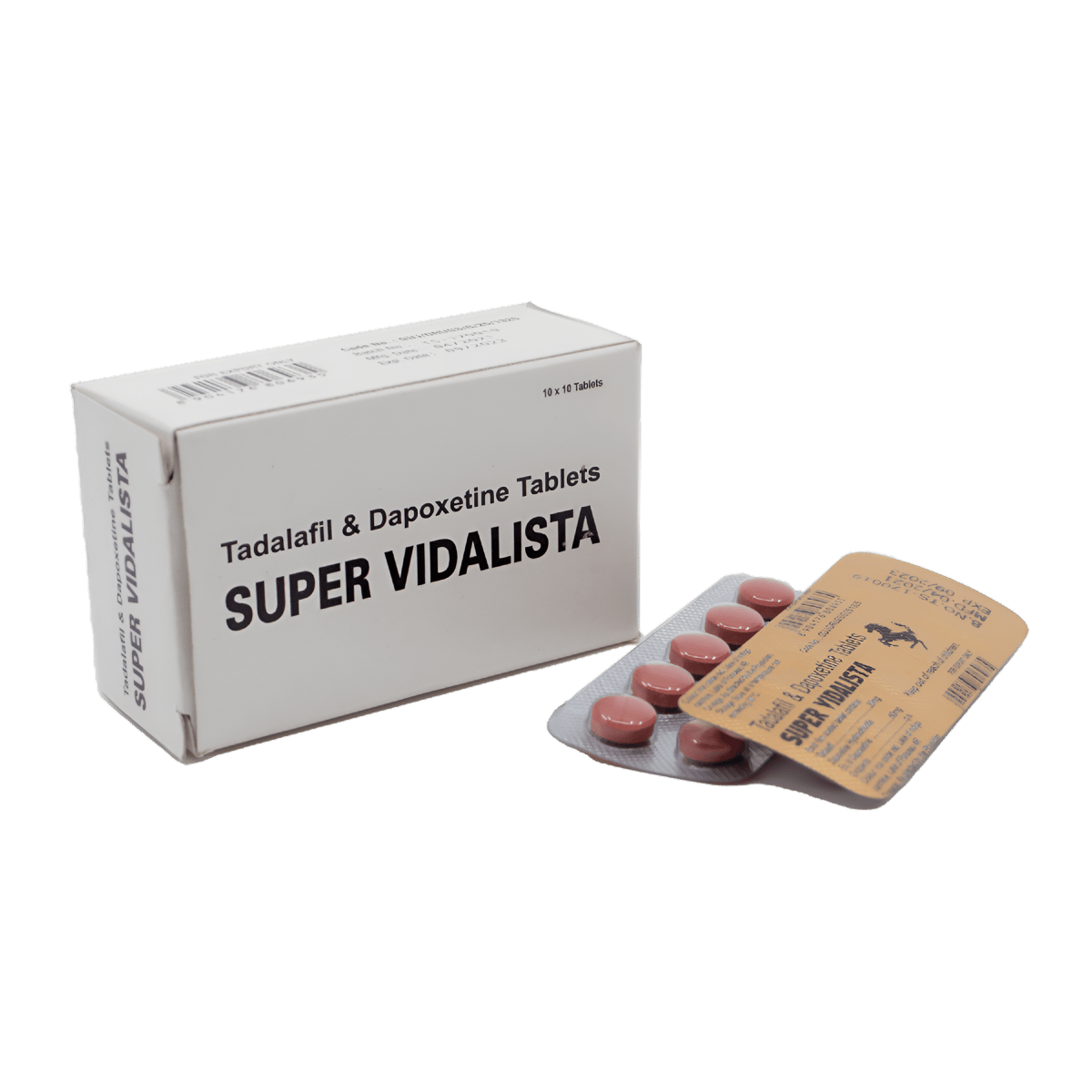
- Dapoxetine — a medicine specifically developed to be taken before sex to help delay ejaculation. It is a prescription medicine and not suitable for everyone, so a doctor or pharmacist should assess you first.
- Topical numbing products — creams or sprays that slightly reduce sensitivity.
- Treating an underlying cause — such as managing anxiety, a prostate problem or co-existing erectile dysfunction.
Always read the patient information leaflet for any medicine and follow professional advice. You can browse what is available via shop all, but a discussion with a clinician should come first.
When to see a doctor
Consider seeking help if PE is persistent, causes you or your partner distress, or appears alongside erectile difficulties or other symptoms. There is no need to feel embarrassed — it is a common, well-recognised and treatable concern.
The takeaway
Premature ejaculation has both psychological and physical causes, and often a mix of the two. Behavioural techniques, addressing anxiety, and where appropriate medicines such as dapoxetine can all help. Speaking to a doctor or pharmacist is the best first step.
General information only — not medical advice. Always read the patient information leaflet and consult a doctor or pharmacist before starting any medication.
Frequently asked questions
What causes premature ejaculation?+
It usually involves a mix of psychological factors such as anxiety and physical factors such as brain chemical levels or inflammation. The pattern can differ between lifelong and acquired premature ejaculation.
Can premature ejaculation be cured with techniques alone?+
Behavioural techniques like the stop-start and squeeze methods help many men improve control, especially with practice and a supportive partner. Some men also benefit from medical treatment alongside these techniques.
What is dapoxetine used for?+
Dapoxetine is a prescription medicine developed to be taken before sex to help delay ejaculation. It is not suitable for everyone, so a doctor or pharmacist should assess you and you should read the leaflet first.
Is premature ejaculation linked to erectile dysfunction?+
They can overlap. Some men ejaculate quickly because they are anxious about losing an erection, so a doctor may ask about both when working out the best approach.
Official sources & further reading
Treatment options
Treatments discussed in this guide
Speak to a doctor and get a valid prescription before ordering. Discreet delivery across the EU & EEA.
Learn more about these medicines and conditions: